Art Nouveau Floor Coverings: Insights from Budapest Workshops
Art Nouveau Floor Coverings: Insights from Budapest Workshops
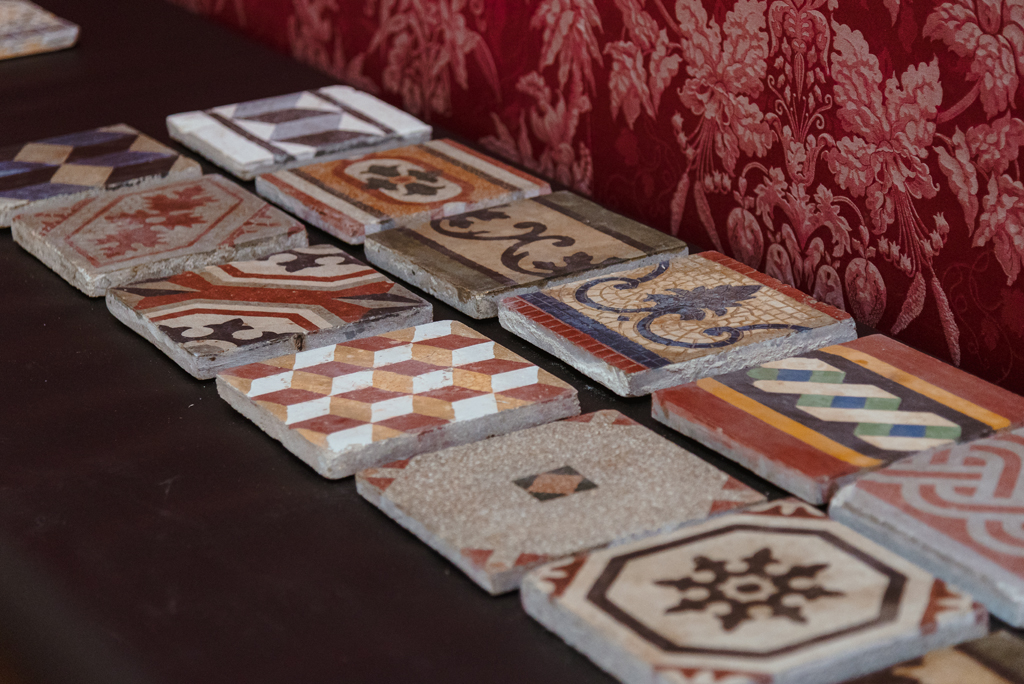
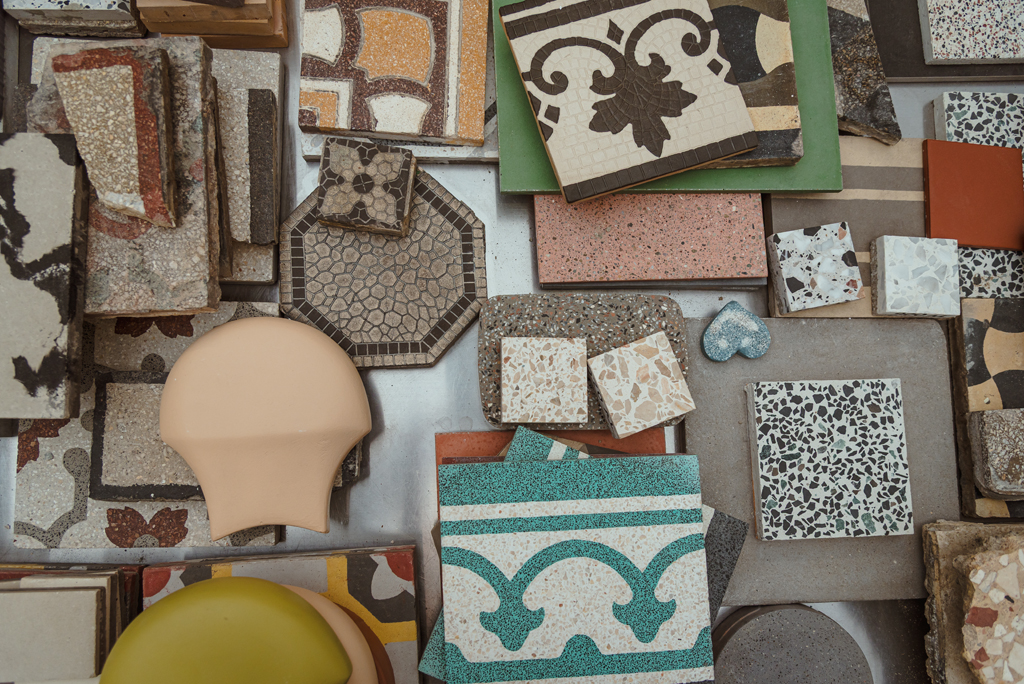
In February 2026, the Museum of Applied Arts in Budapest organized two professional events dedicated to architectural coverings widely used in buildings of the late nineteenth and early twentieth centuries, with a particular focus on cementtiles, terrazzo, and metlachi tiles.
These workshops were held within the framework of the European Union project Art Nouveau as a New EUtopia (2024–2027), coordinated by the Réseau Art Nouveau Network (RANN), highlighting the broader European effort to preserve and promote Art Nouveau heritage.
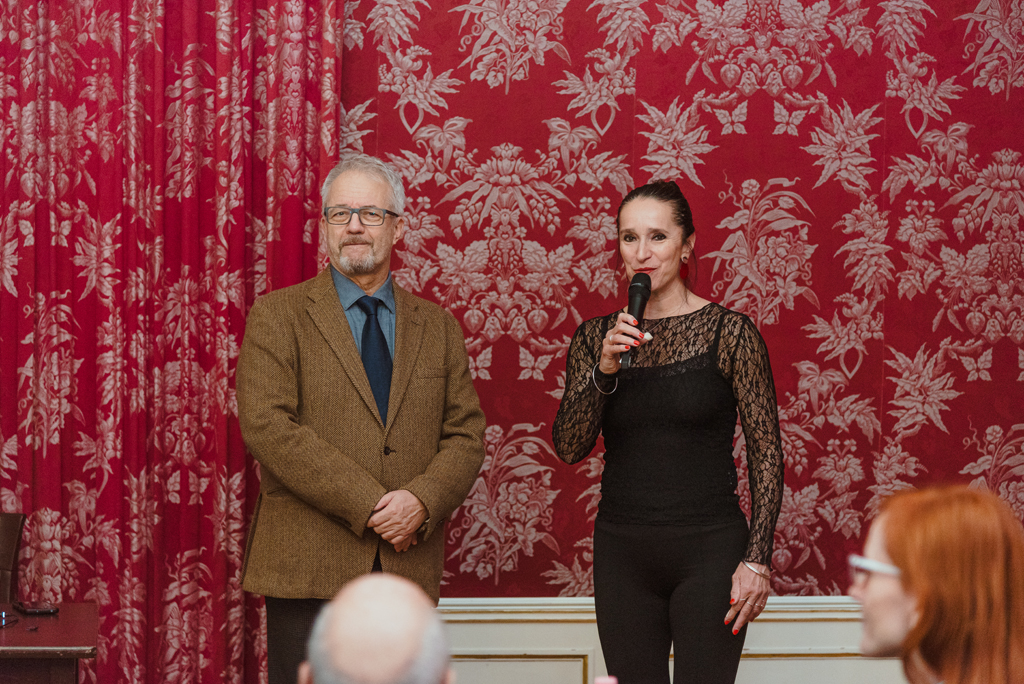
Both workshops were moderated by Dr. Júlia Katona, art historian, curator, and Head of the Scientific Research Office of the Museum of Applied Arts, who also serves as project leader within the European project Art Nouveau as a New EUtopia.
The first workshop took place on 19 February 2026 at the Petőfi Literature Museum in Budapest.
It focused primarily on the historical background and conservation issues related to traditional floor coverings. The program provided an interdisciplinary overview of cement tiles and related materials, bringing together historical research, restoration practice, and contemporary design perspectives.
Participants, including property owners, heritage conservation professionals, architects, and craftsmen discussed the cultural and architectural value of historic floor coverings, their production techniques, and the challenges related to their preservation.
The discussions also addressed the concept of the Art Nouveau building as a Gesamtkunstwerk, emphasizing the importance of preserving original materials as part of the architectural and artistic unity of historic buildings.
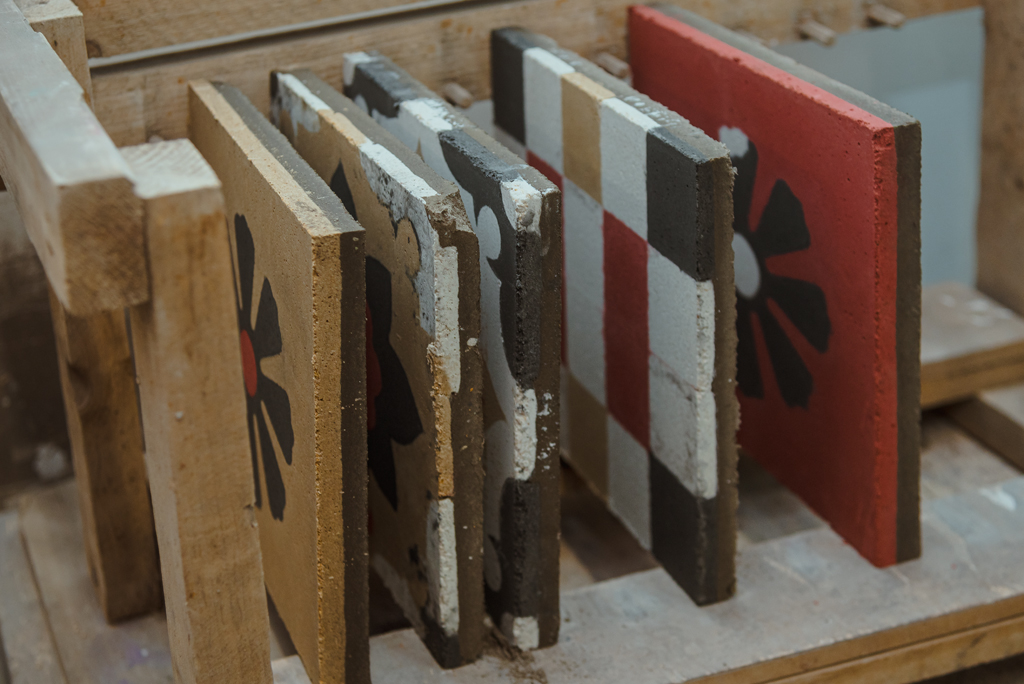
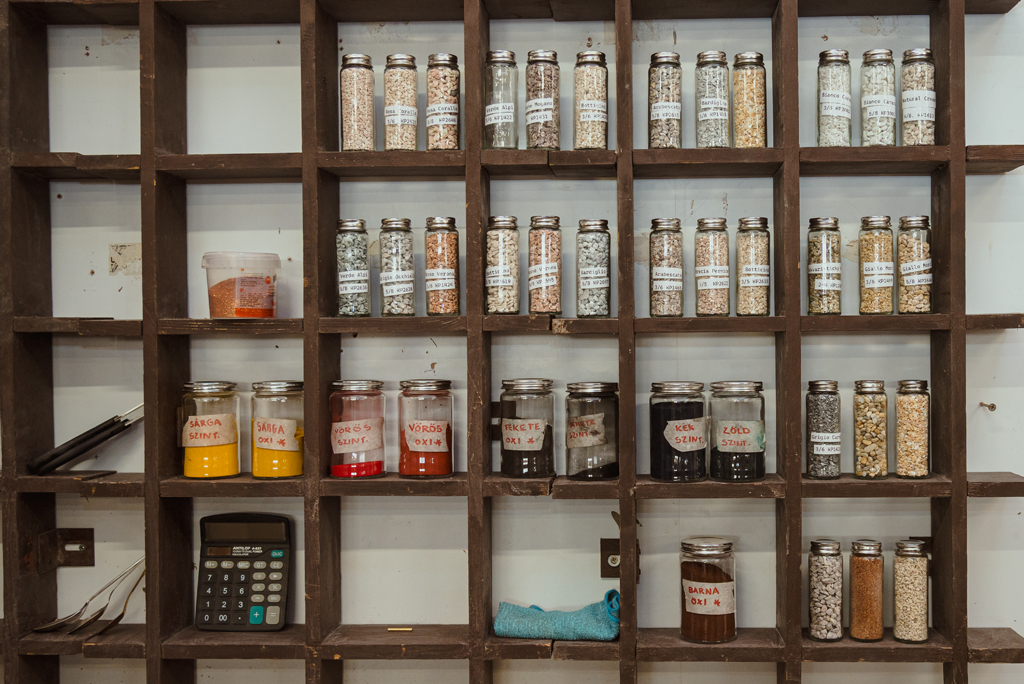
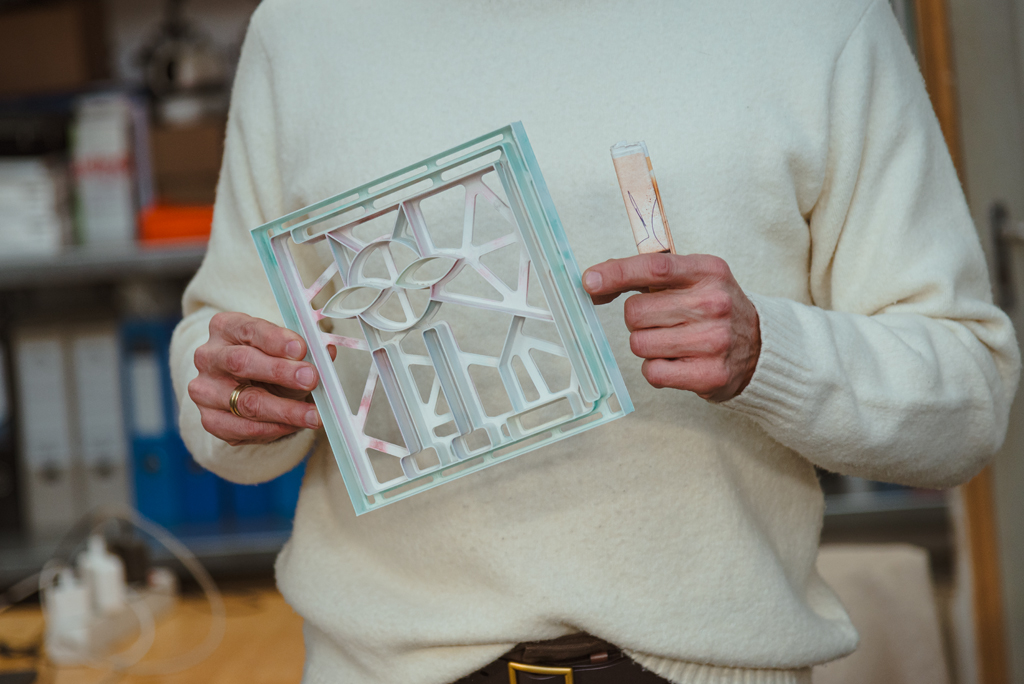
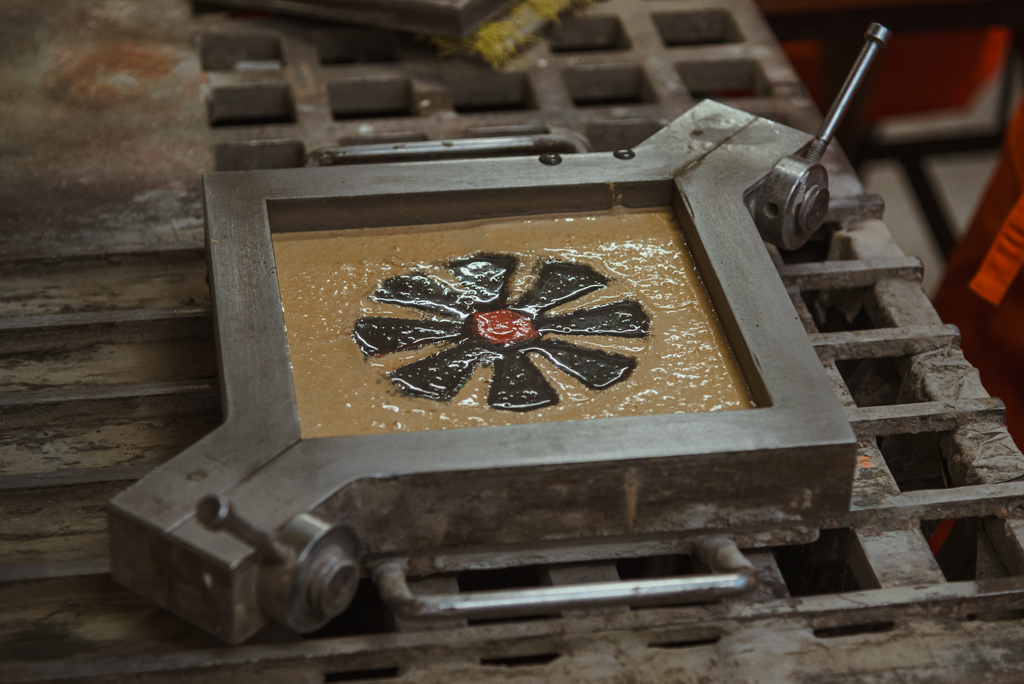
The second workshop, held on 26 February 2026 at the Iamart Cement Tile and Terrazzo Manufactory in Csepel, Budapest, provided a more practice-oriented perspective. Hosted directly in the manufactory, the event allowed participants to observe the production process in an authentic industrial environment.
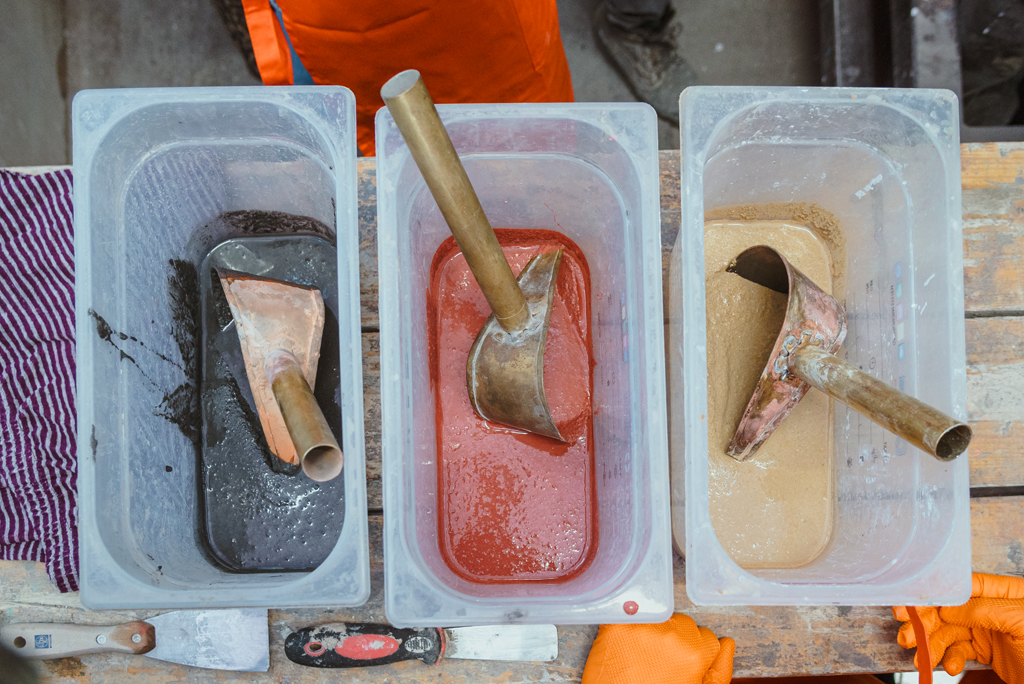
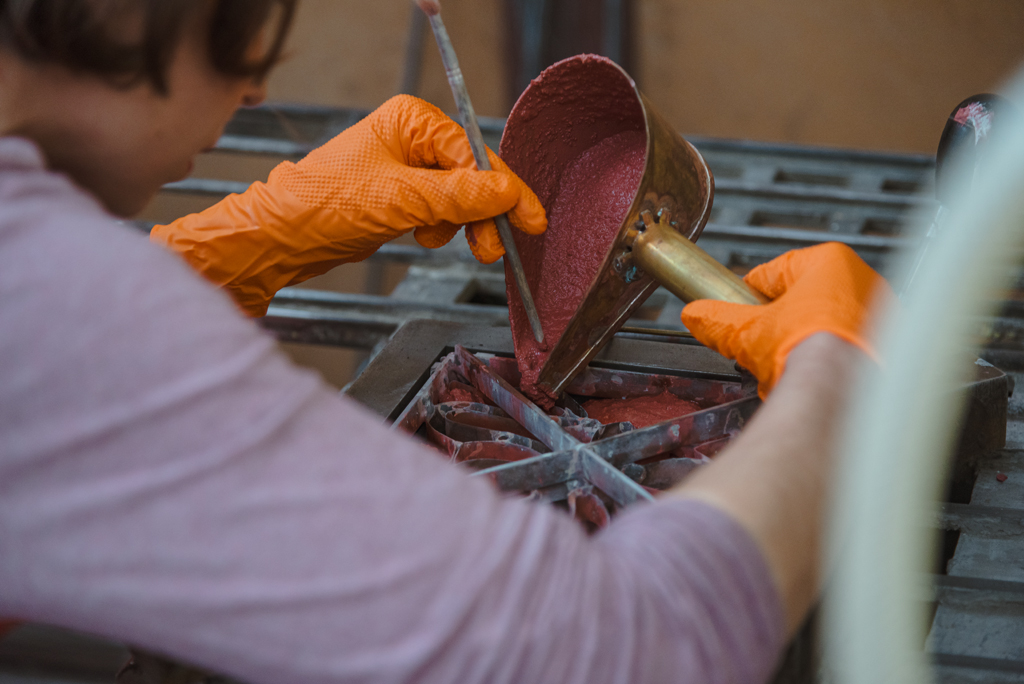
The program included an introduction to the history and activities of the manufactory, presentations on restoration projects and the revival of historical tile collections, as well as a practical demonstration of cement tile production.
Participants also had the opportunity to experiment with cement tile casting themselves, gaining direct insight into the material, techniques, and craftsmanship involved.
Together, the two workshops offered both theoretical and practical perspectives on historic architectural coverings. The program contributed to raising awareness of the cultural value and preservation of traditional building materials associated with the Art Nouveau period, while also promoting the continued practice of traditional craftsmanship.