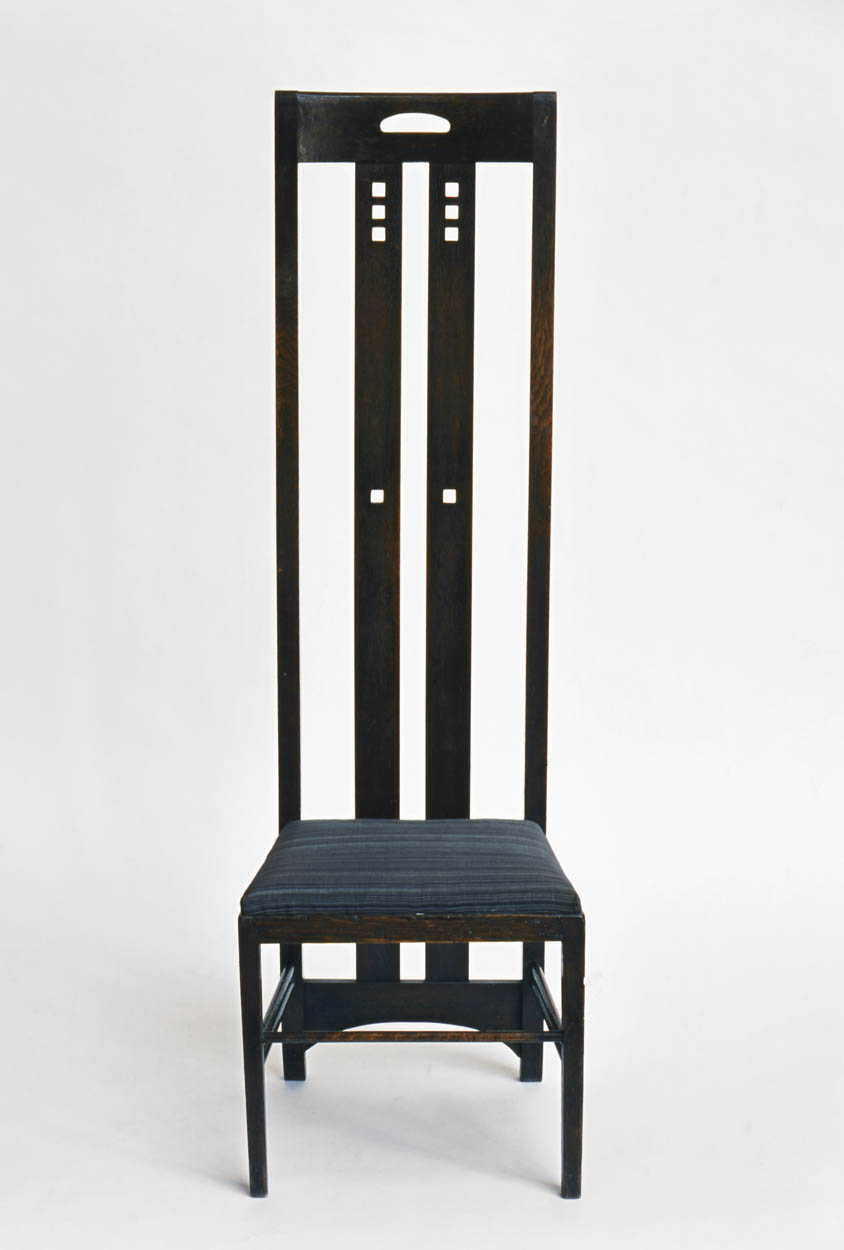
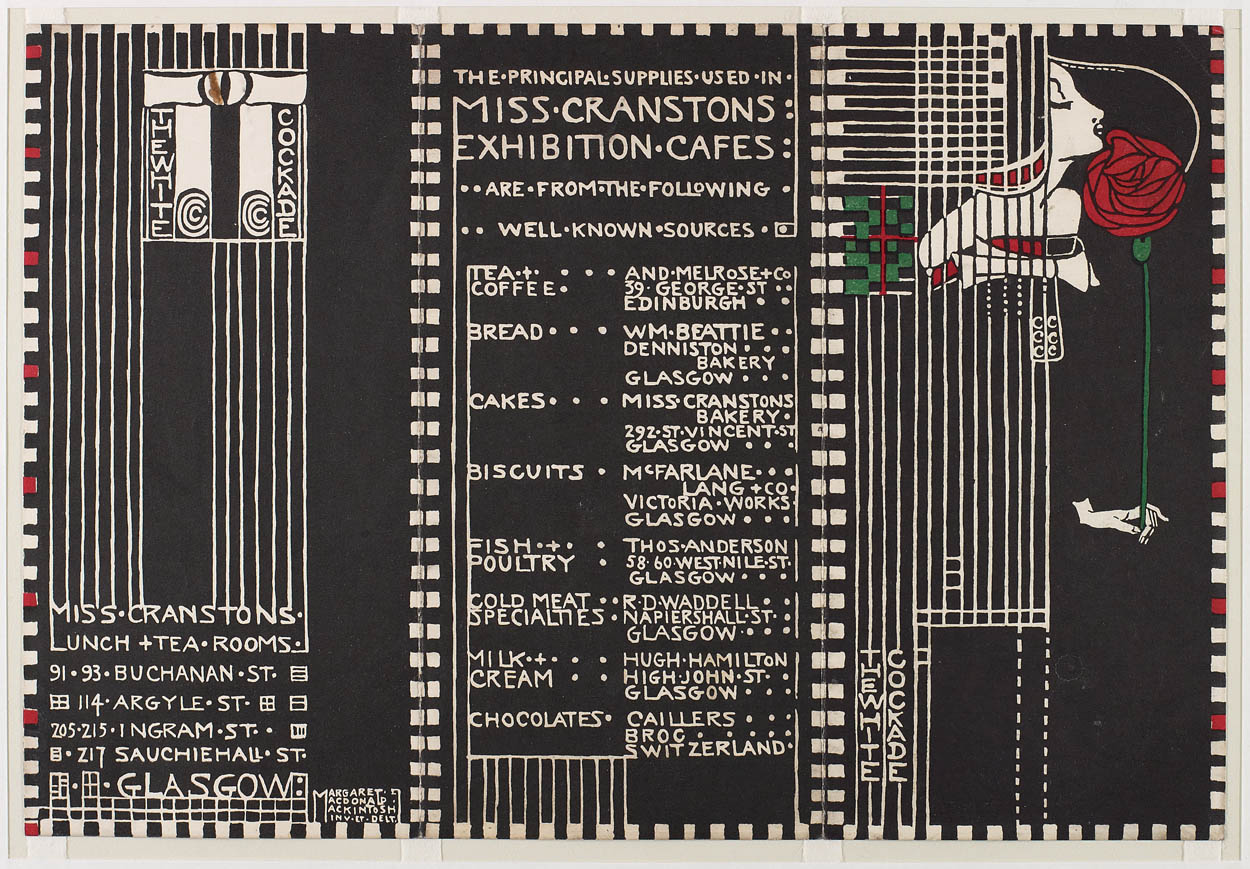
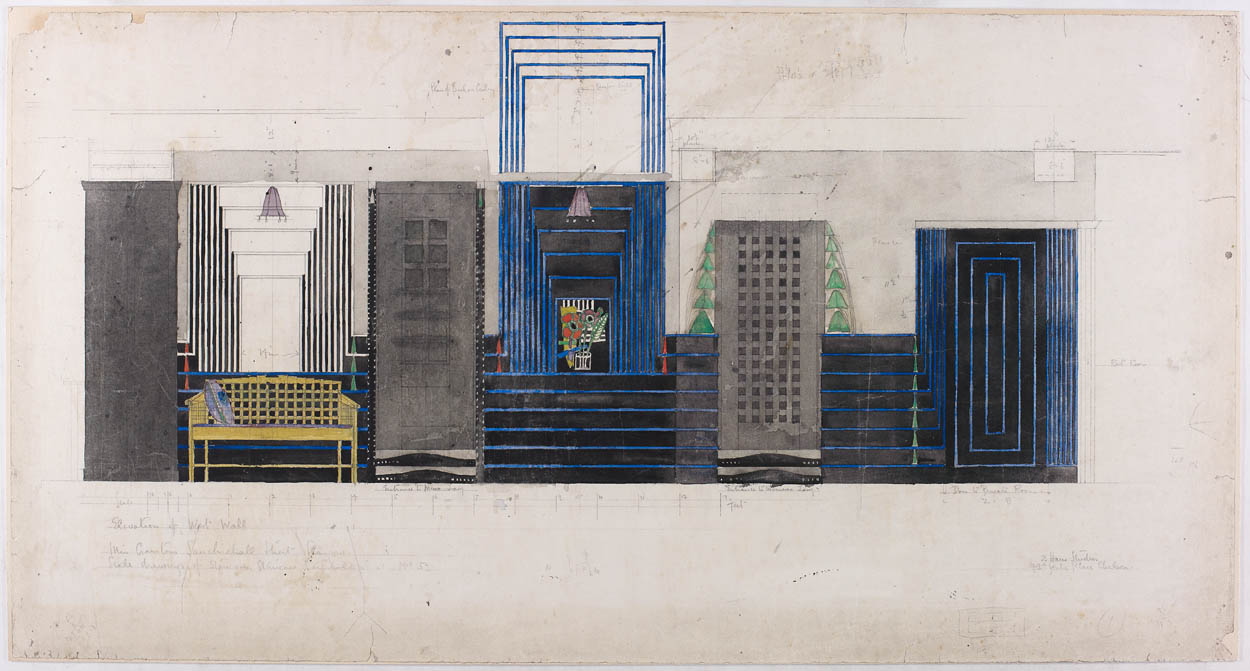
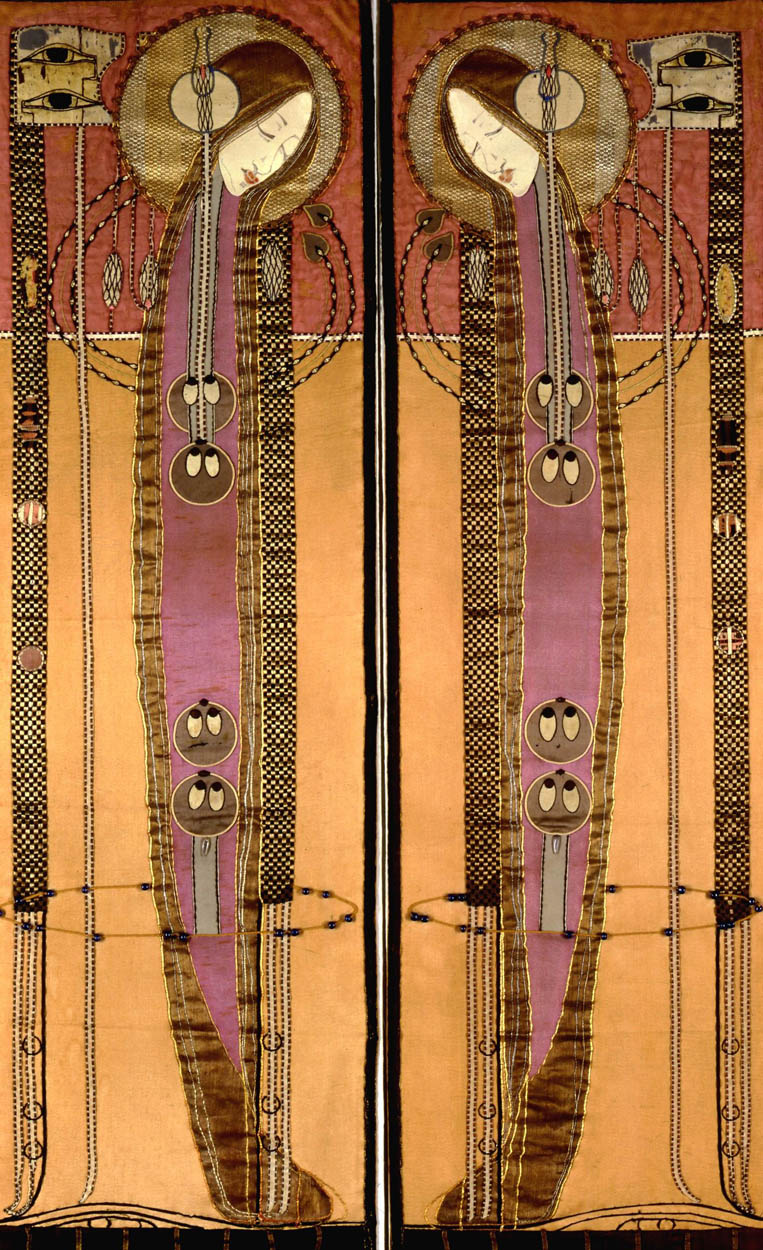
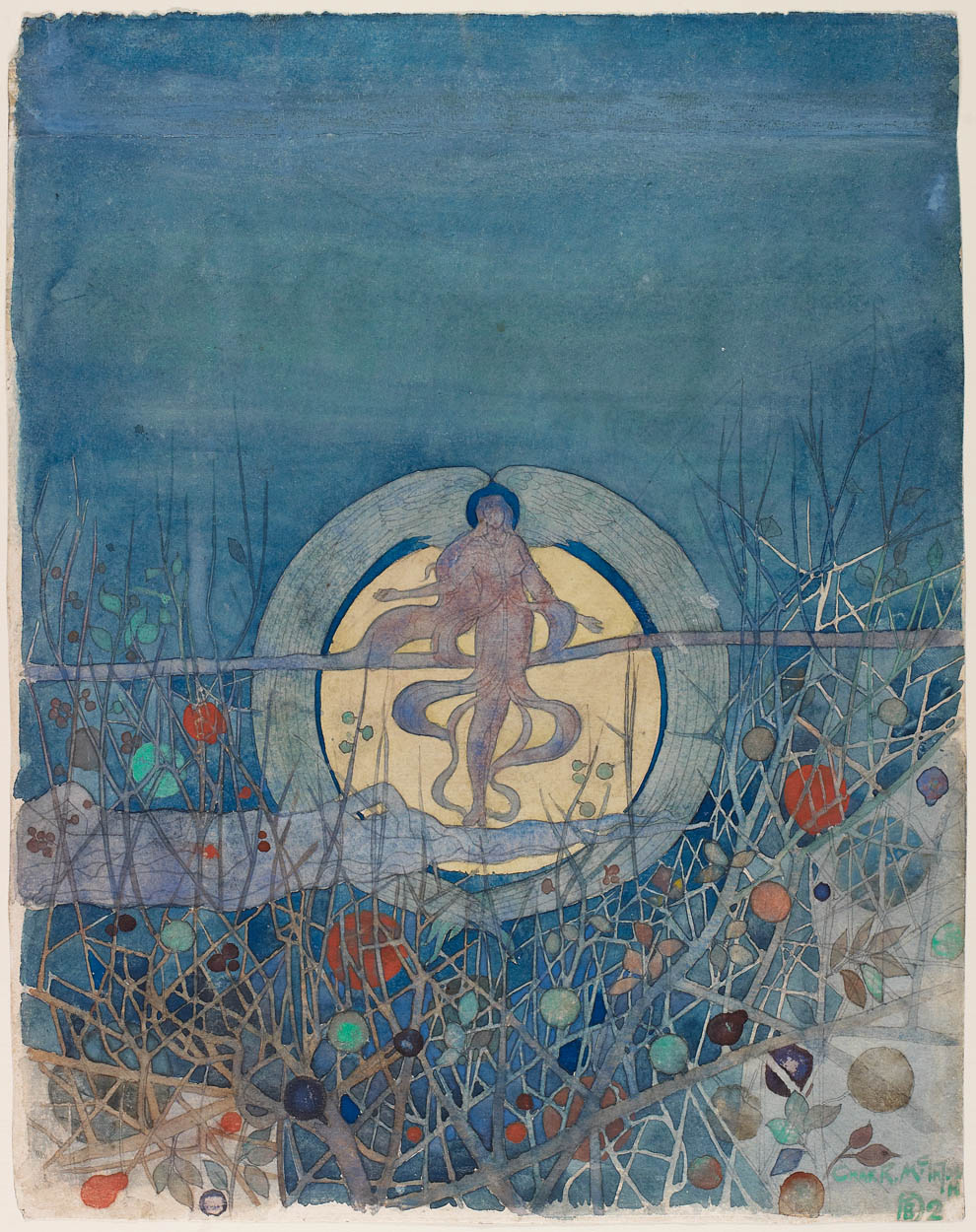
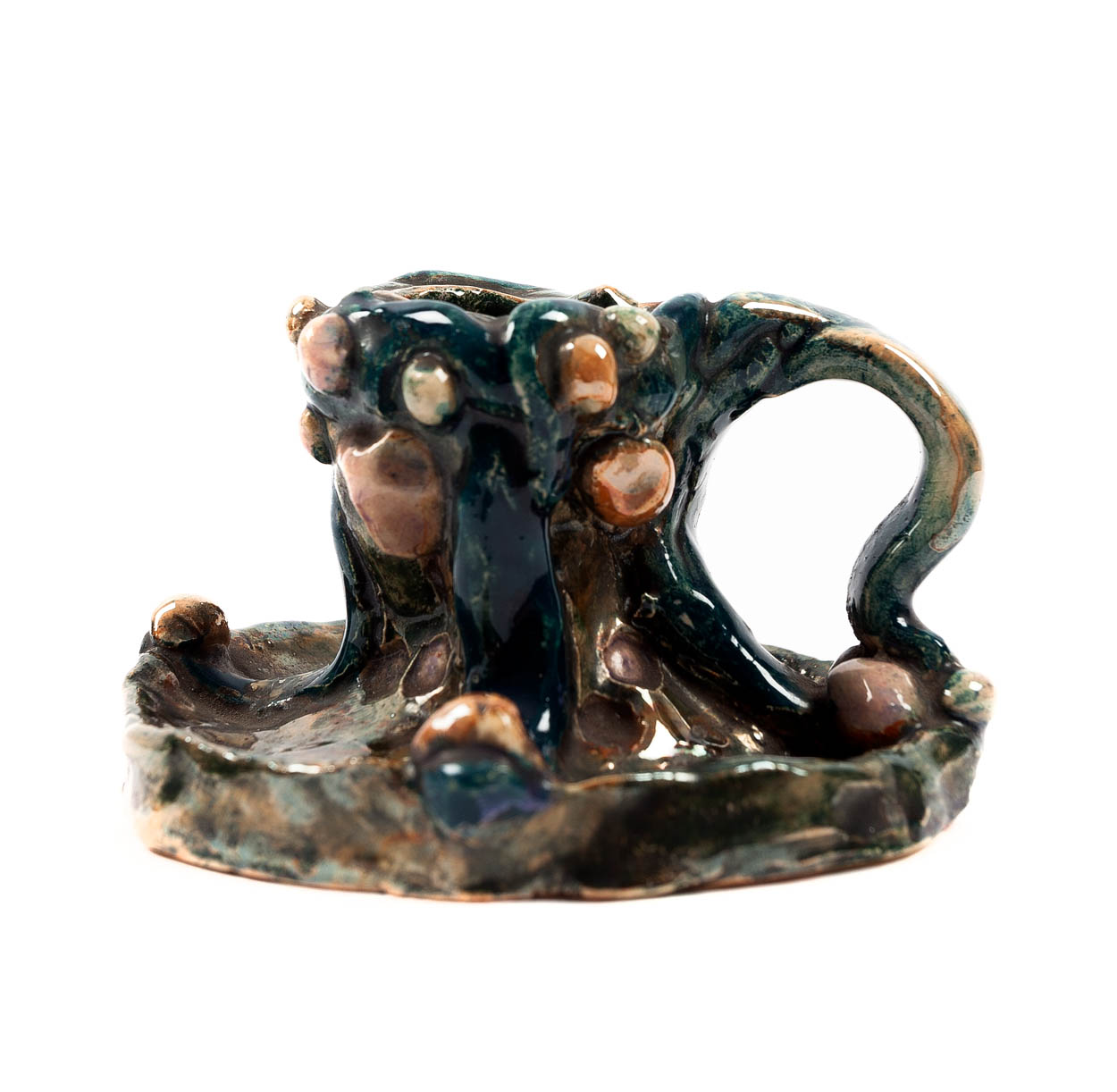
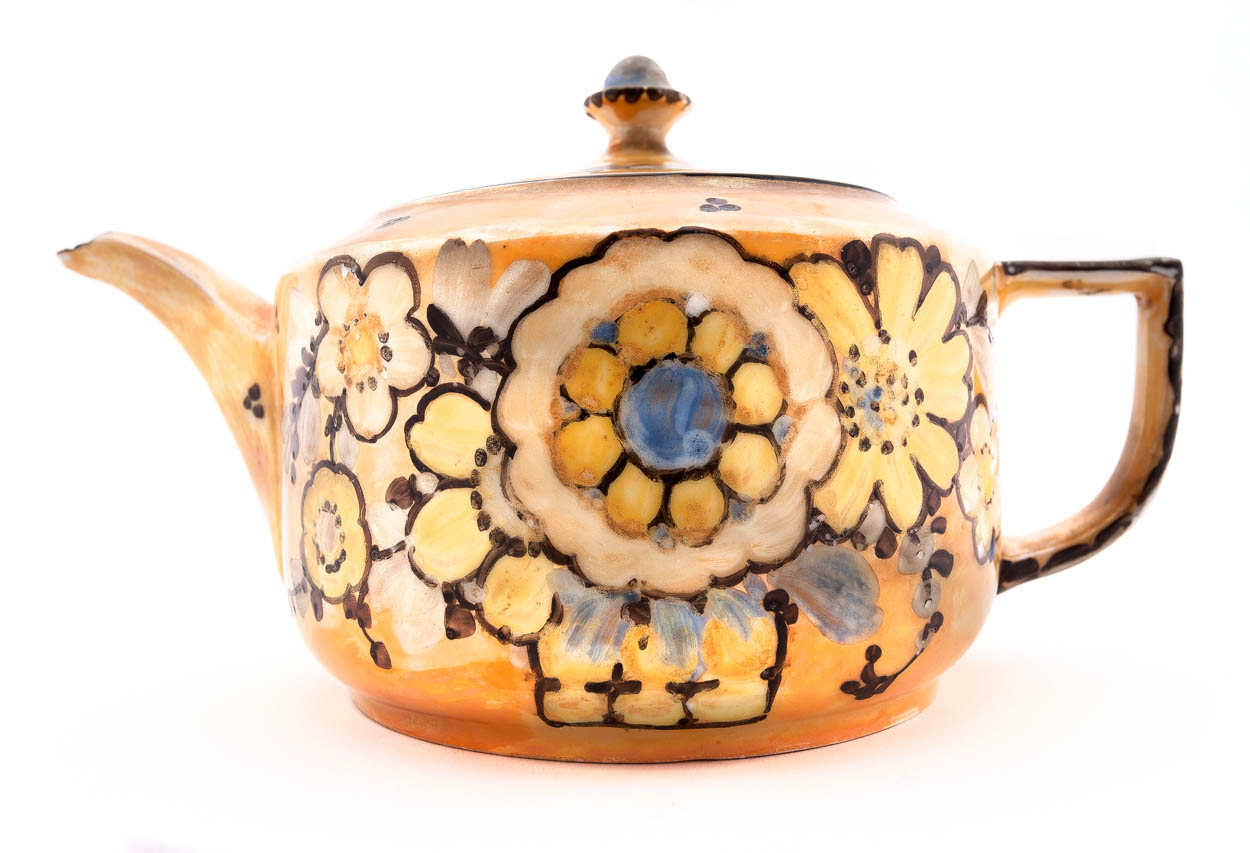
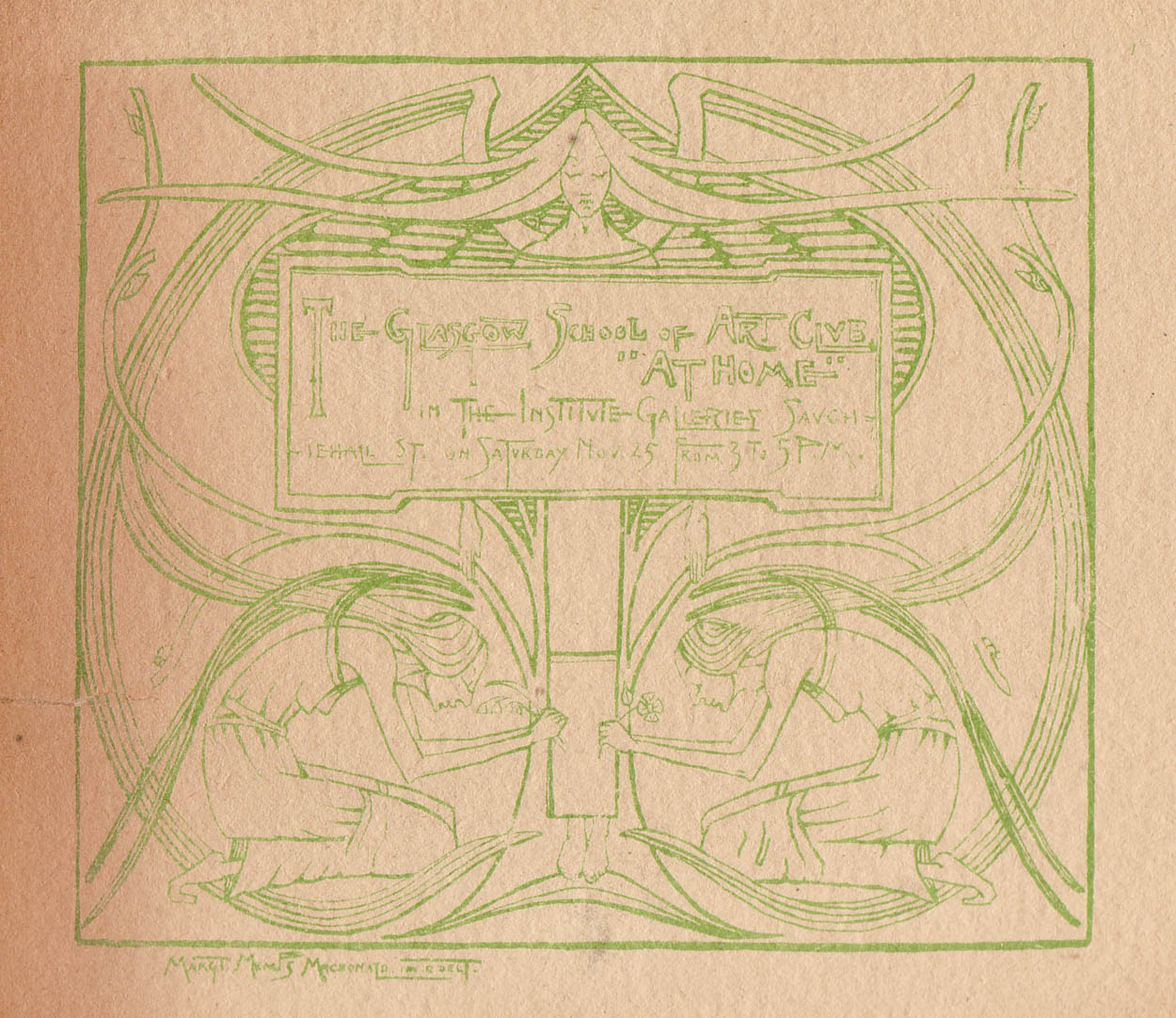
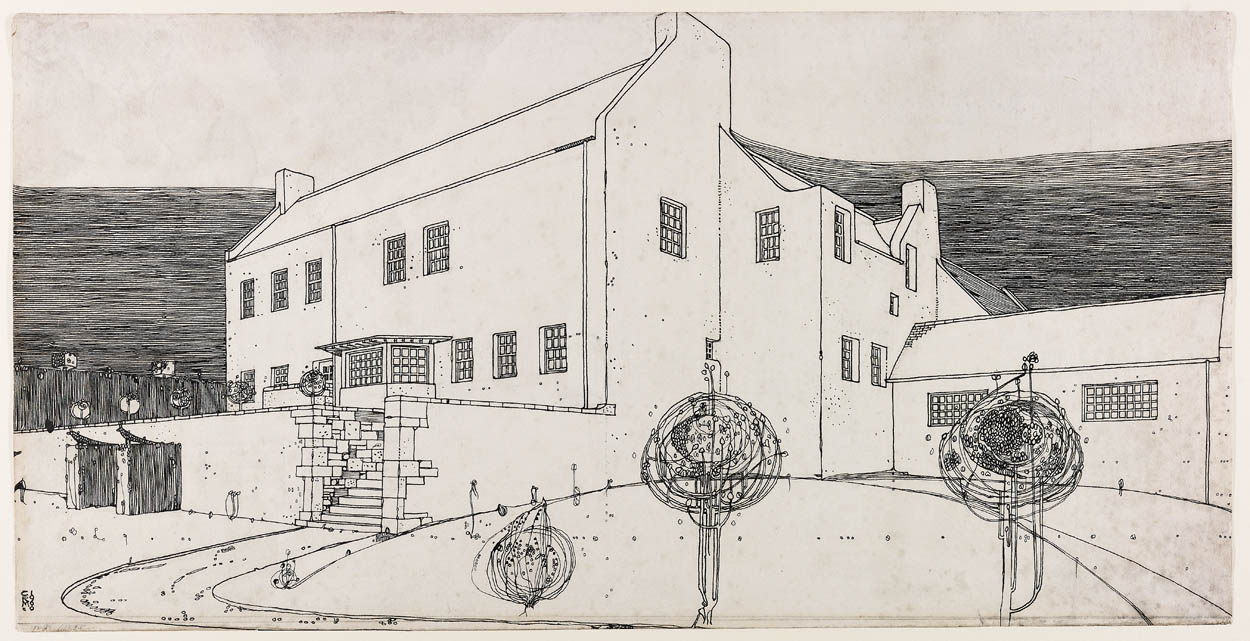
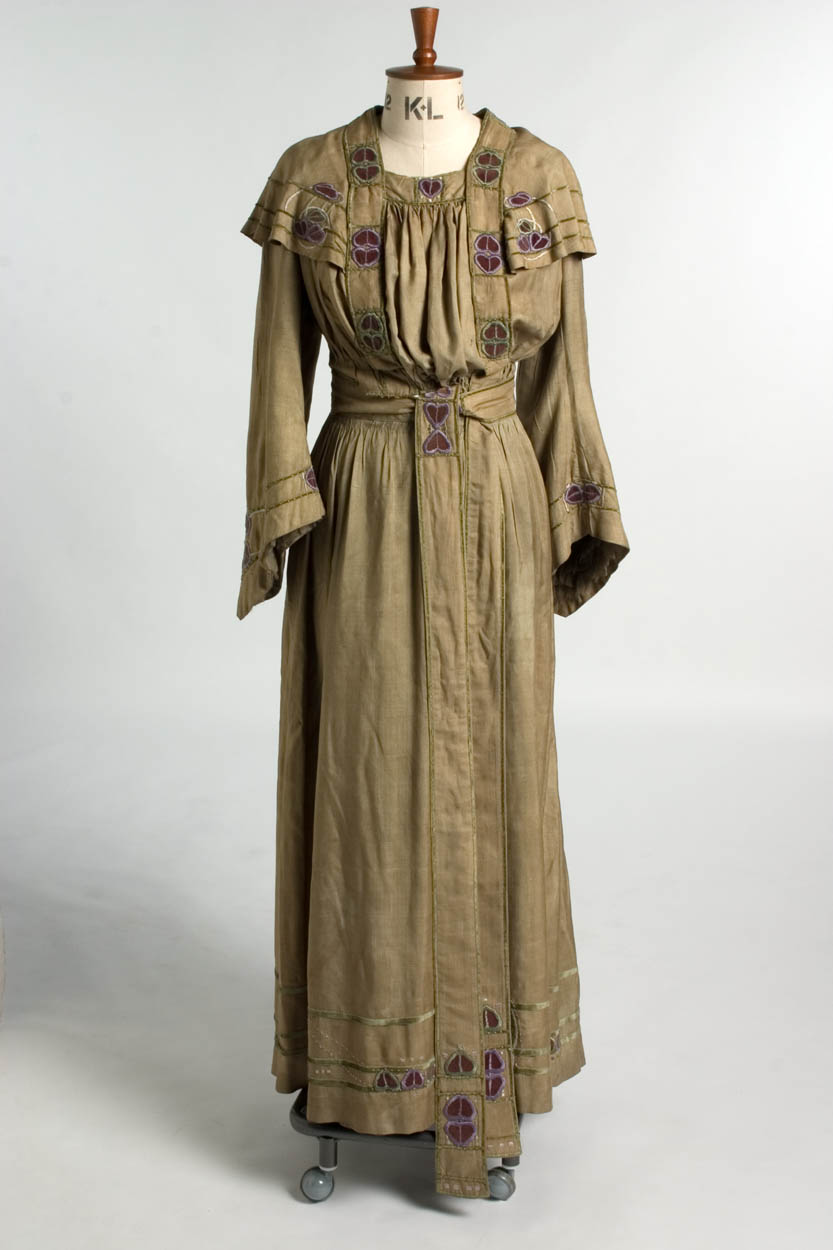
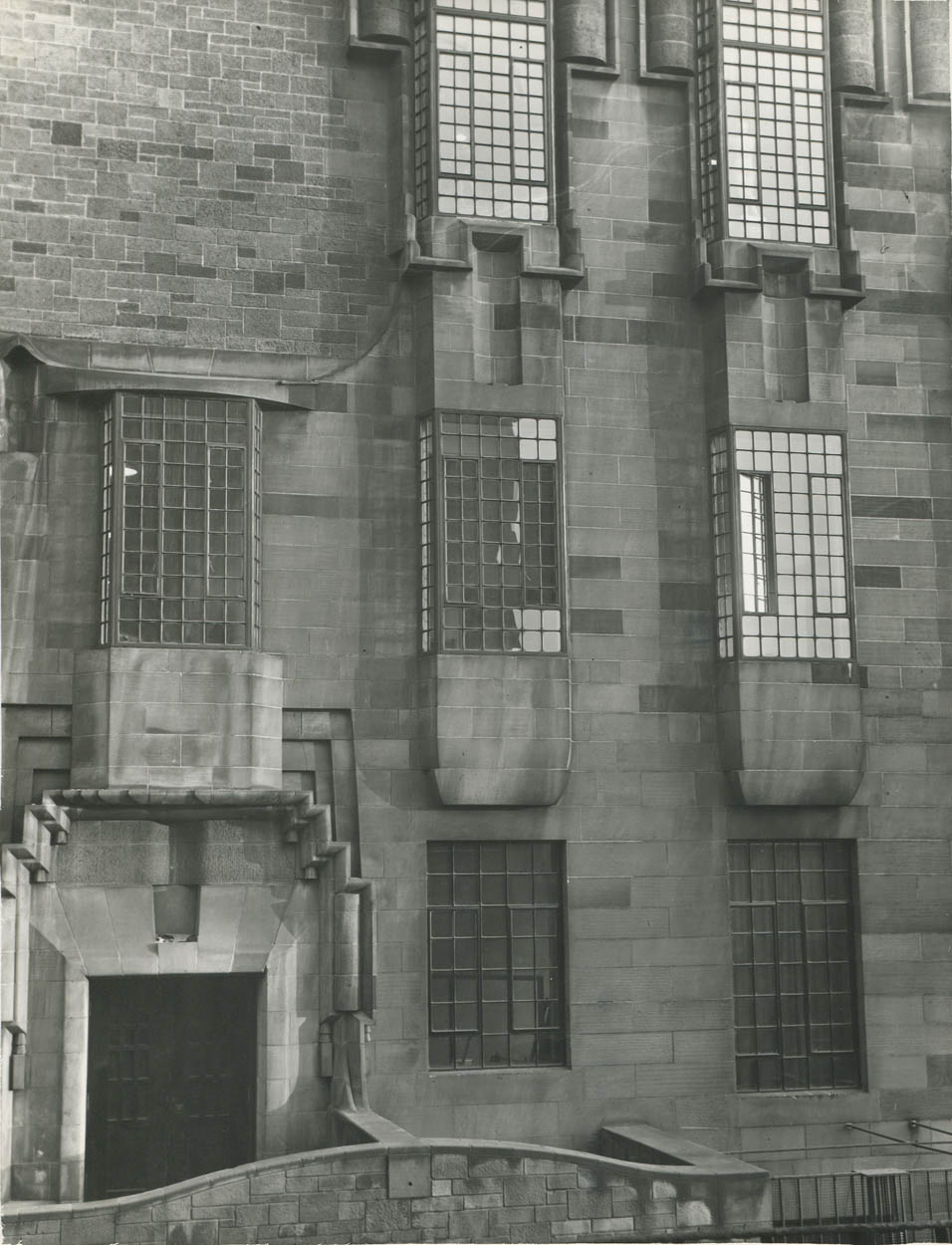
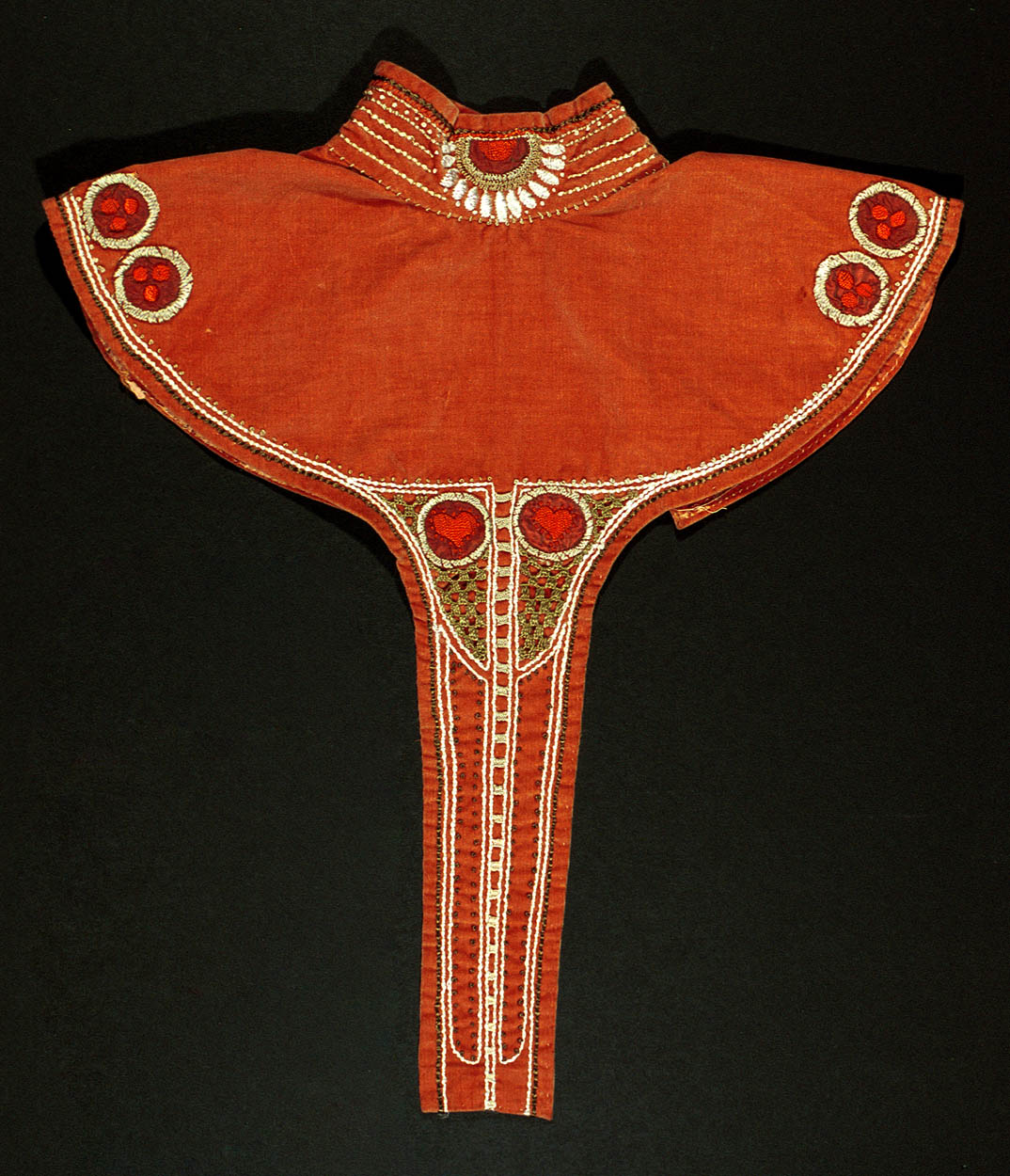
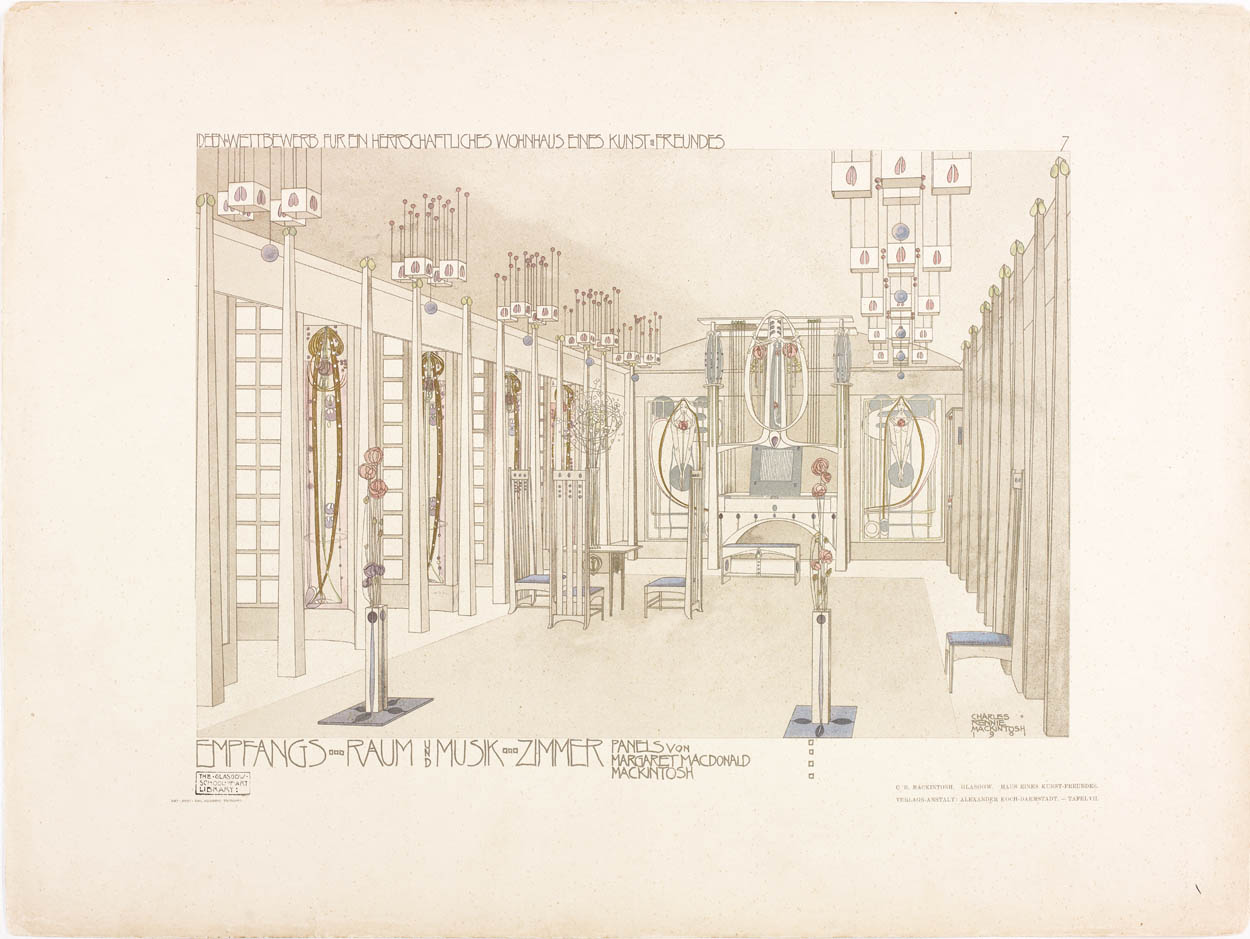
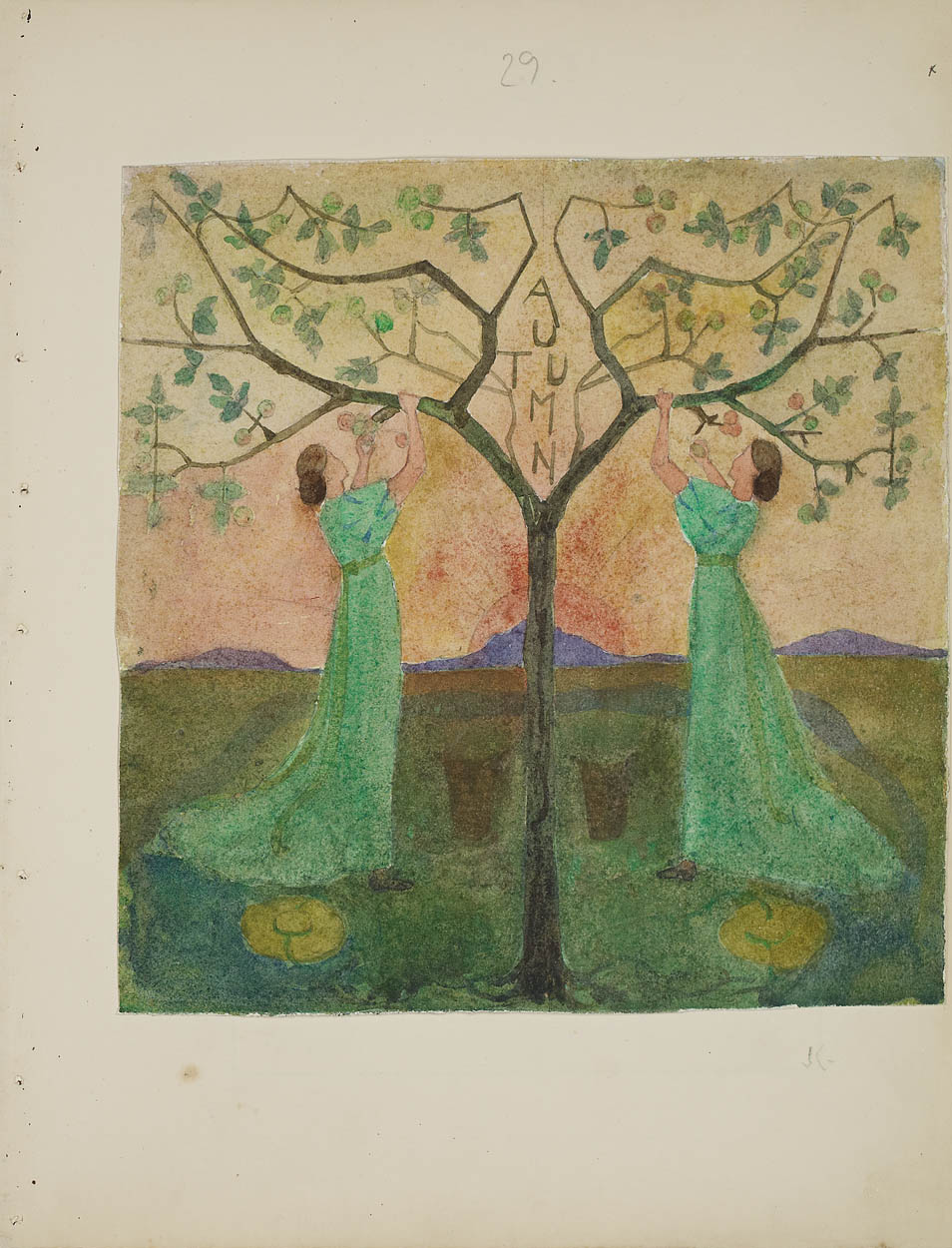
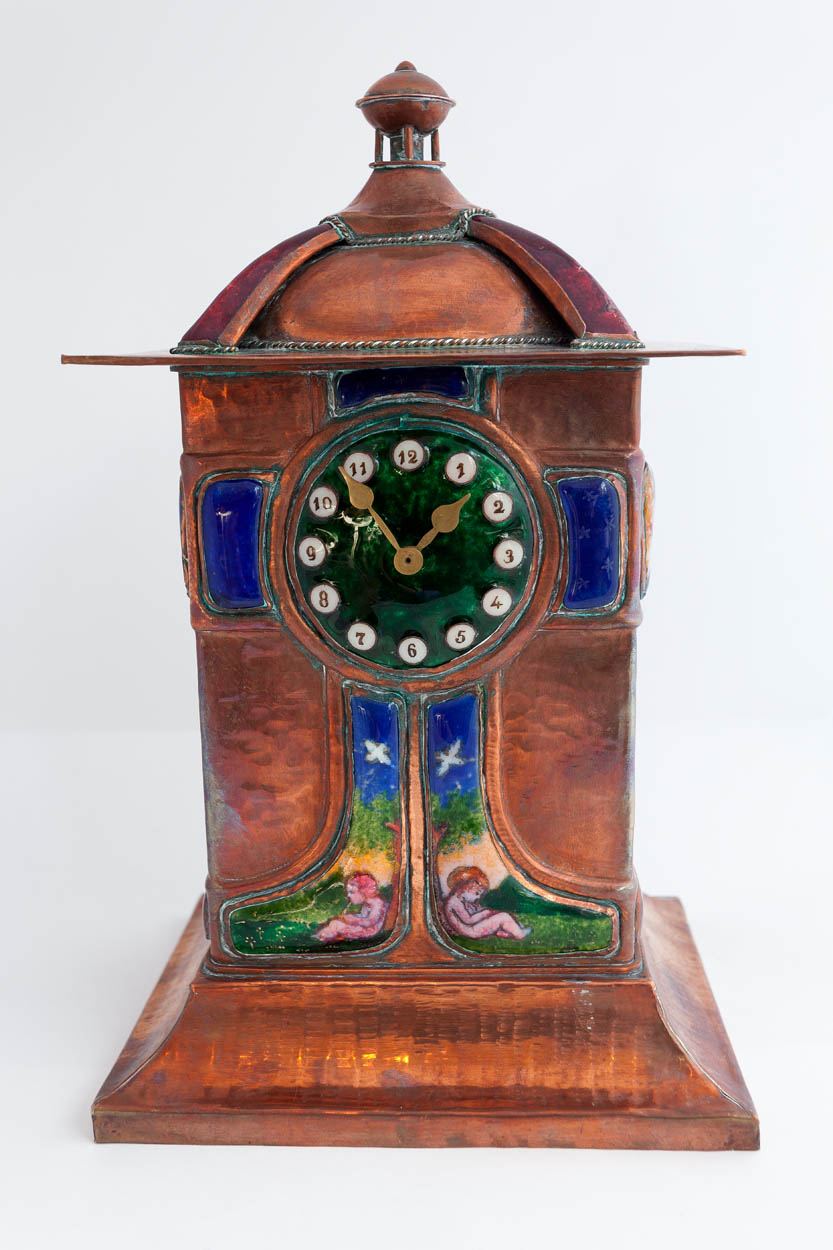
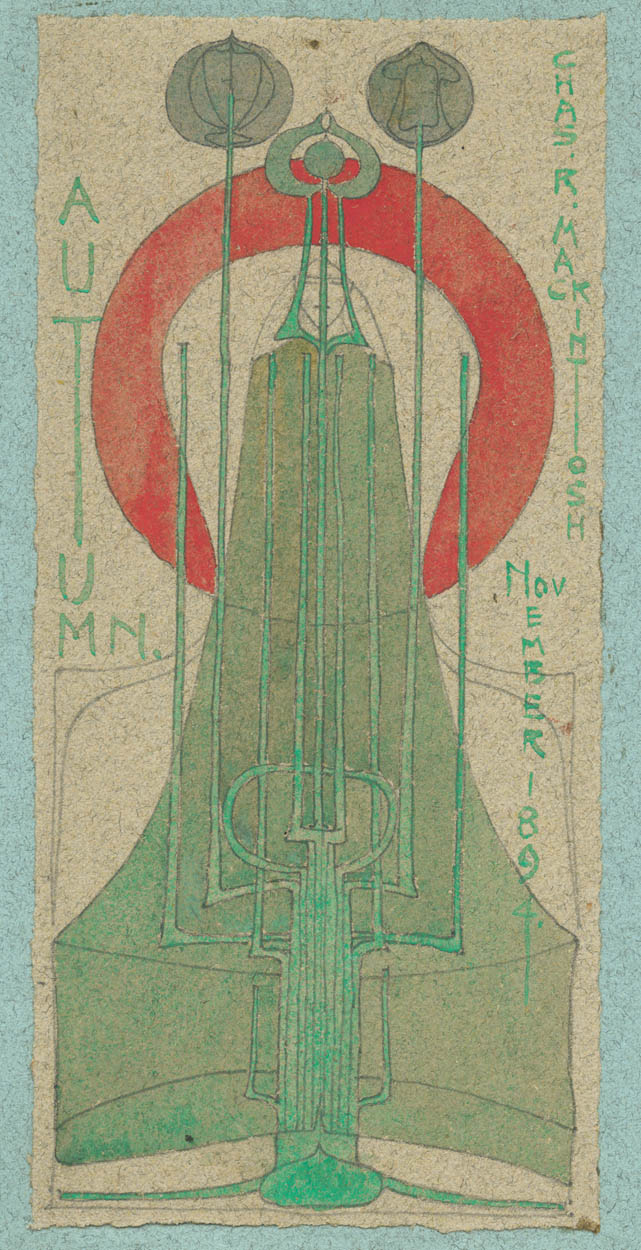
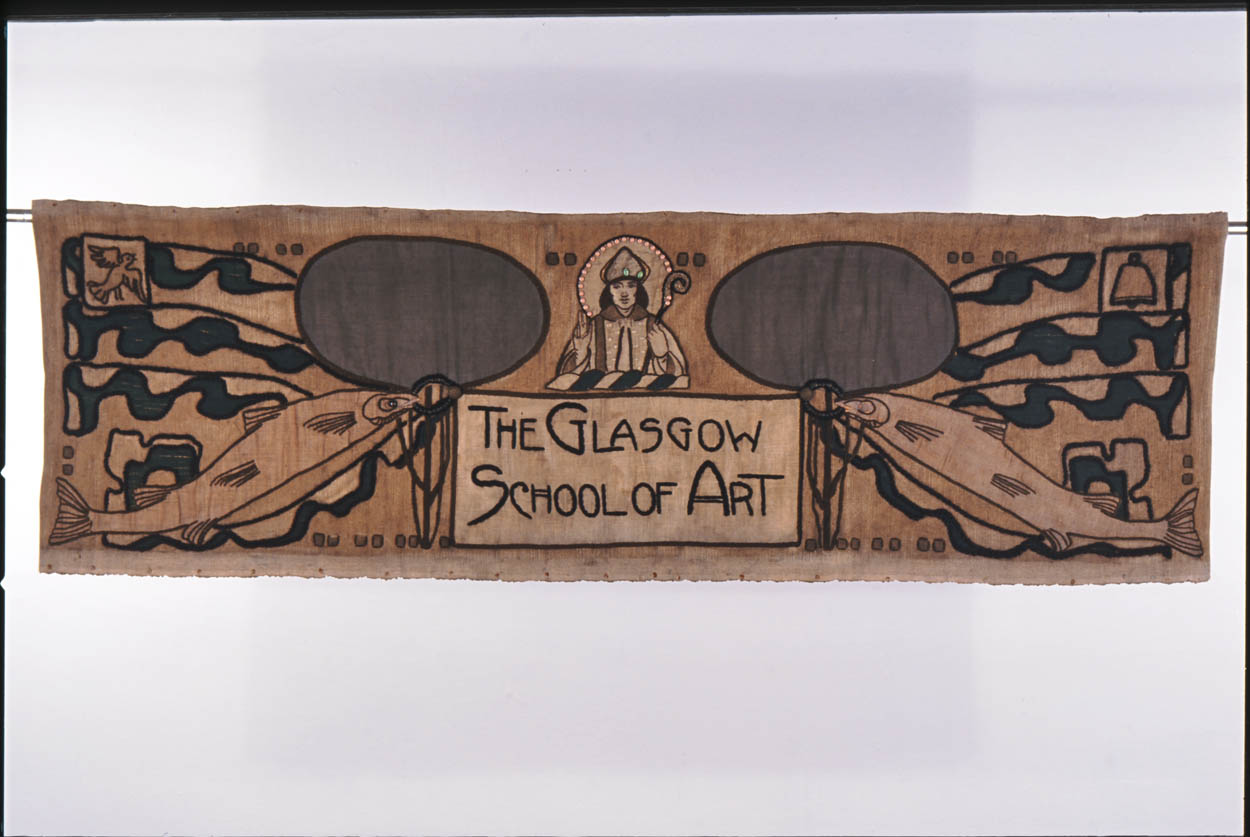
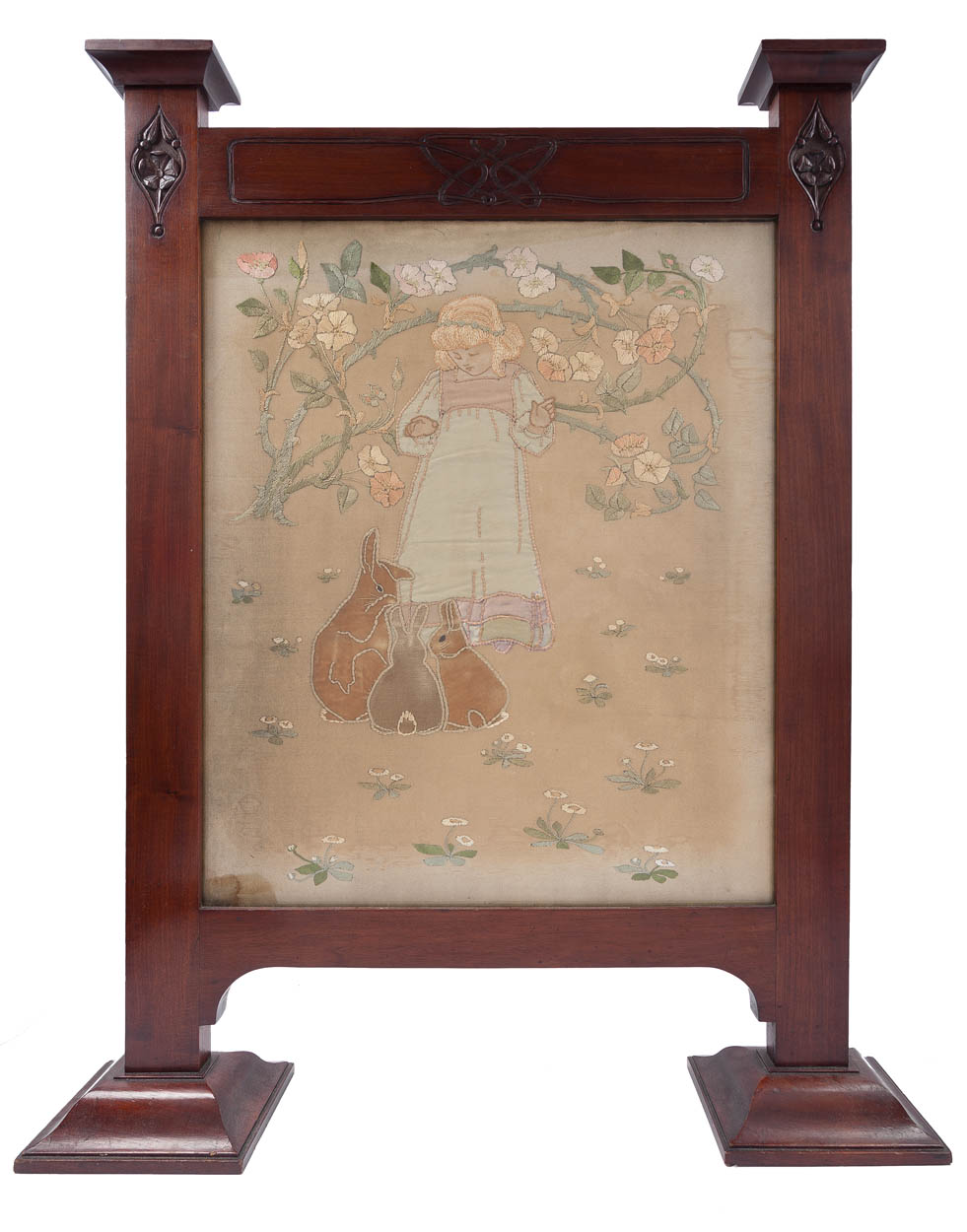
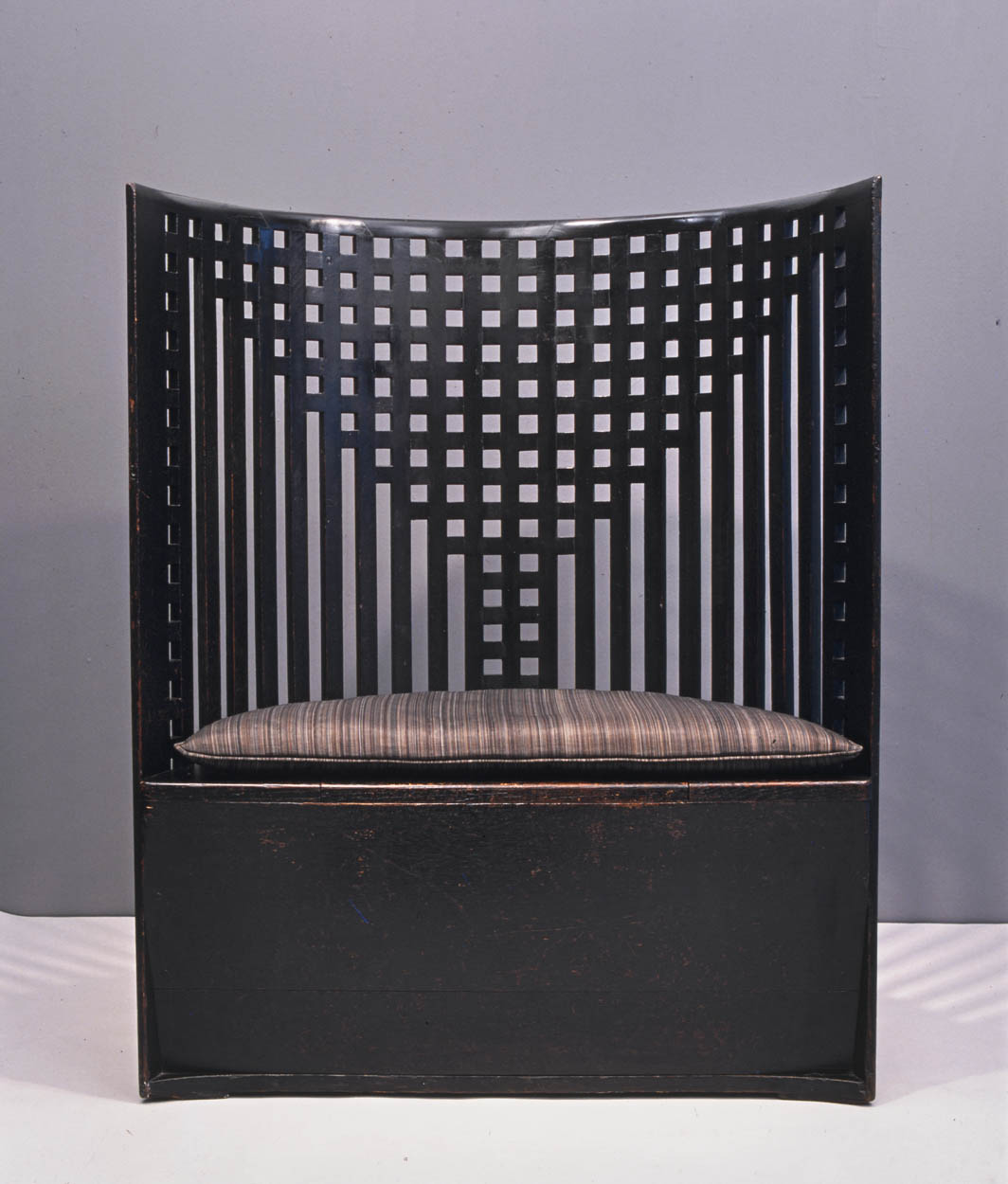
The Glasgow Style was the Scottish manifestation of European Art Nouveau developed between 1890 – 1914 by a loose group of artists within the orbit of The Glasgow School of Art. Driven by a shared perspective of unity within design, their common mediums included metal, wood, ceramics, glass, stained glass, illustration, textiles and interiors.
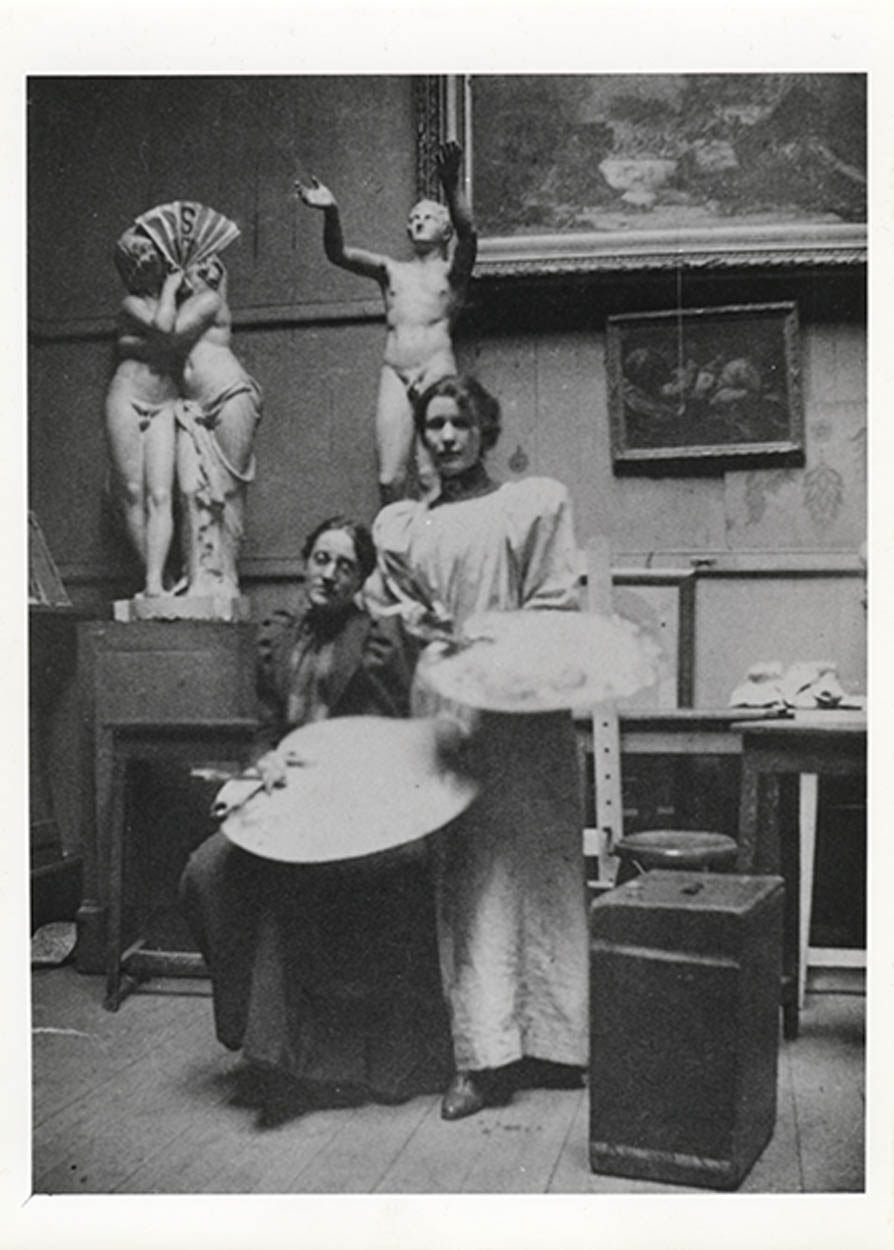
Francis Newbery was appointed Head of The Glasgow School of Art in 1885 and by 1890 the school was recognised across Europe as one of Britain’s most radical and artistically diverse art schools. A disciple of William Morris and the Arts & Crafts movement, Newbery expanded the school’s narrow specialism in the fine arts to include a wide array of applied arts such as pottery, embroidery, metalwork, stained glass and woodcarving.
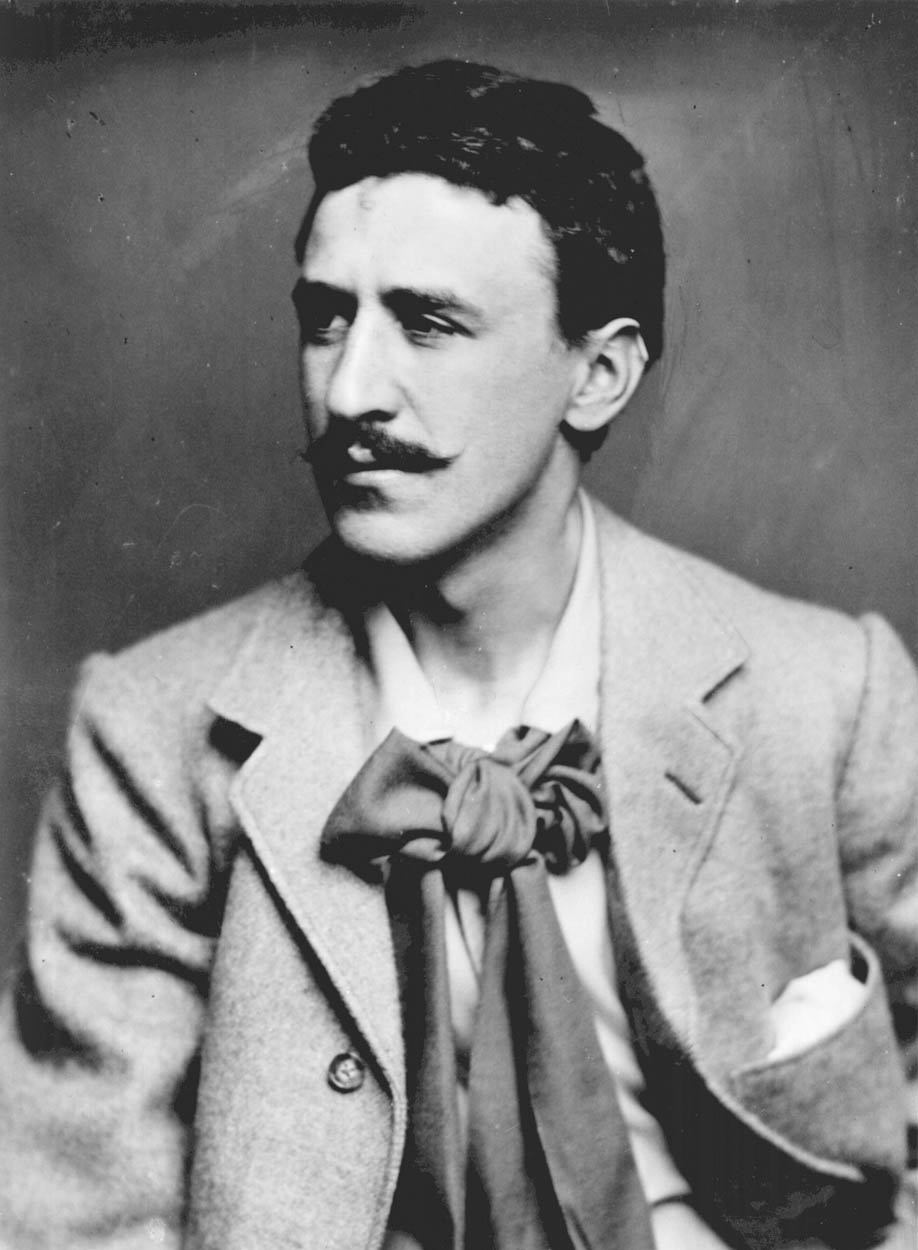
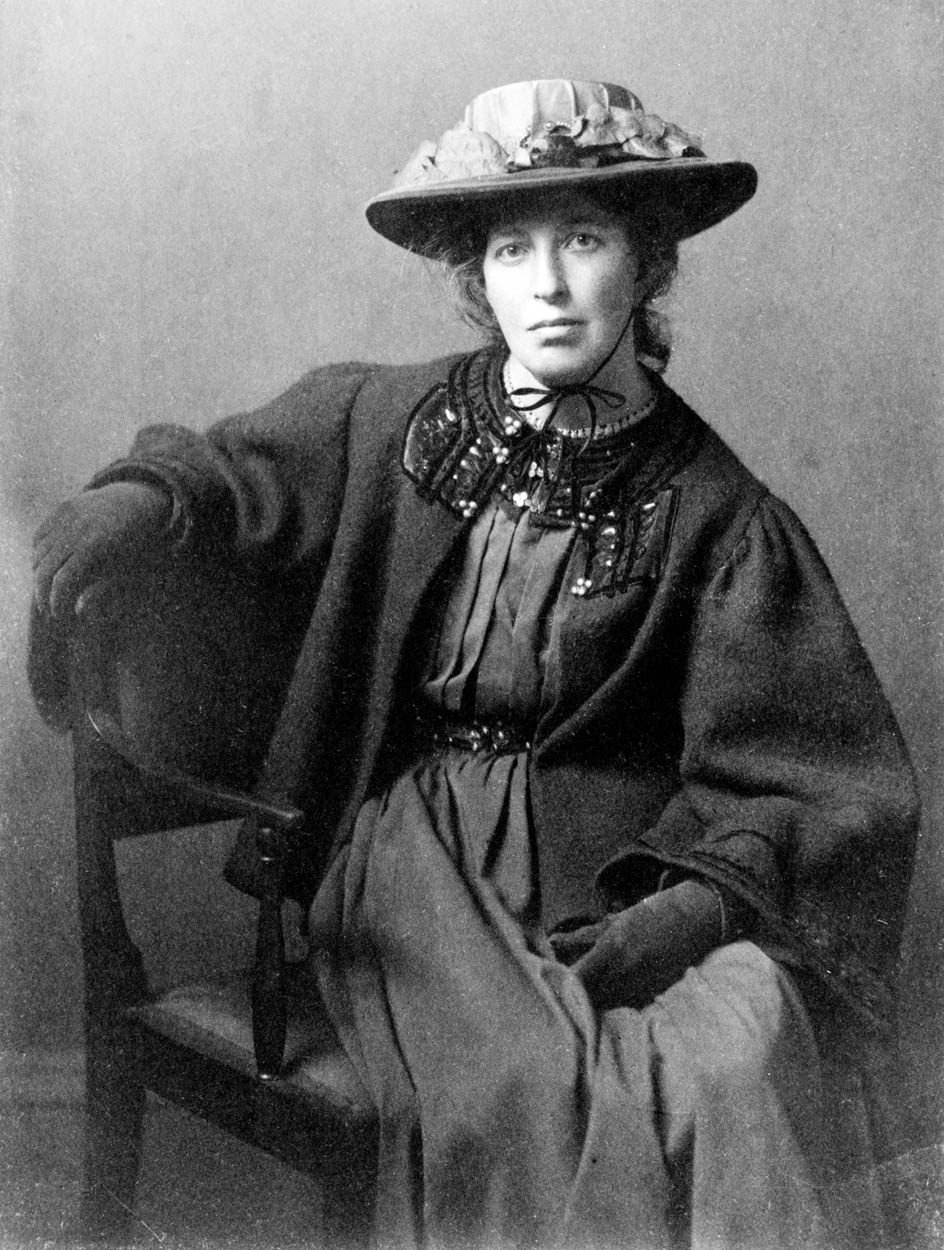
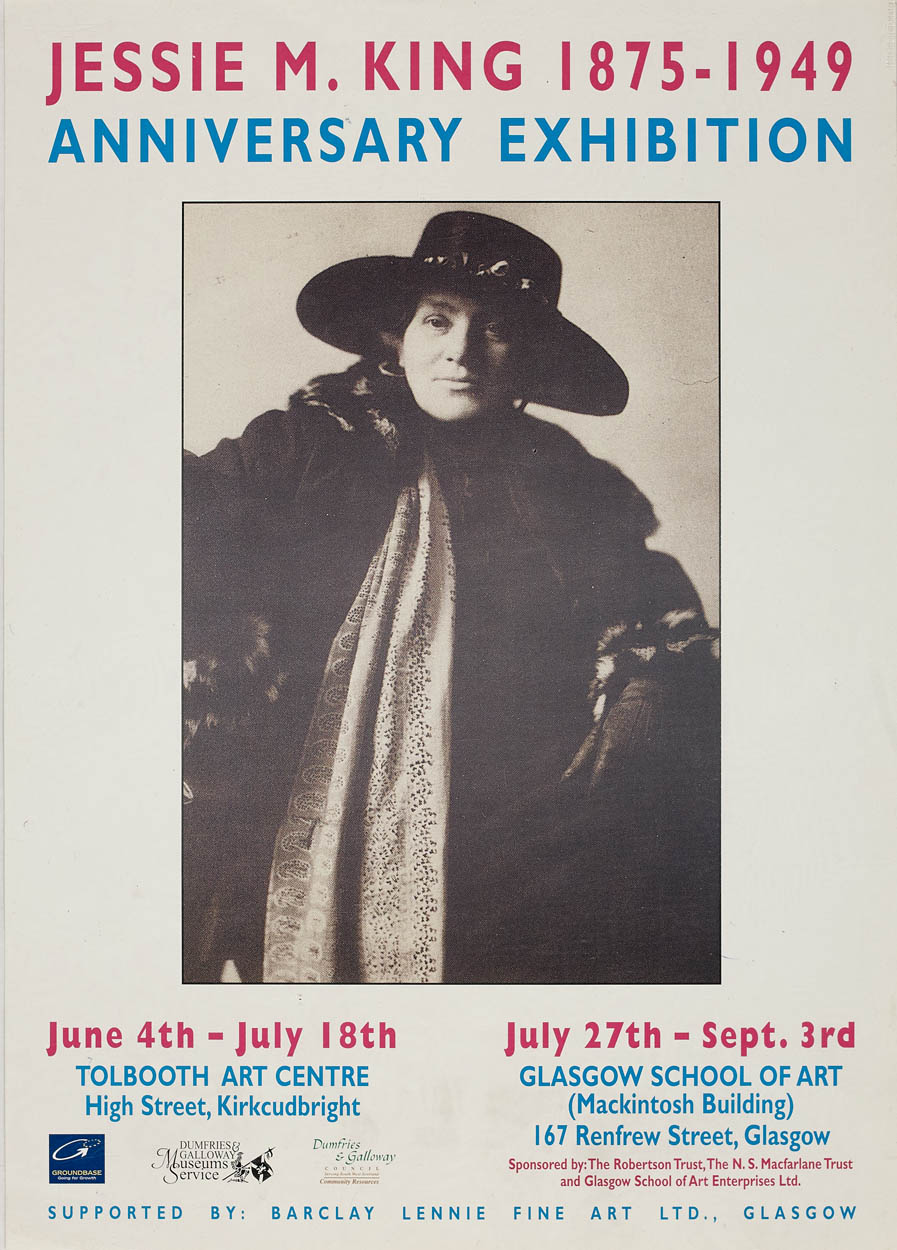
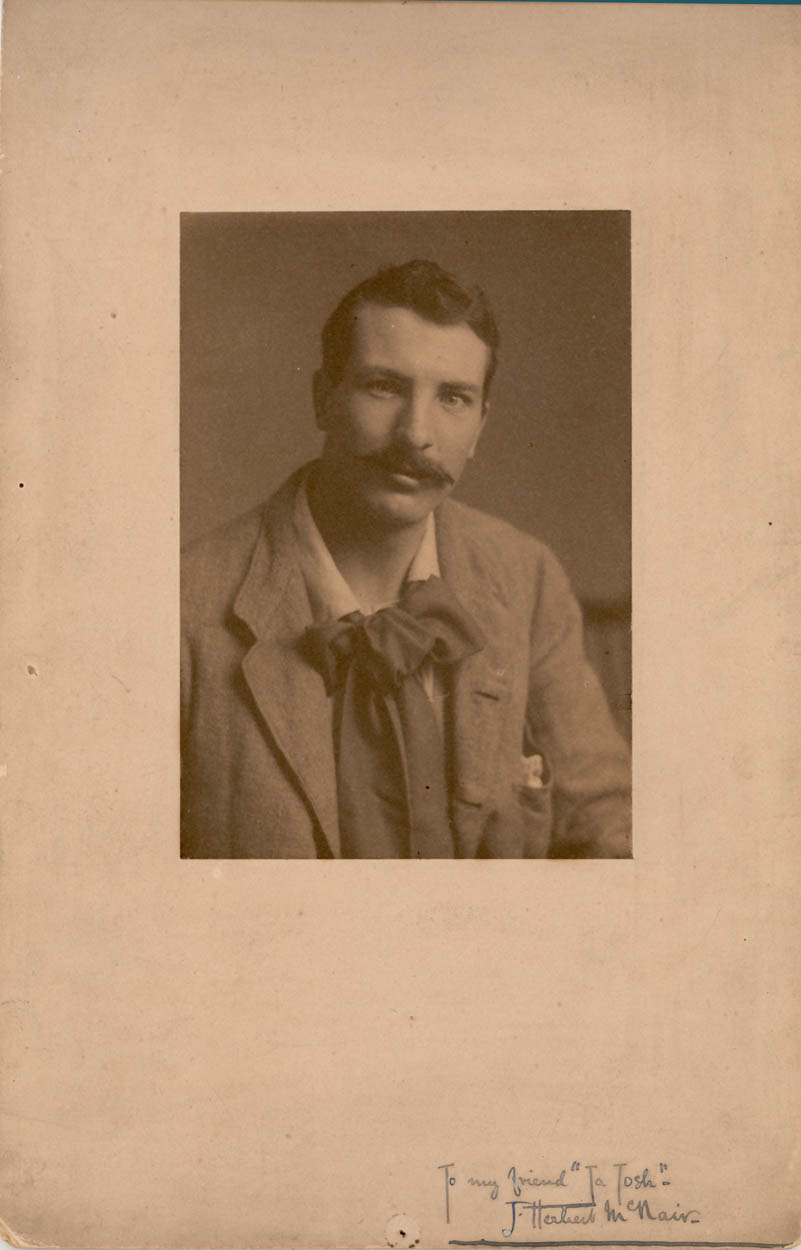
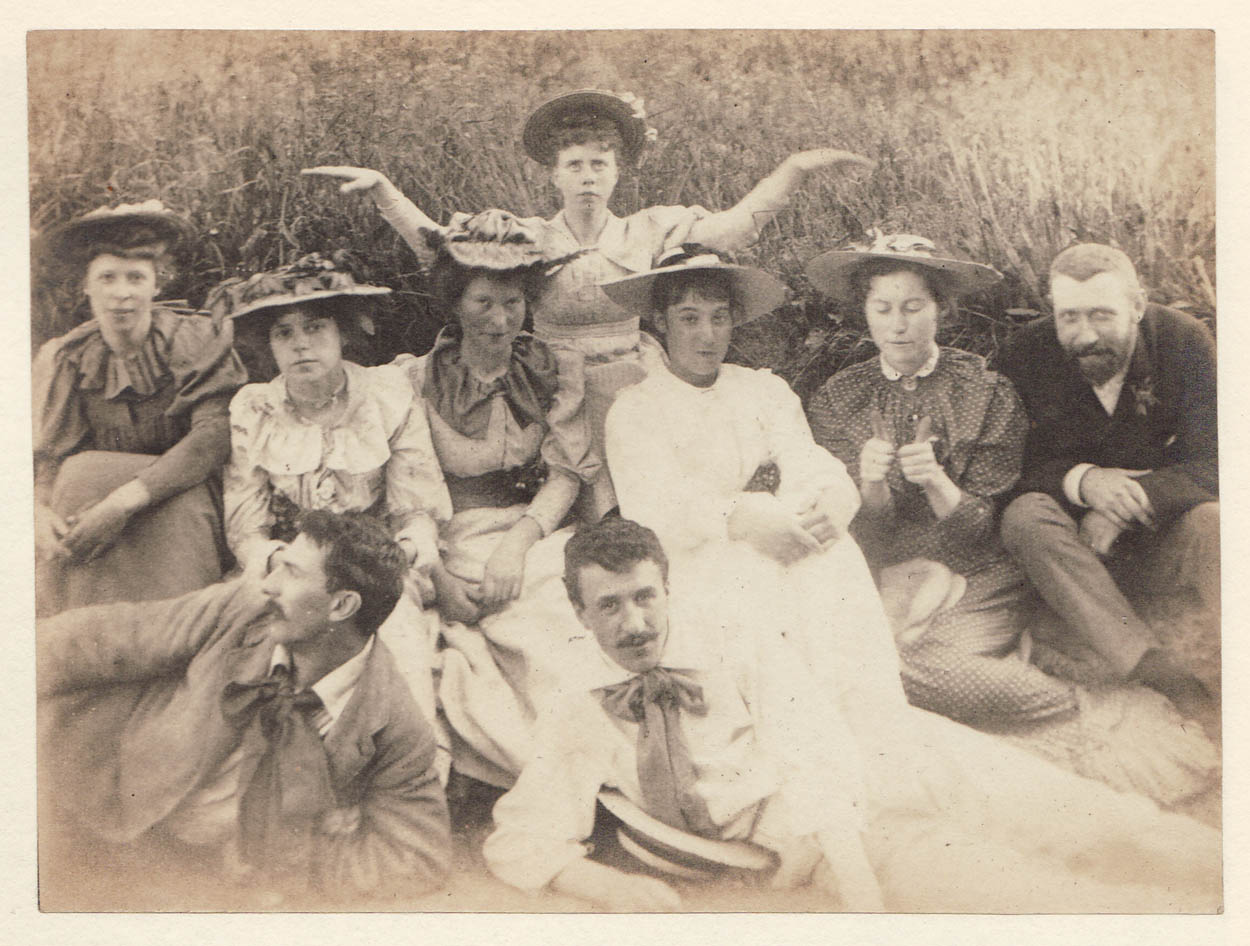
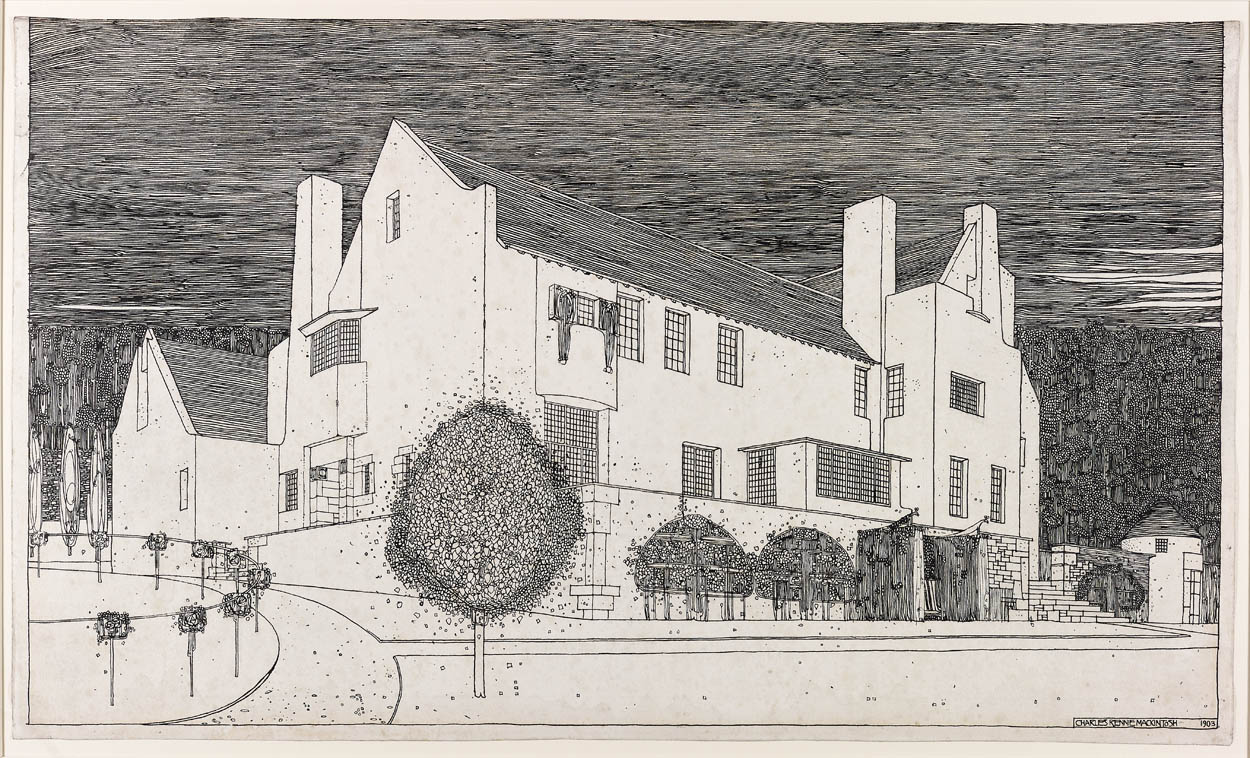
Through activities such as the School of Art Club, Newbery brought like-minded students of the GSA together in shared creative practice to develop a common visual language: the Glasgow Style. Contemporaneous with Jugenstil (Germany), Secession (Austria Hungary), Stile Liberty (Italy) and Modernisme (Catalonia), the Glasgow Style evolved throughout the 1890s via international exhibitions and periodicals such as The Studio, where several key artists associated with The Glasgow School of Art were featured in 1897-1898. Gleeson White, a friend of Francis Newbery, wrote a four-part series called ‘Some Glasgow Designers and their Work‘, which highlighted the work of Charles Rennie Mackintosh, Margaret Macdonald, Frances Macdonald, Herbert McNair, and Jessie Newbery, all of whom met as students at The Glasgow School of Art. This brought international attention to the Glasgow Style, examples of which were exhibited at the Eighth Vienna Secession exhibition (1900) and the Turin International Exhibition of Decorative Arts (1902).
The Glasgow Style is characterised by stylised natural motifs. Flowers and plants – often roses, tulips, and thistles – are rendered in linear outline. Where rarely figures are depicted, an exaggerated elongation of form is used that marks the influence of Japanese art, and more directly, the illustrations of Aubrey Beardsley (examples of his Salome series appeared in the first issue of The Studio in 1894).
Beardsley was part of the literary and artistic movement known as Symbolism, which had a particular impact on Glasgow designers. Symbolist art offered suggestive ideas that were not necessarily explained clearly for the viewer but offered them the pleasure of rumination on their meaning through stylised and abstracted form.