Home / City of Târgu Mureș
The city of Târgu Mureș (Marosvásárhely in Hungarian, Neumarkt am Mieresch in German), situated on the banks of the Mureș River in the heart of Transylvania, developed into one of the most dynamic urban centres of early twentieth-century Hungary. Its geographical position at the crossroads of Transylvania’s cultural and trade networks, combined with an ambitious civic leadership, created the conditions for a remarkable episode of modern architecture that profoundly shaped the city’s identity.
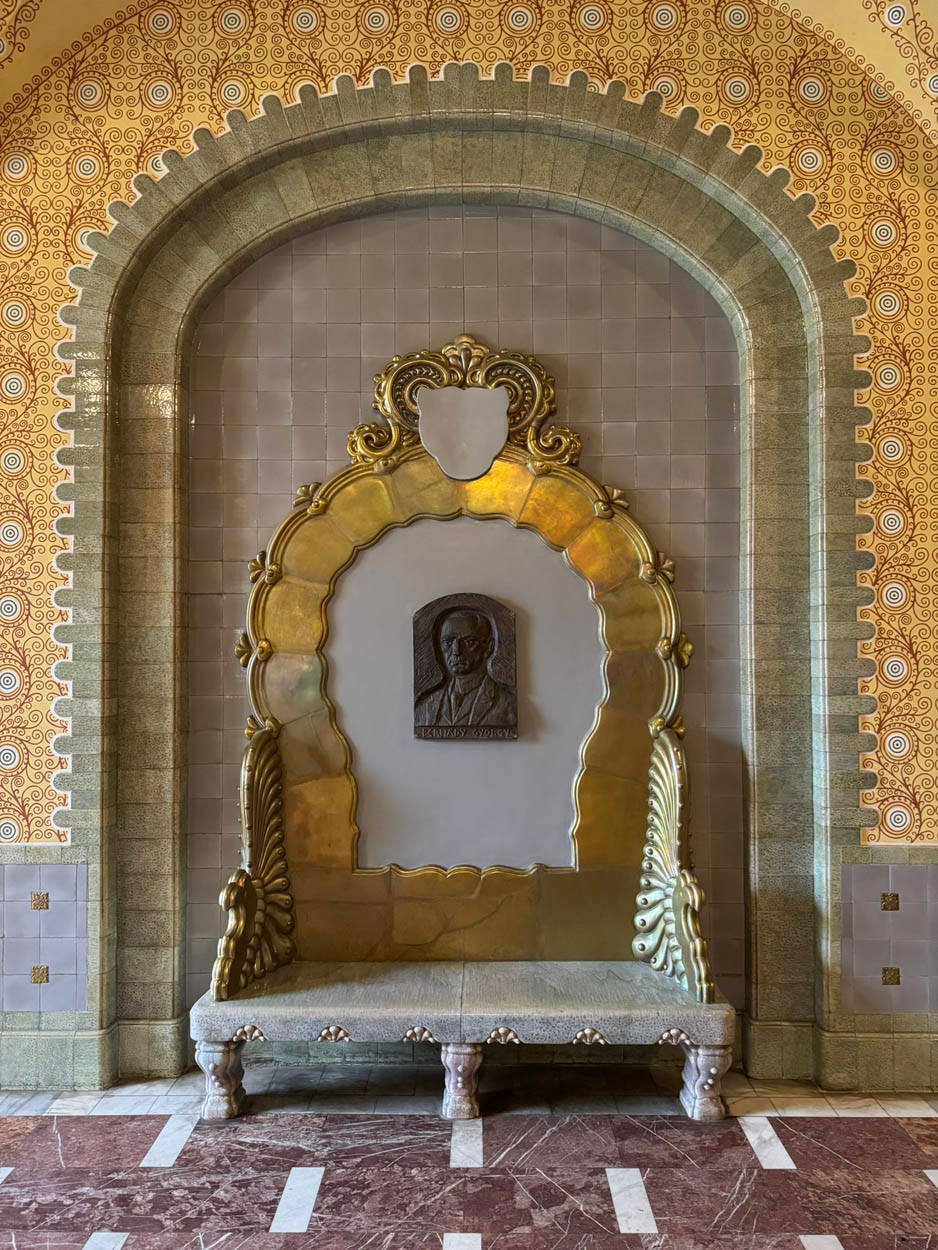
The decisive phase of this transformation unfolded under the tenure of Mayor Dr. György Bernády (1902–1912), whose policy of comprehensive urban modernisation attracted a generation of highly trained architects and craftsmen. The process had begun already in the 1890s, when local architecture gradually moved beyond historicism toward new aesthetic currents. Close ties with the Budapest University of Technology facilitated the rapid adoption of Secession ideas, rooting the city firmly within the intellectual world of Hungarian national modernity.
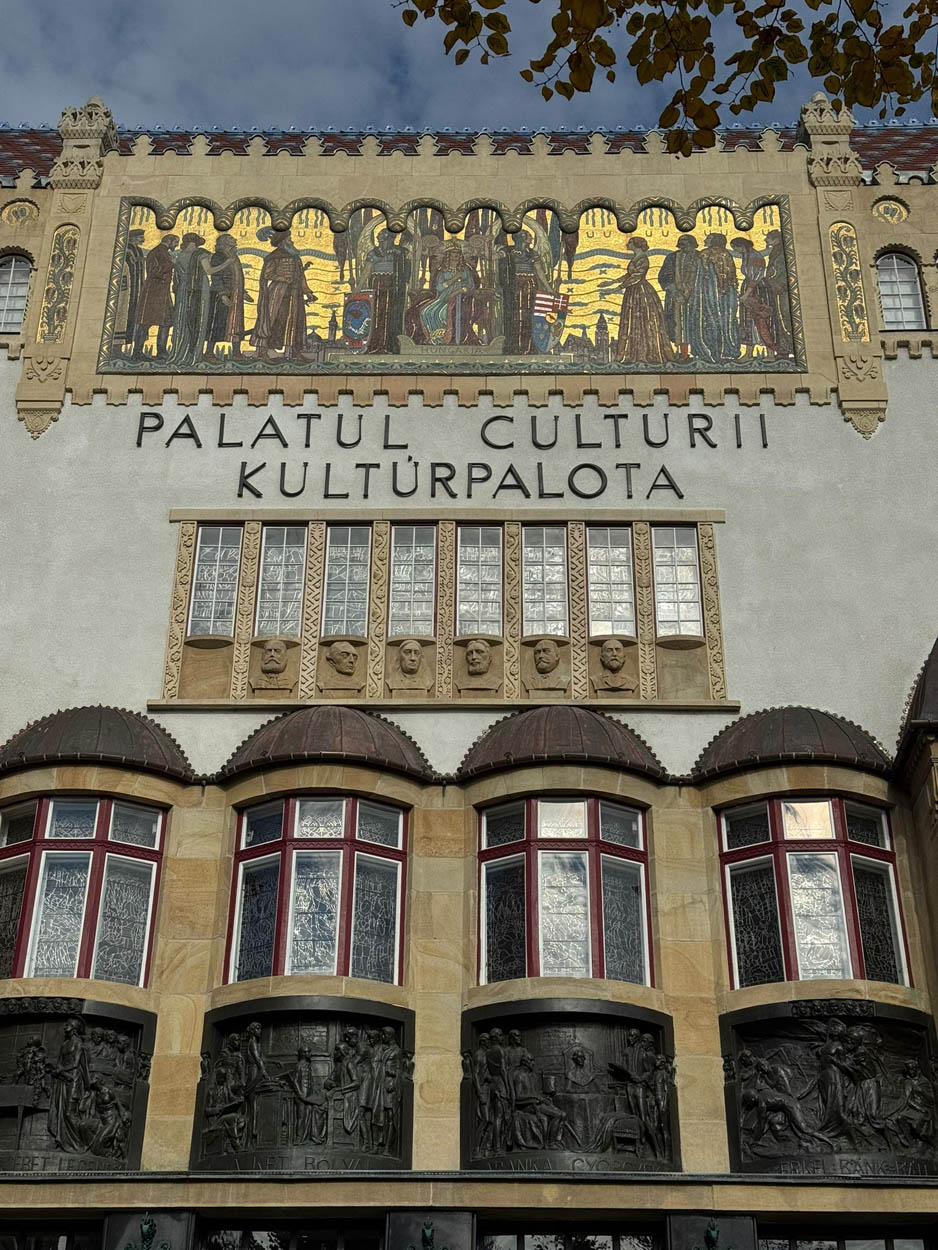
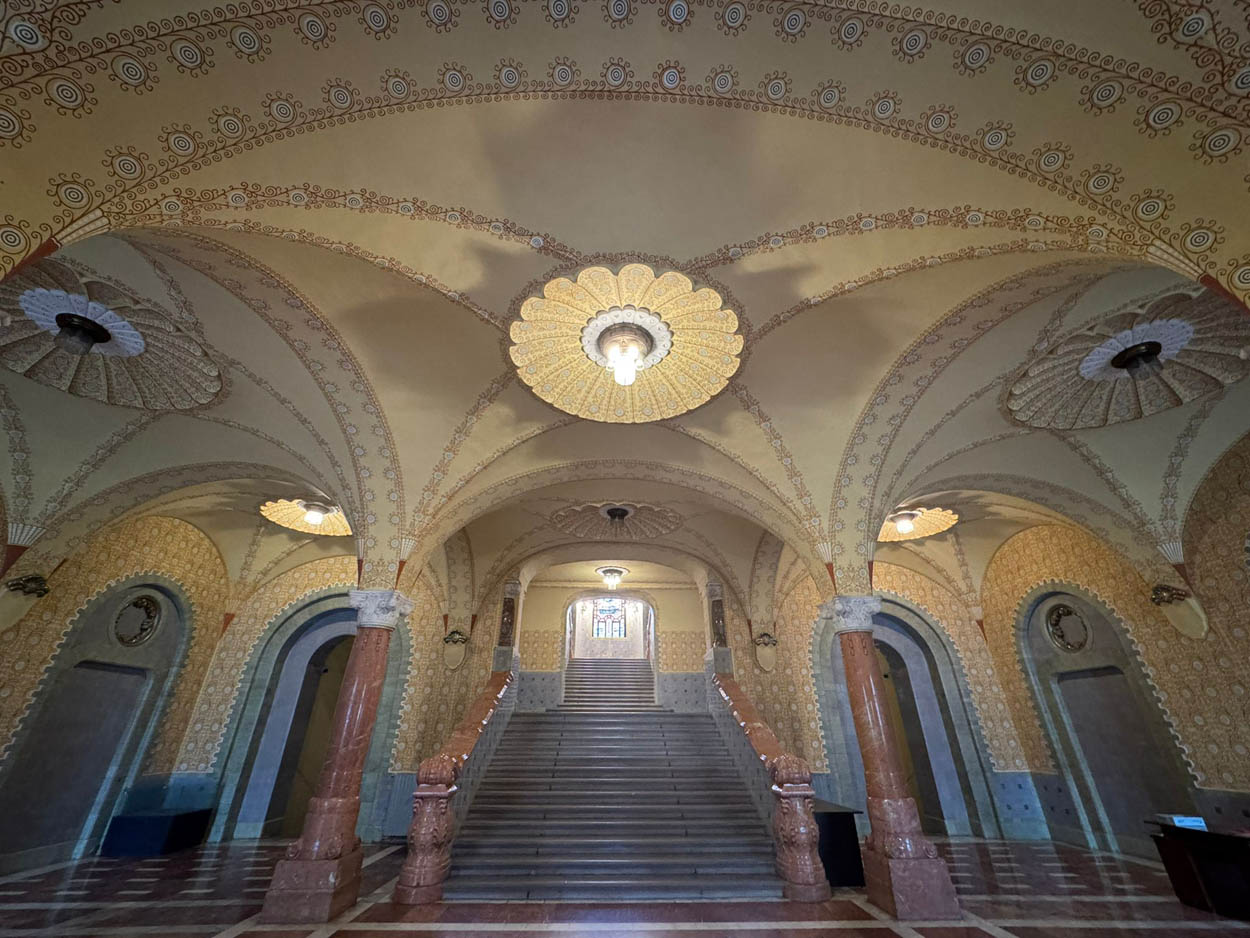
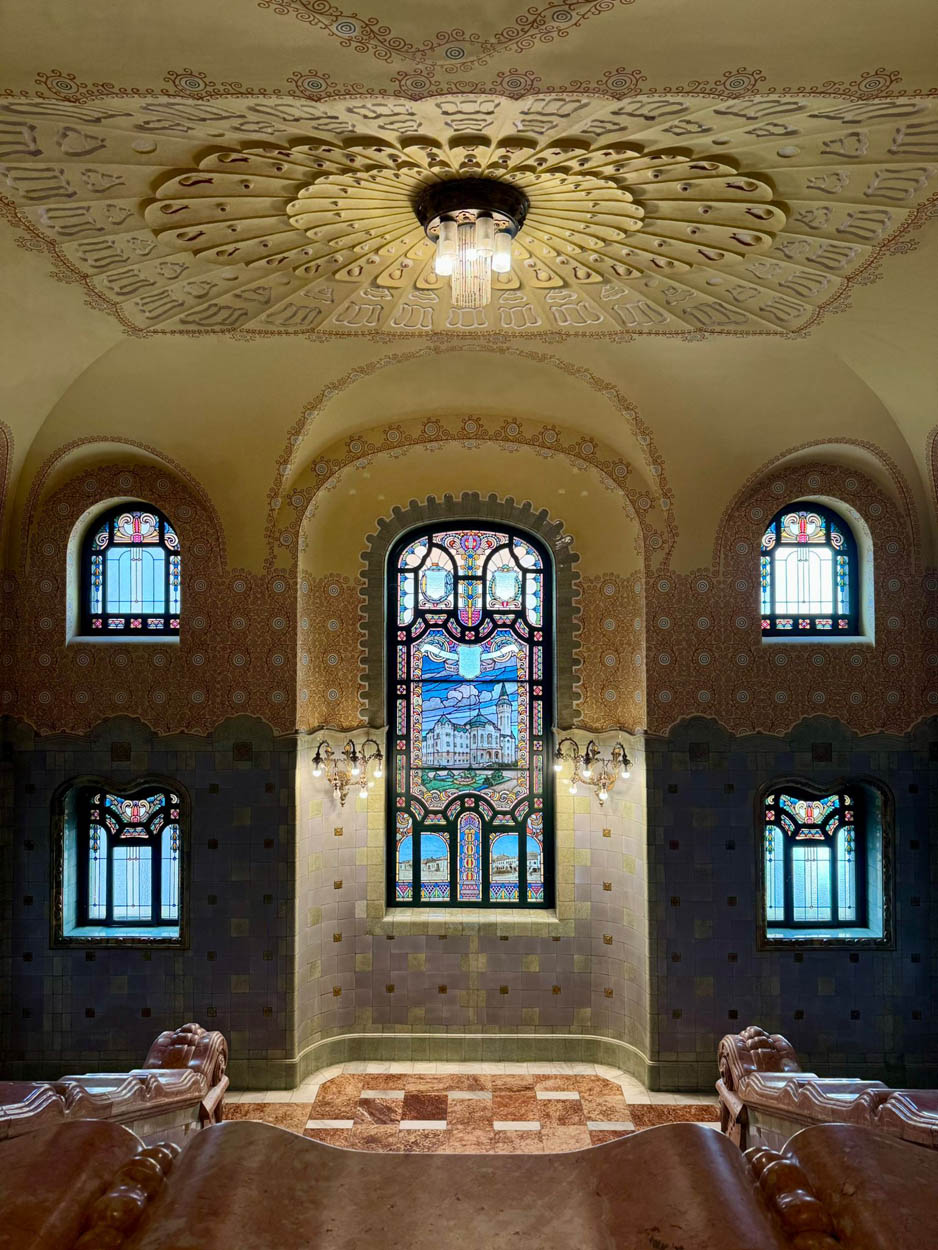
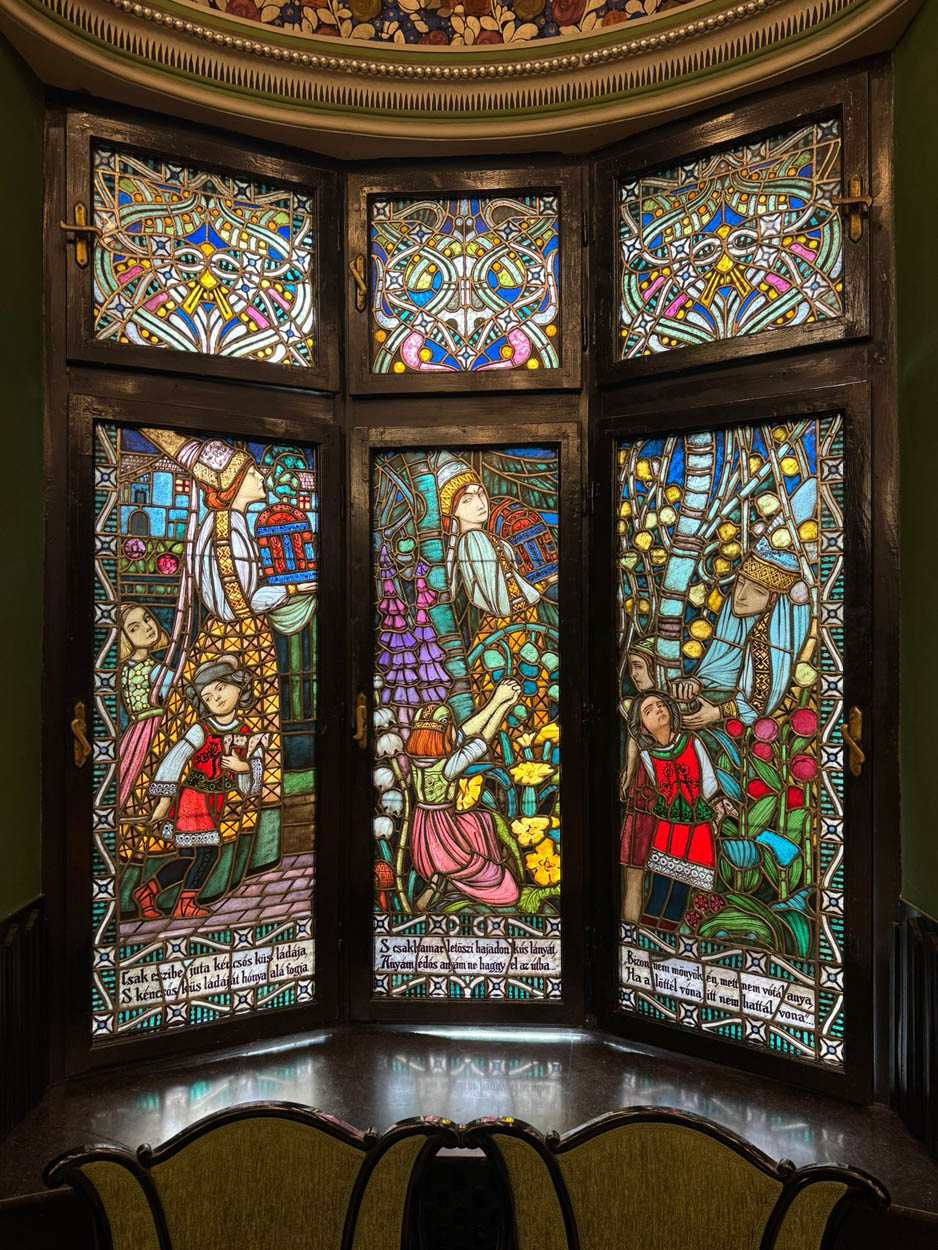
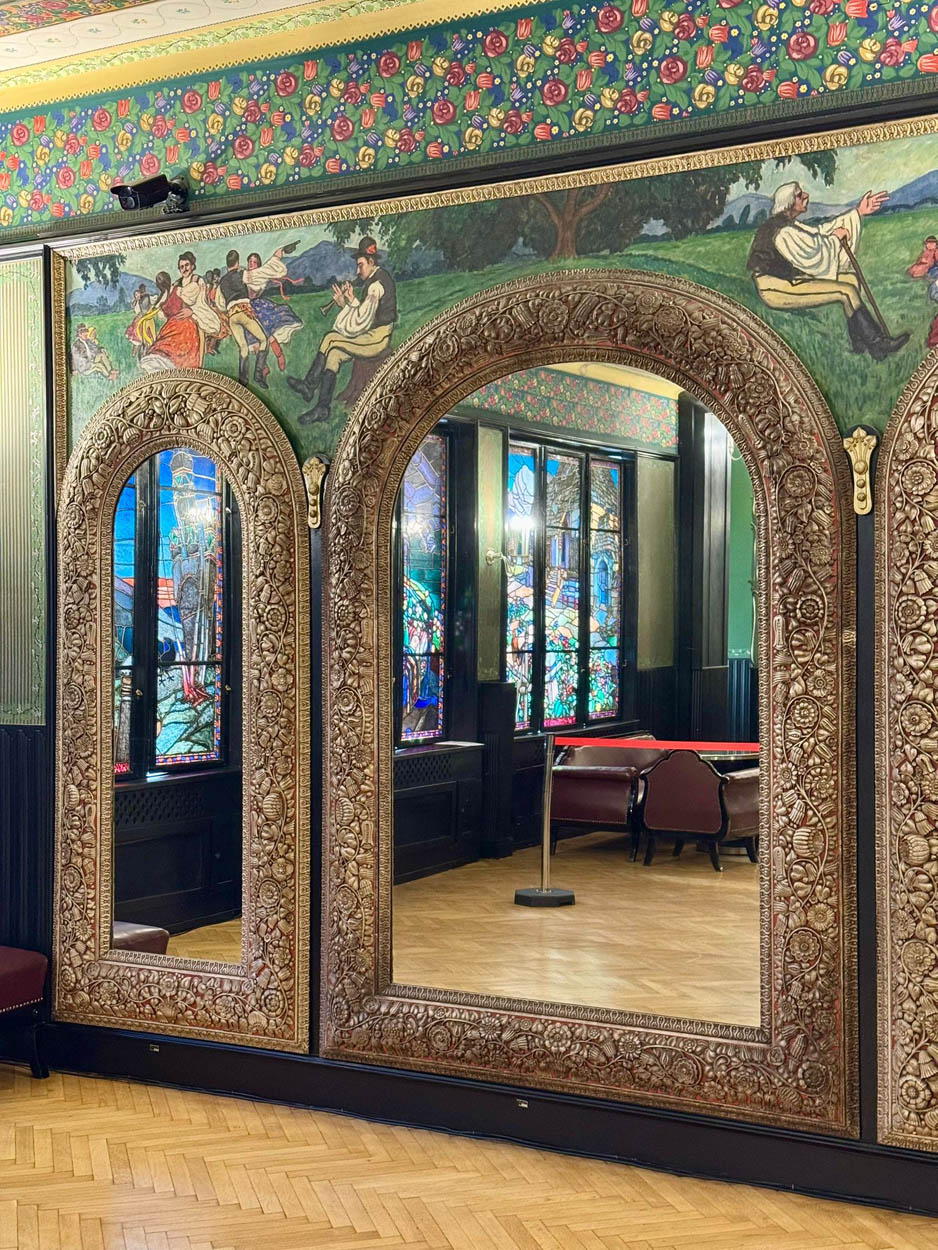
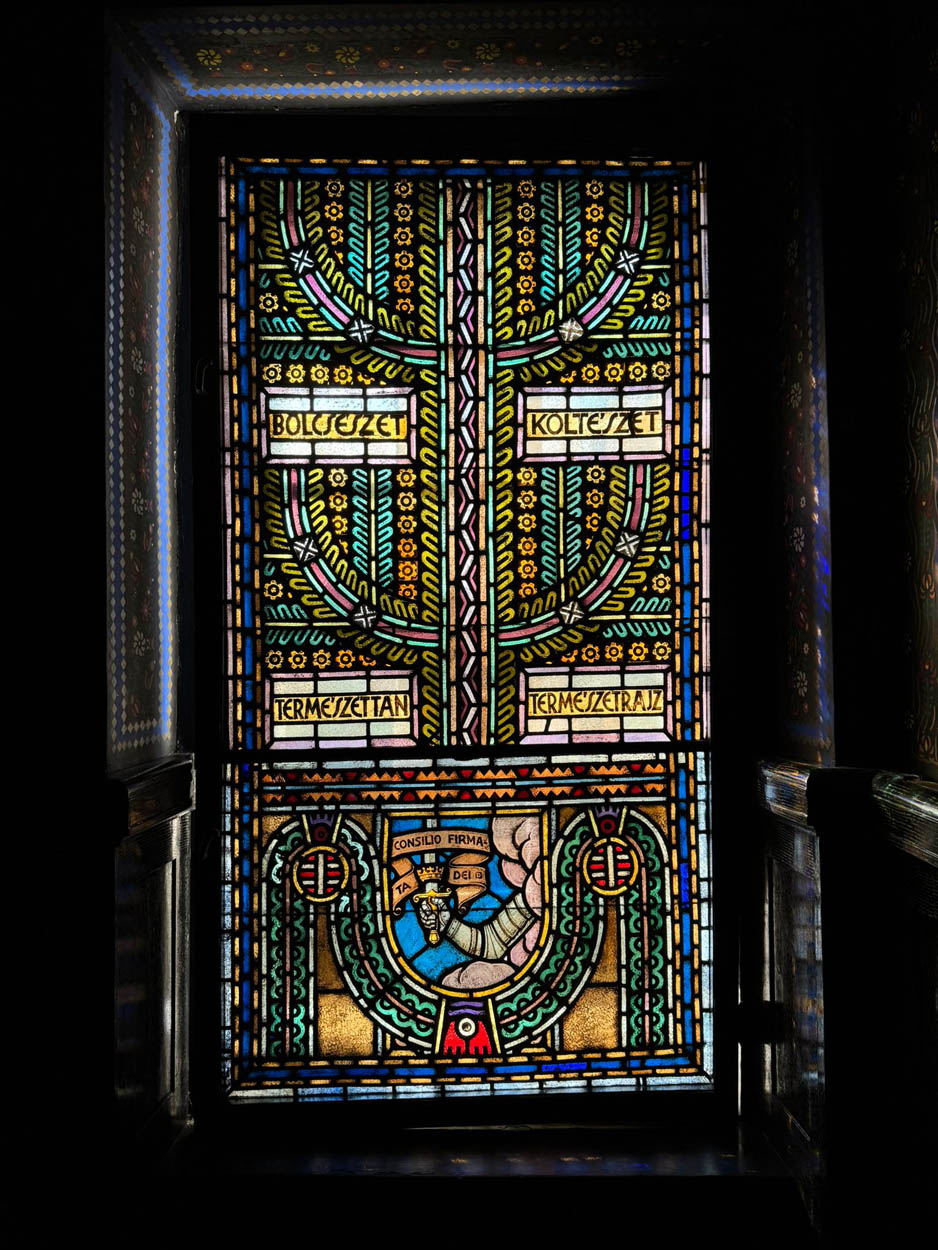
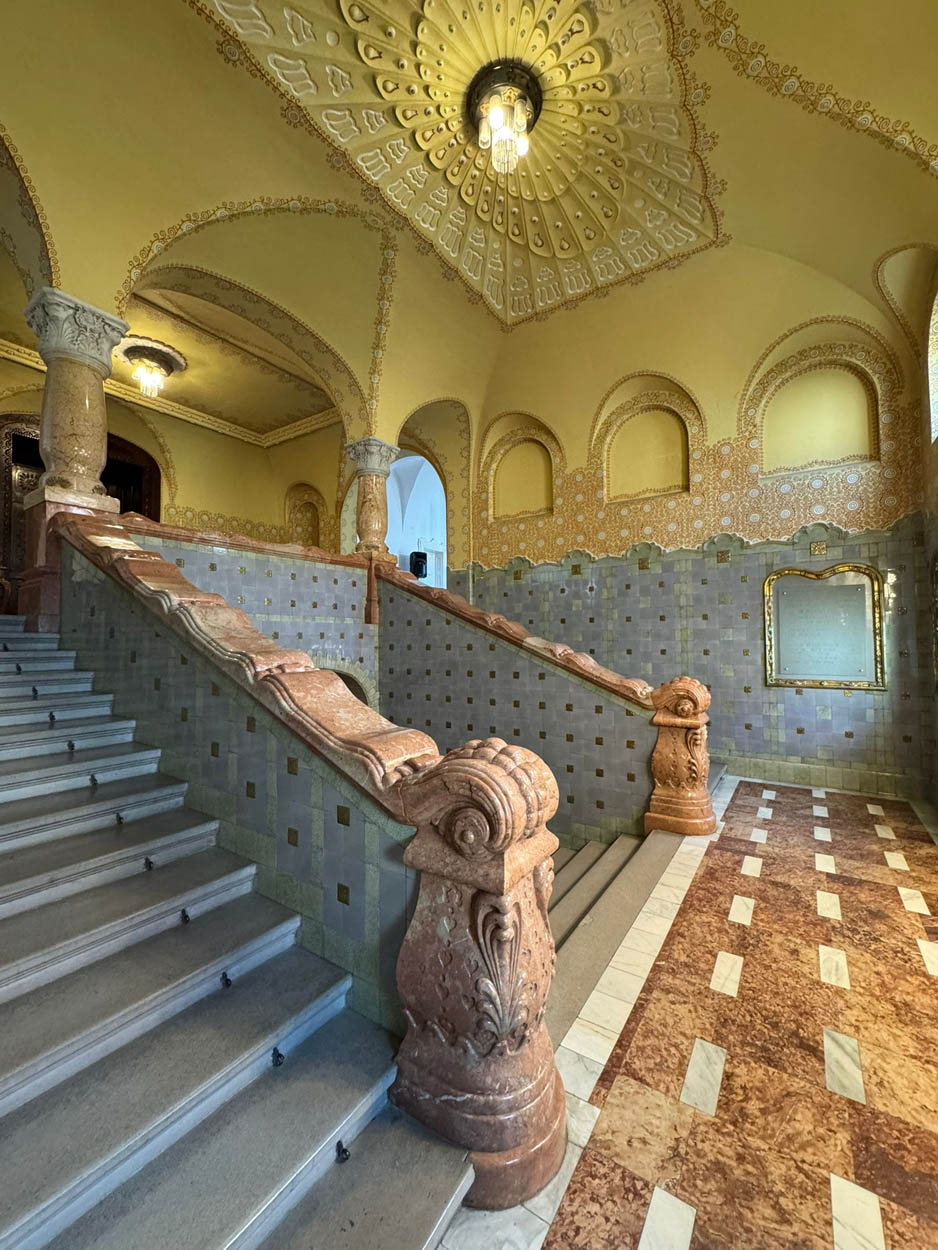
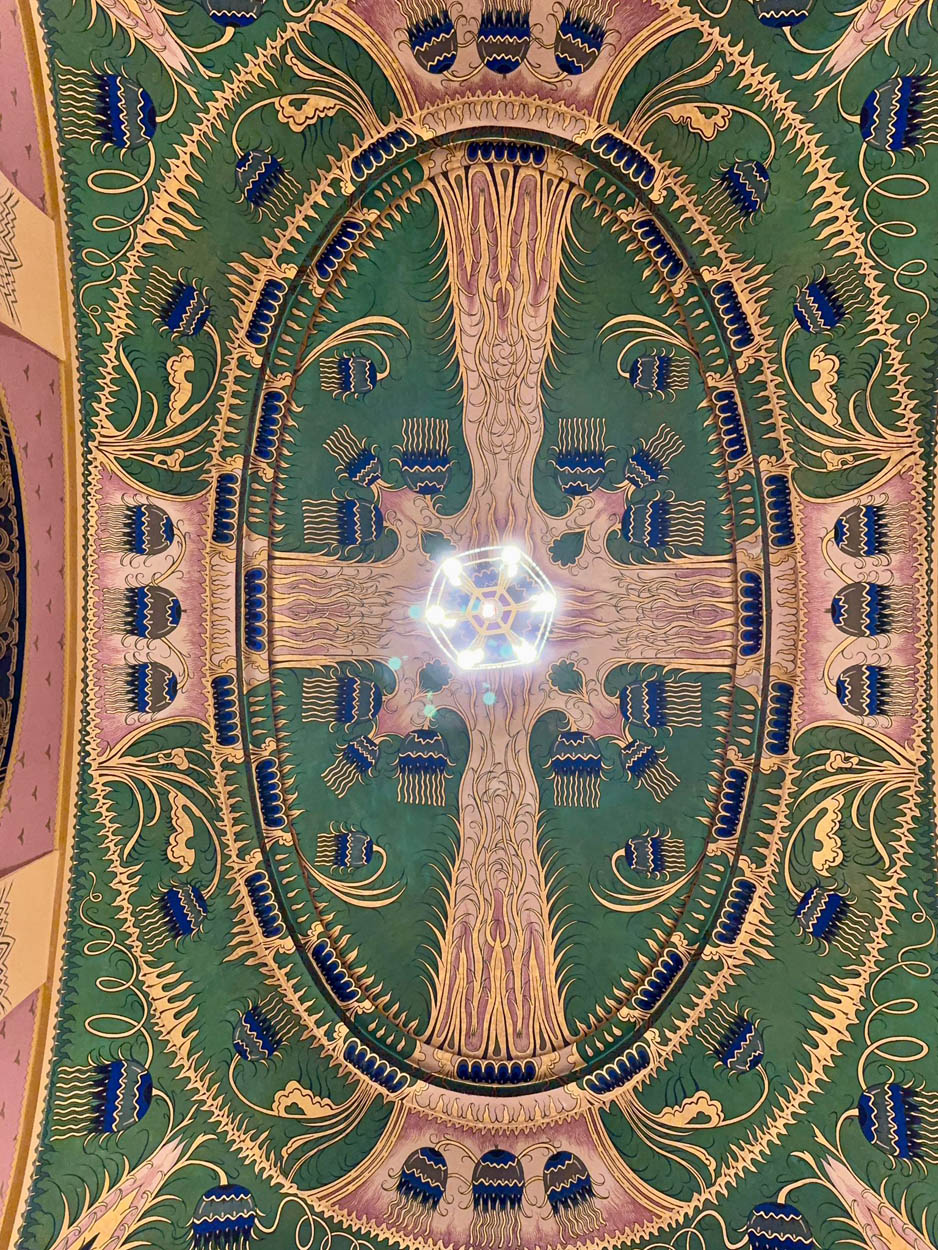
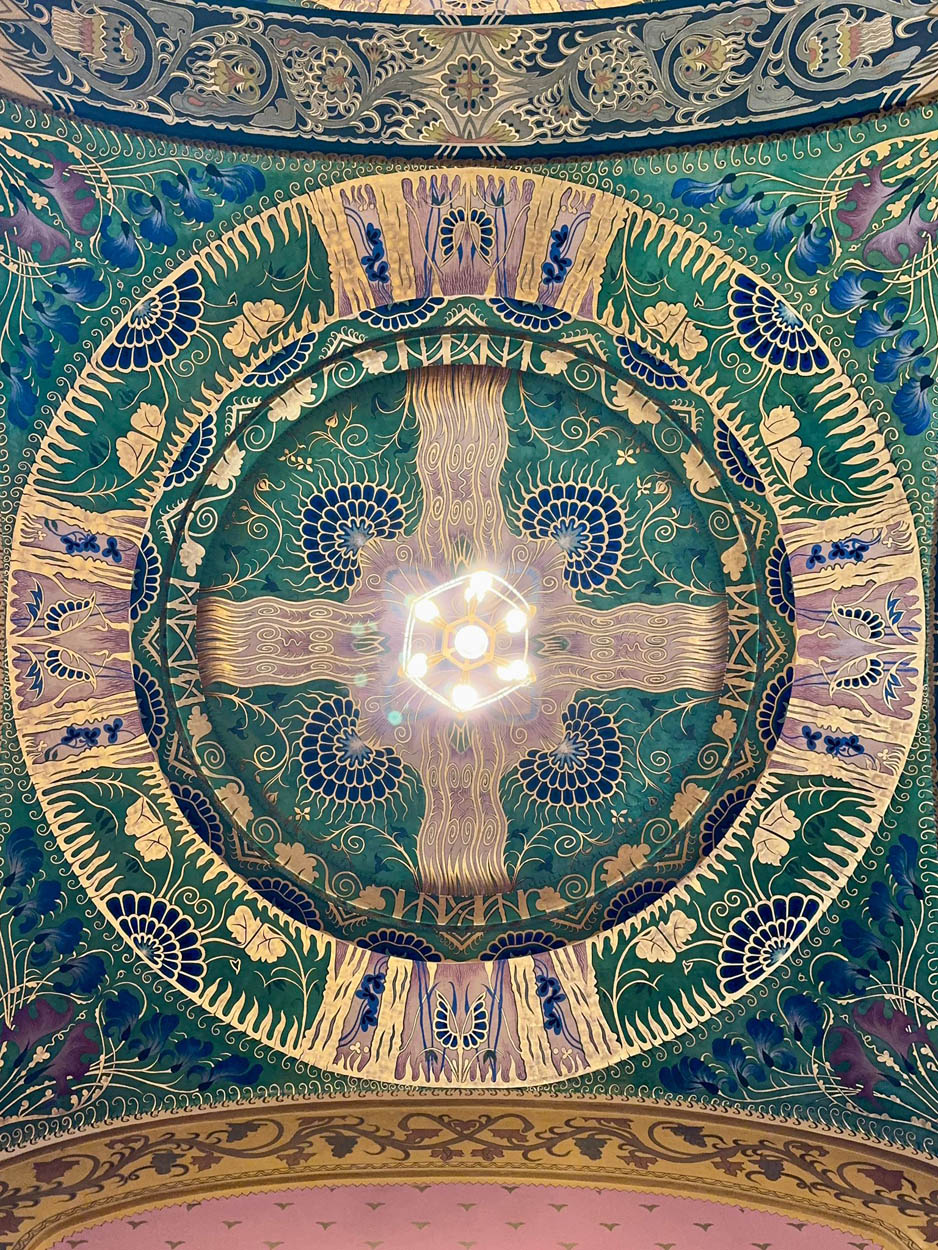
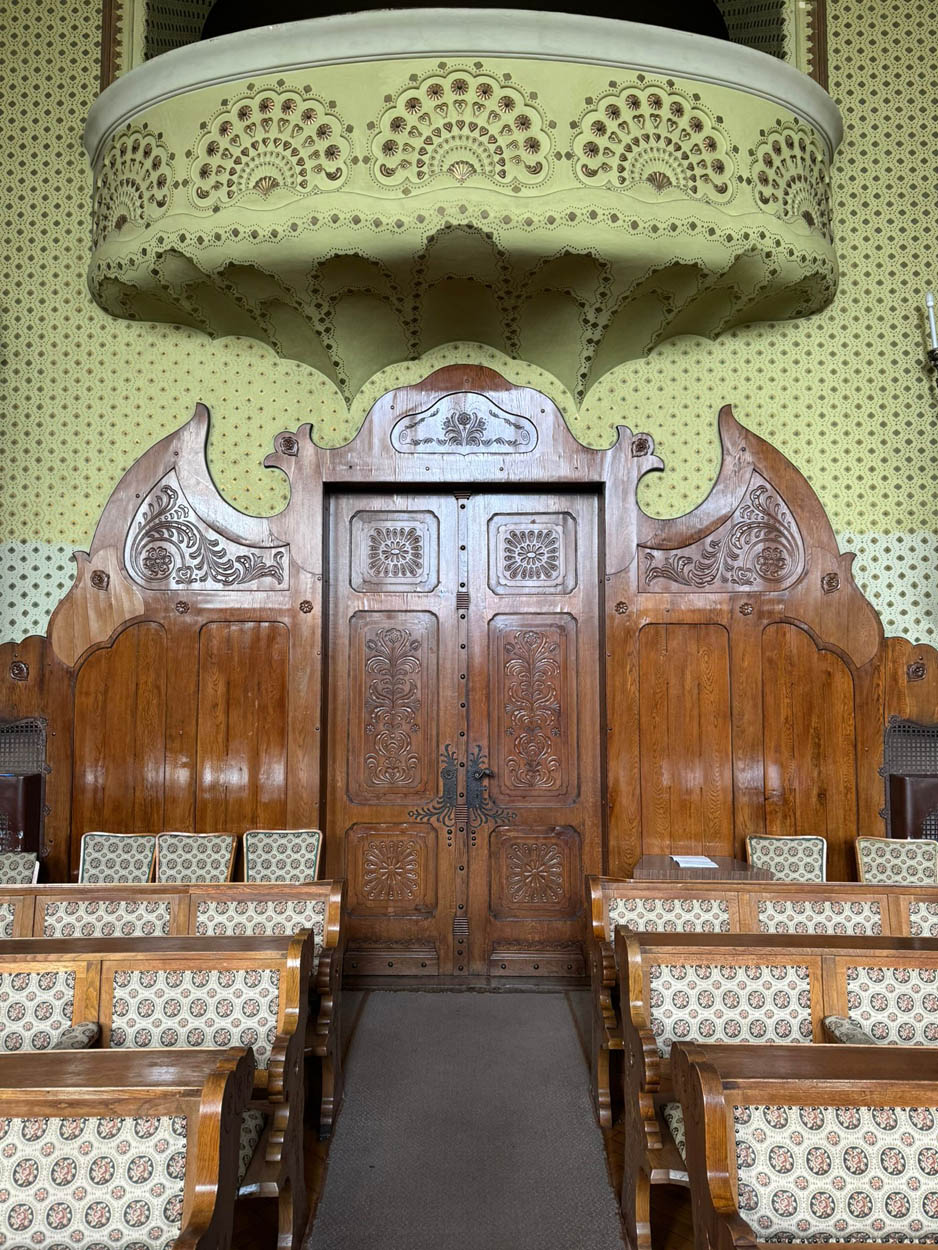
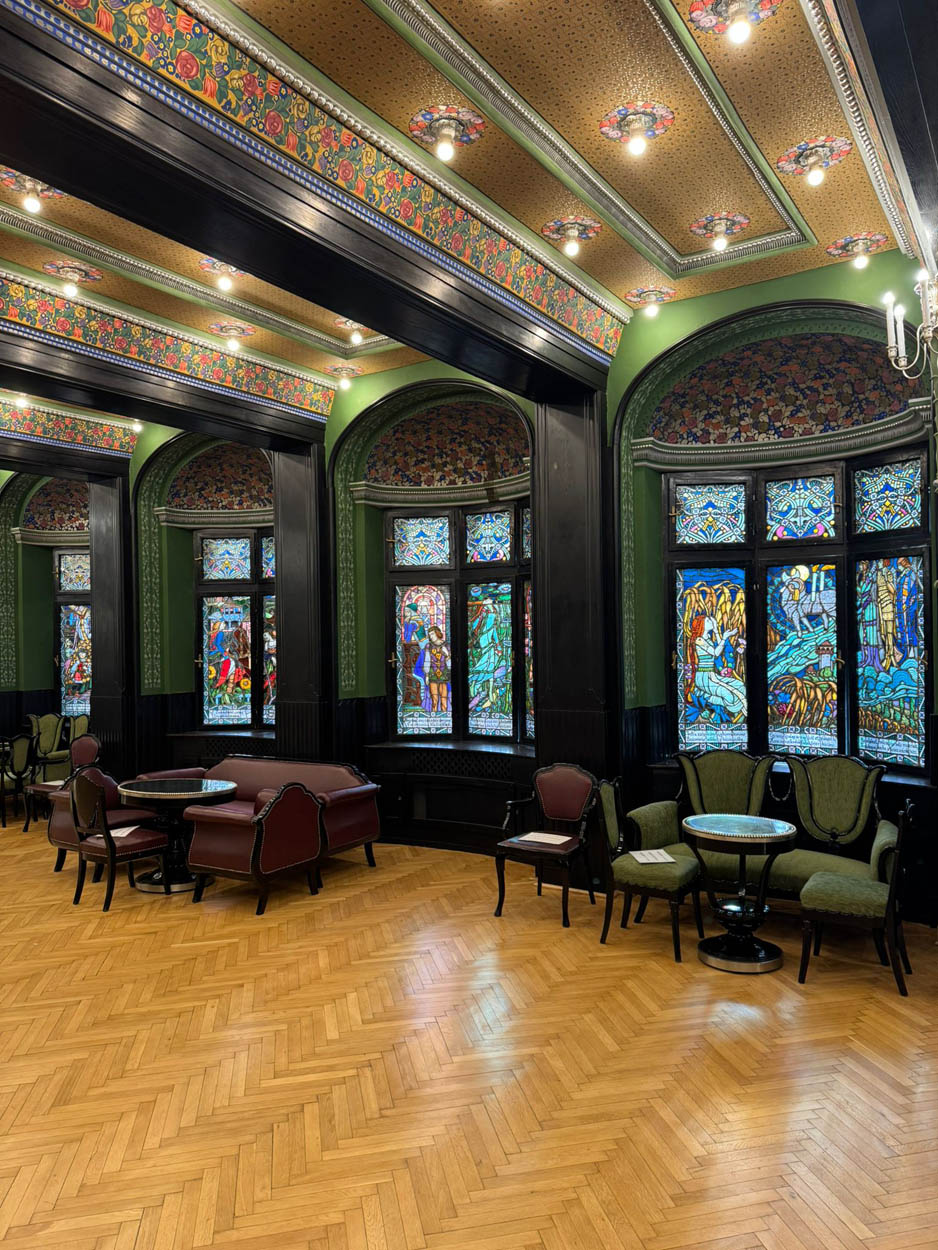
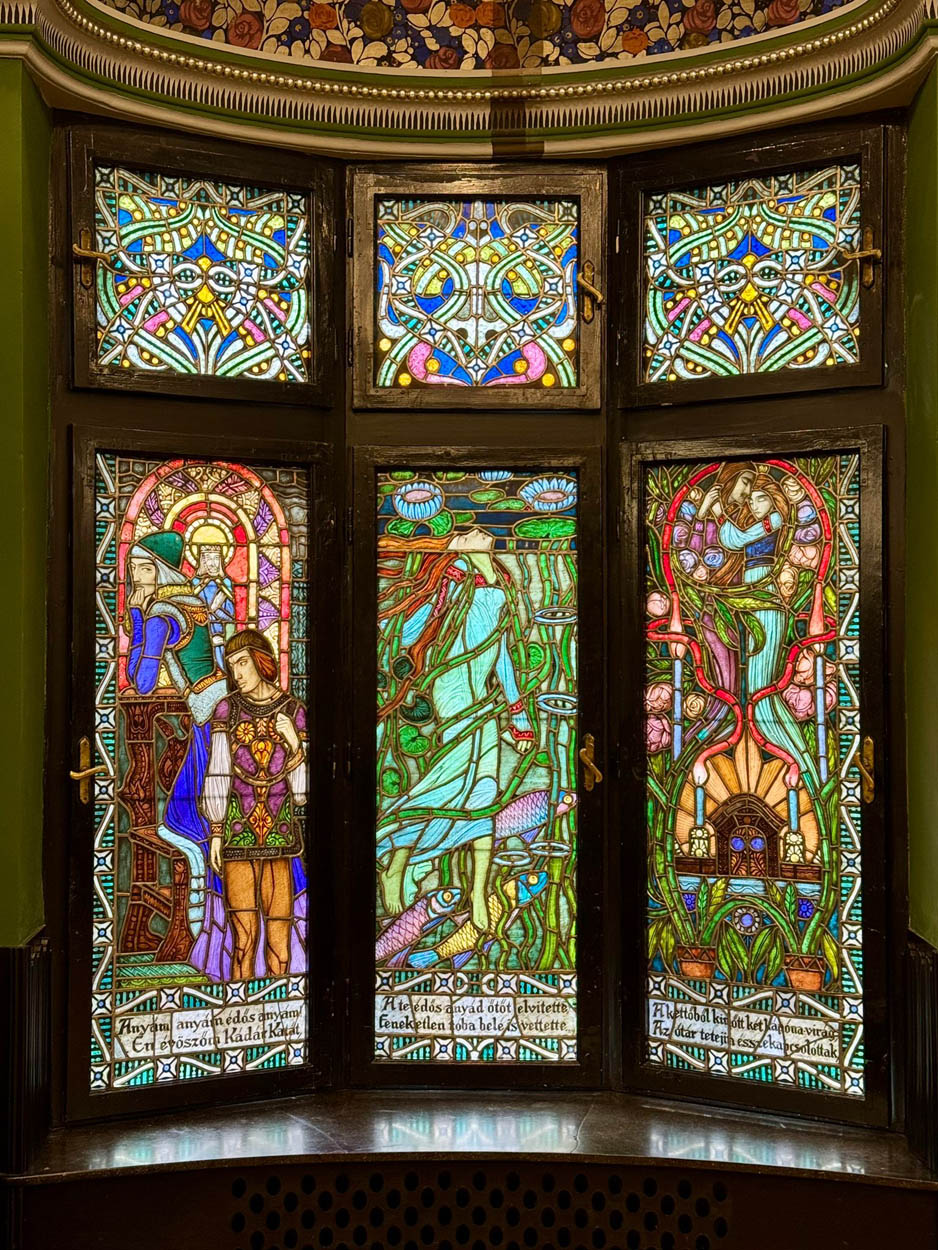
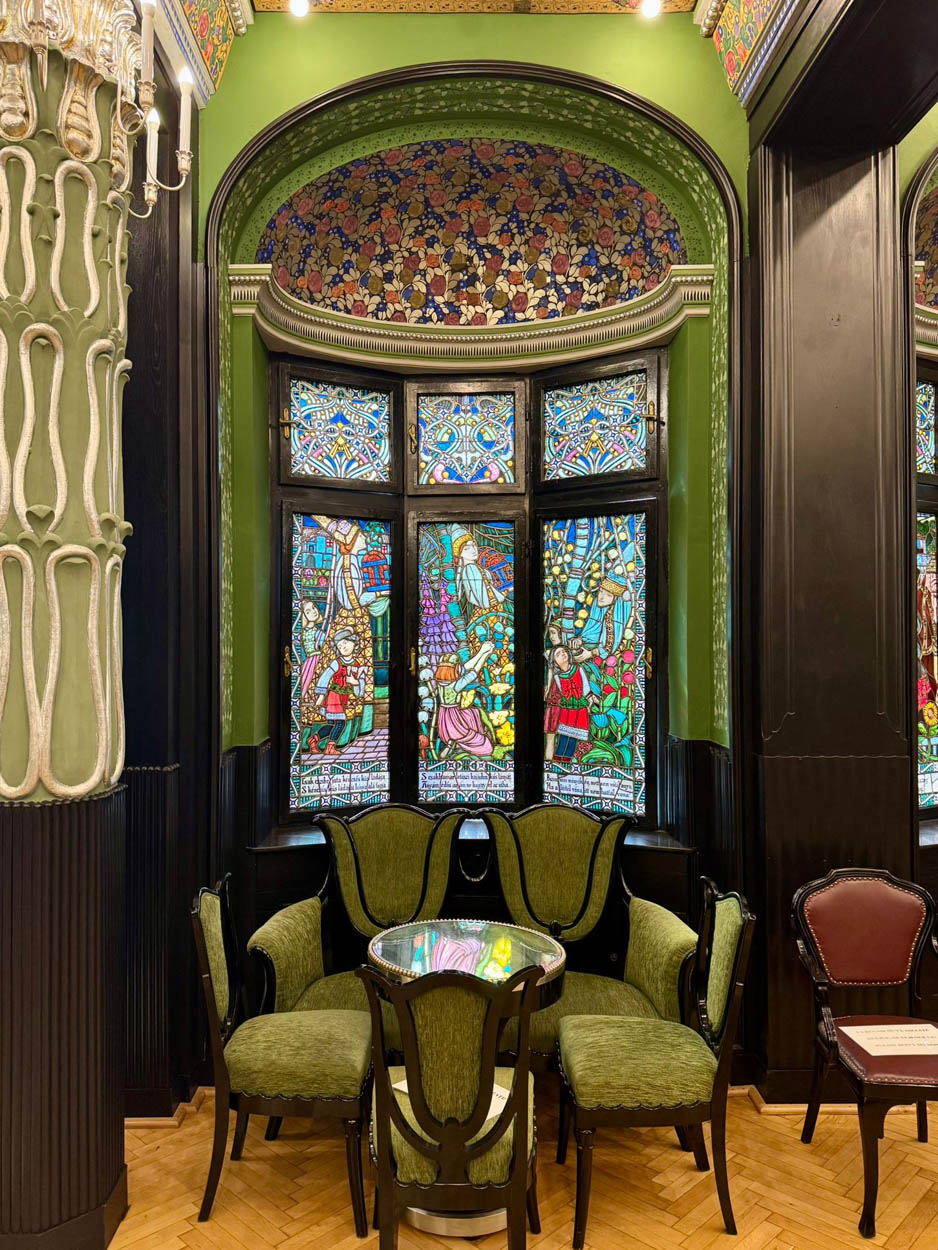
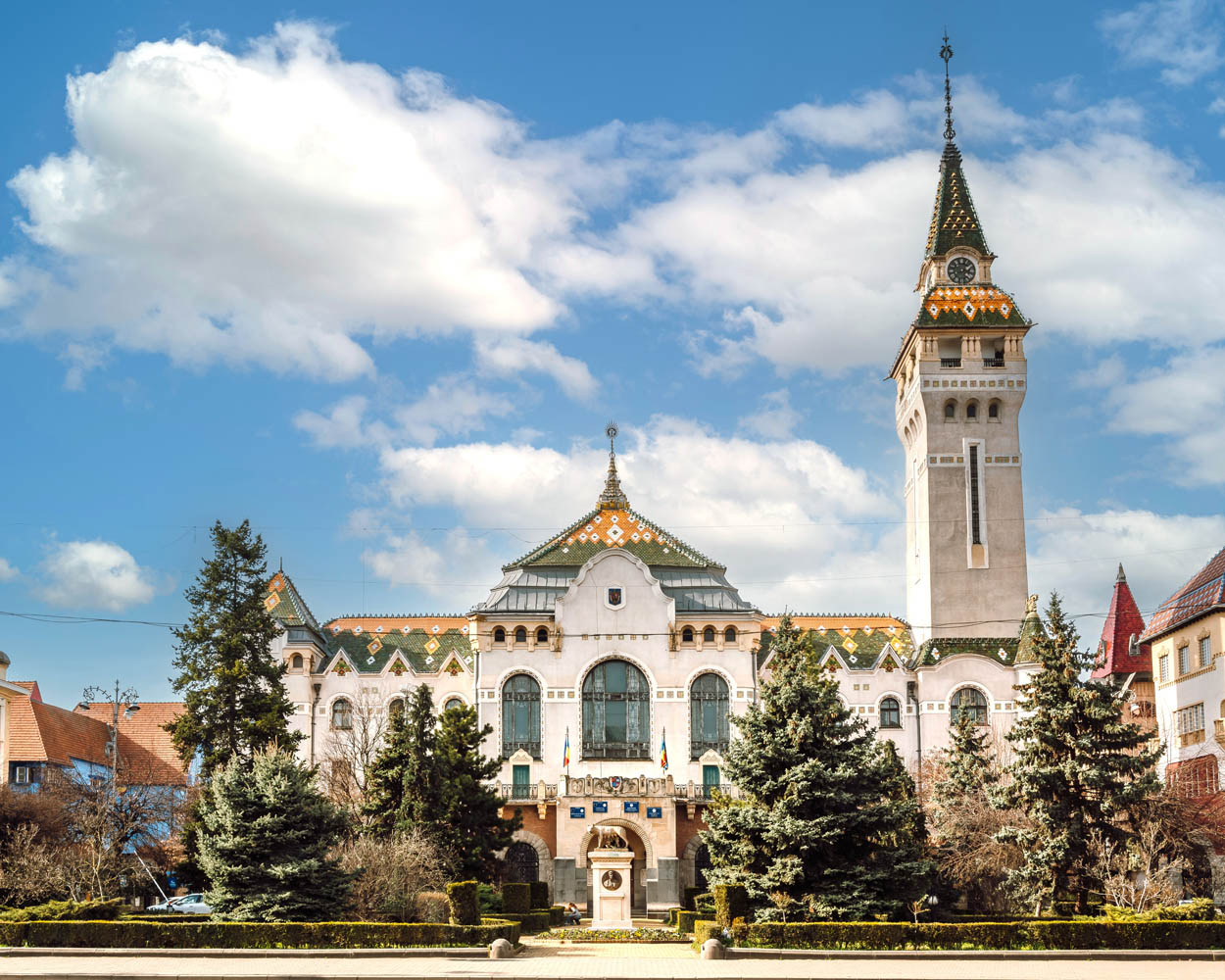
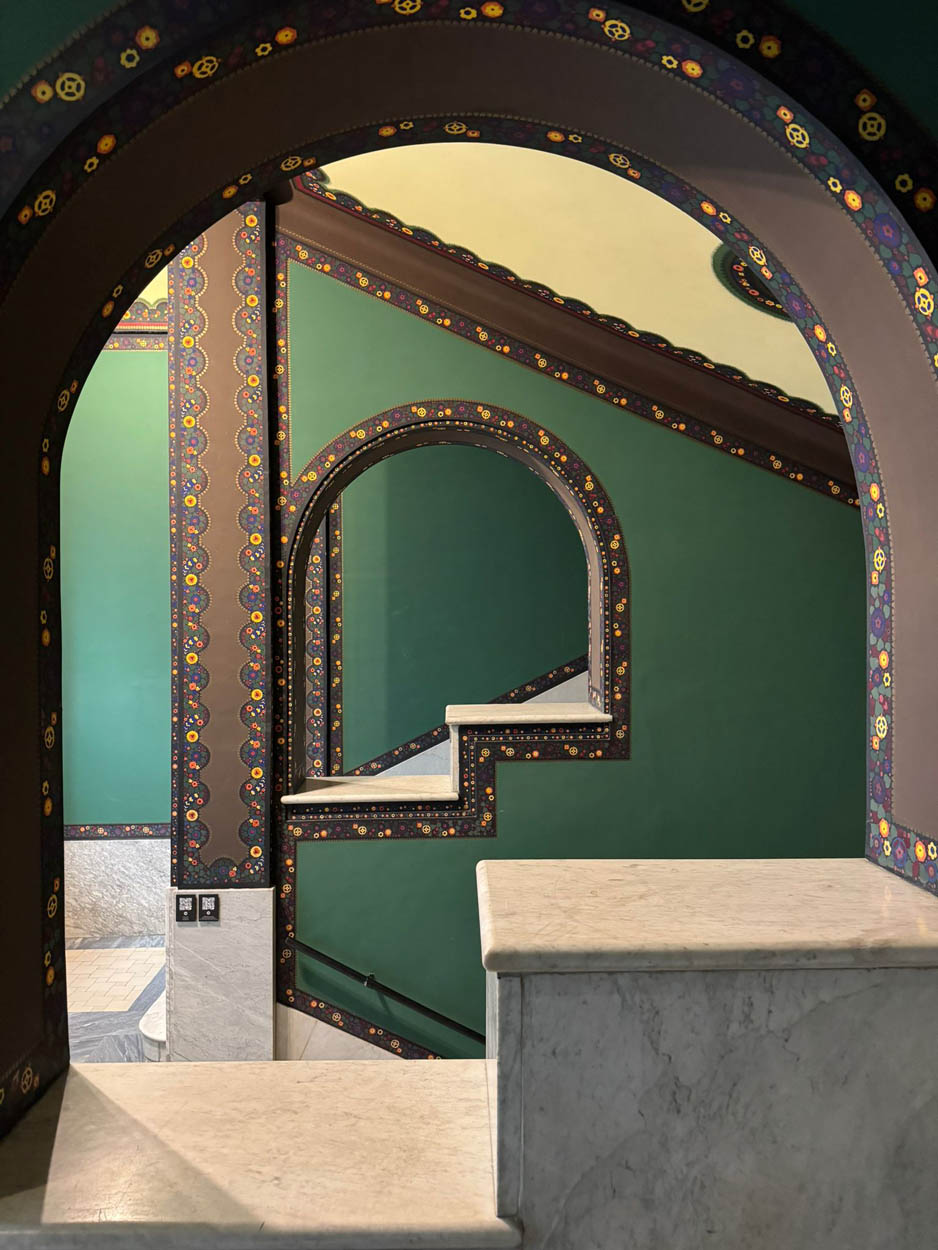
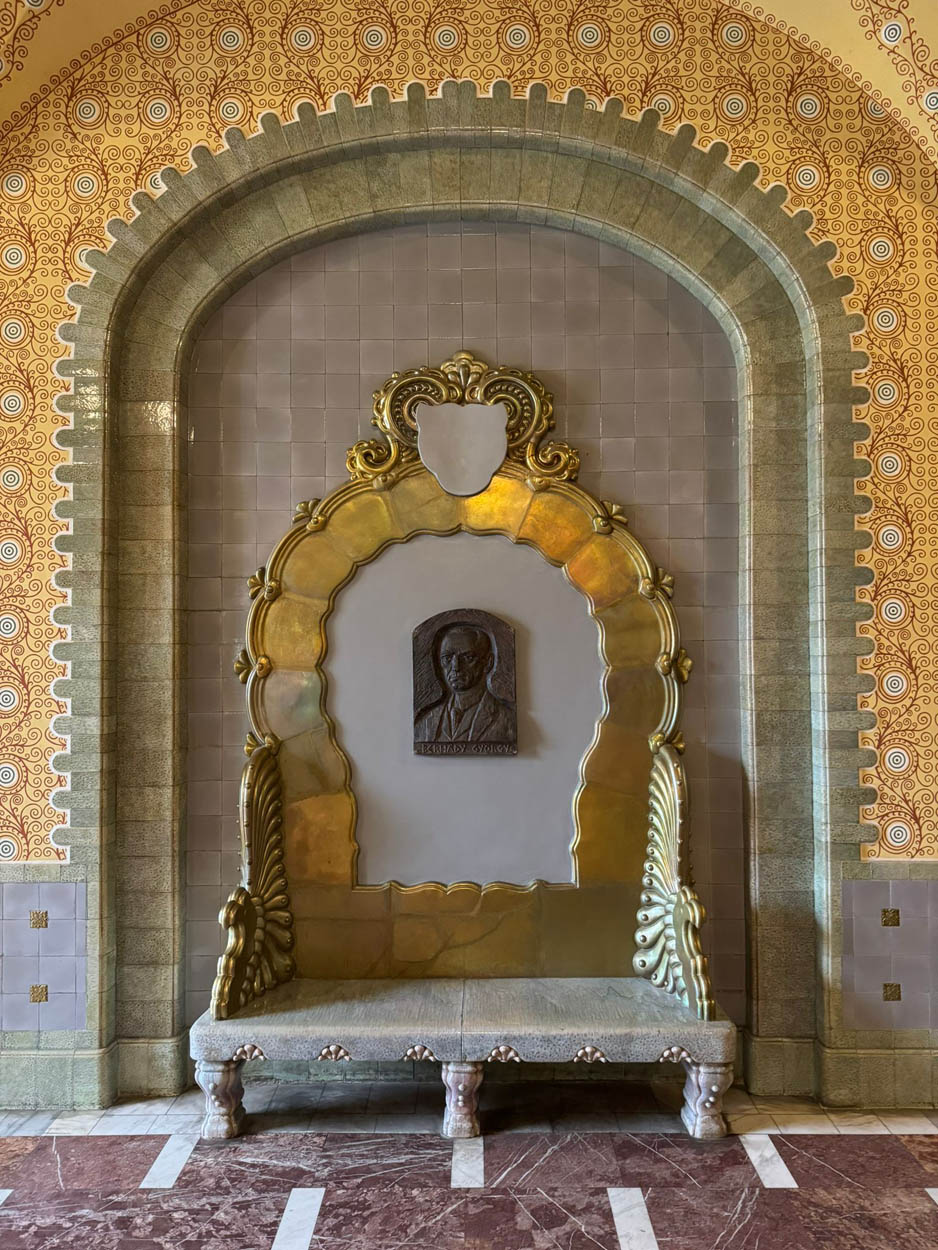
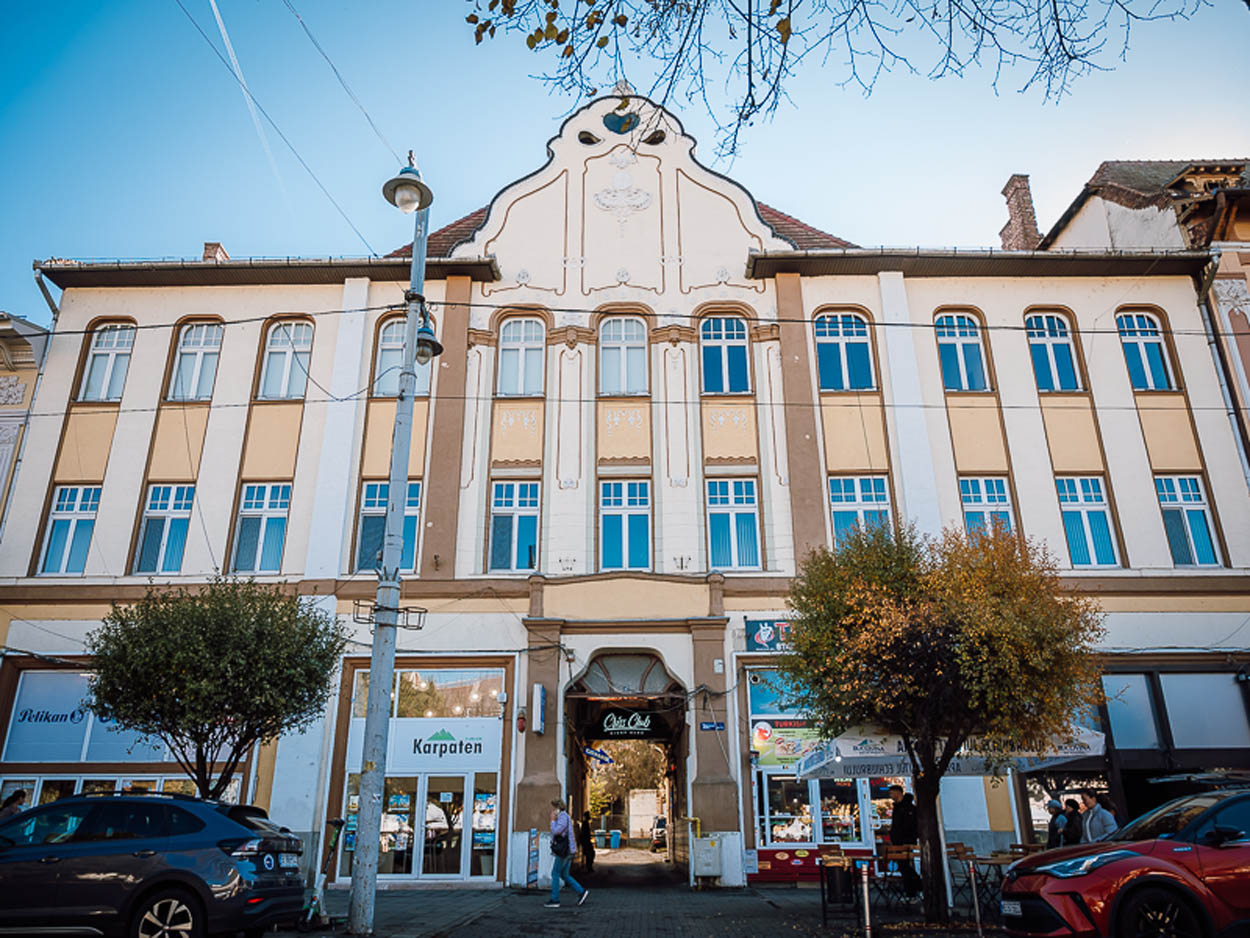
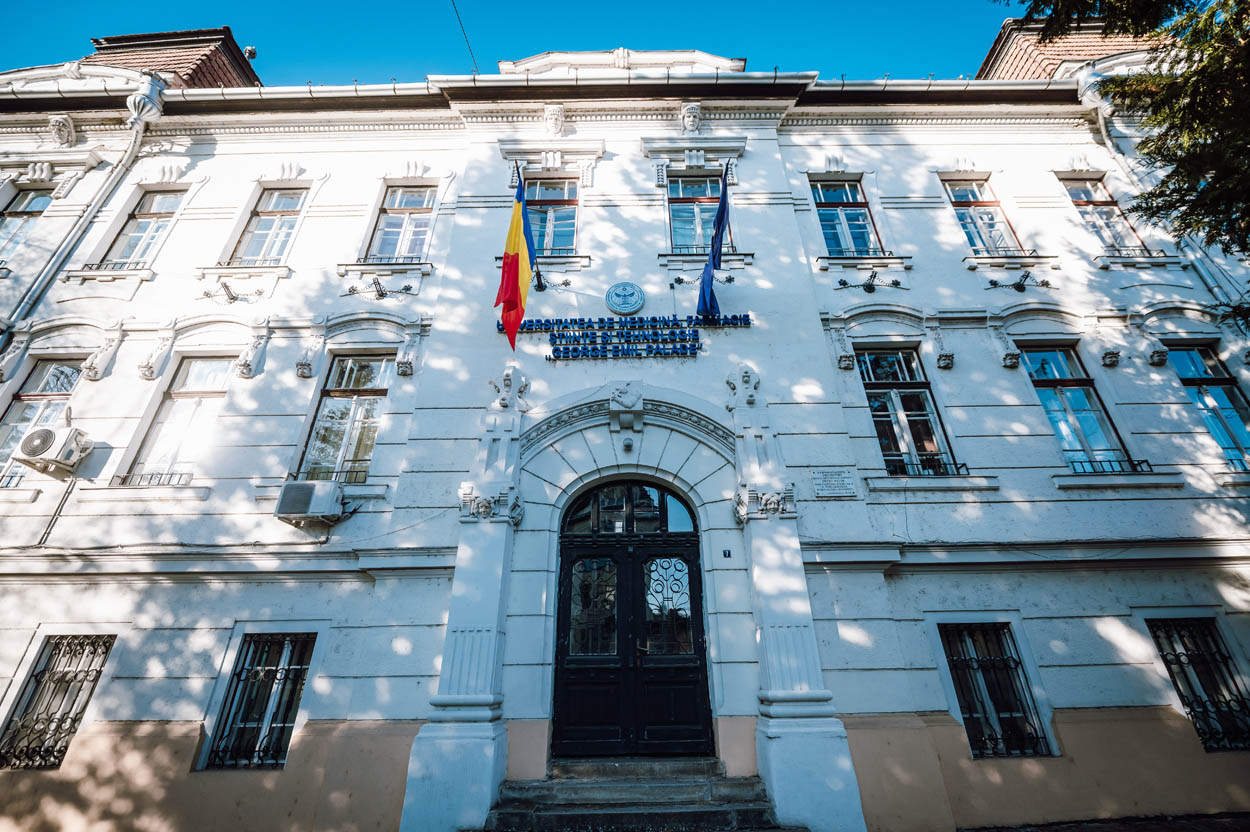
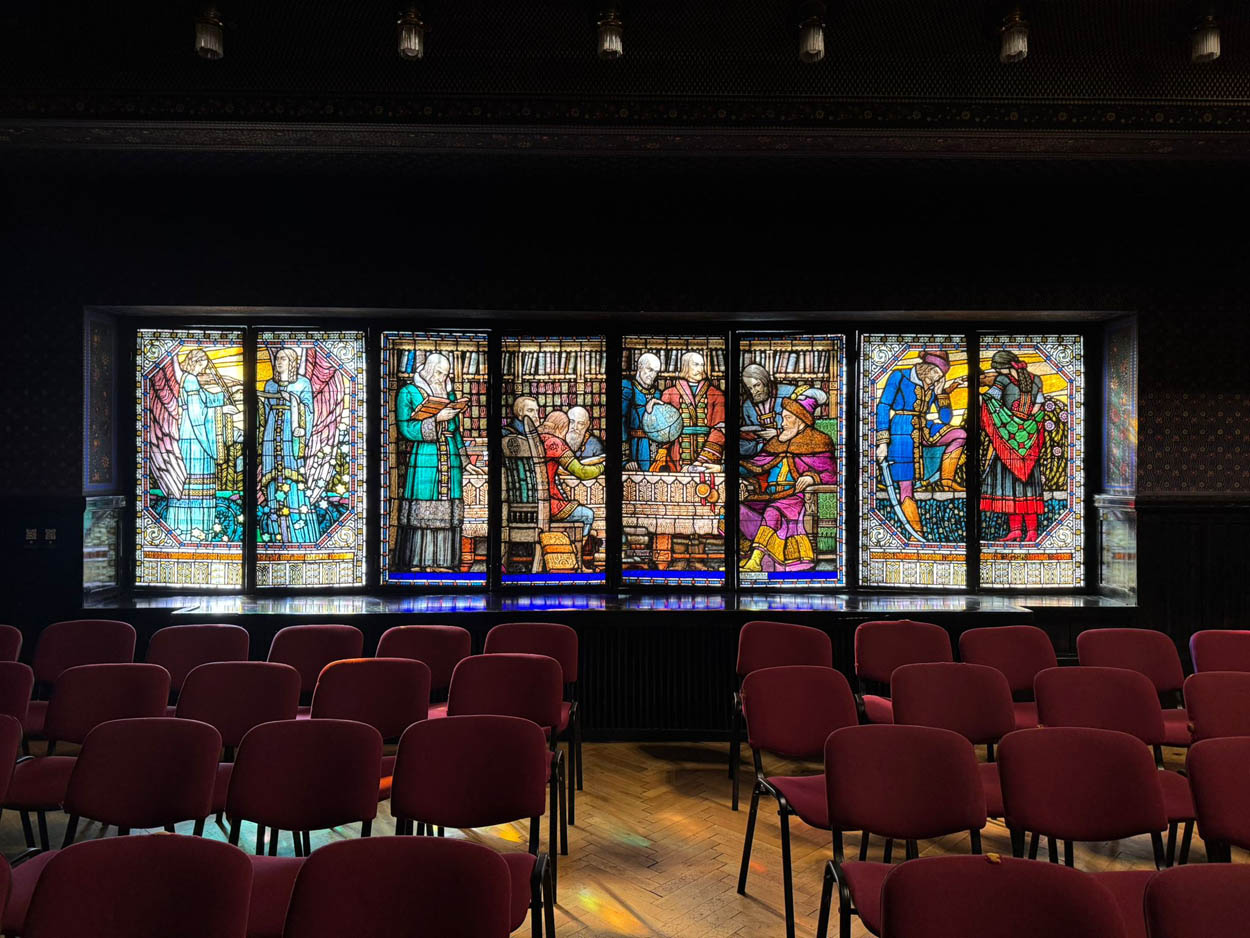
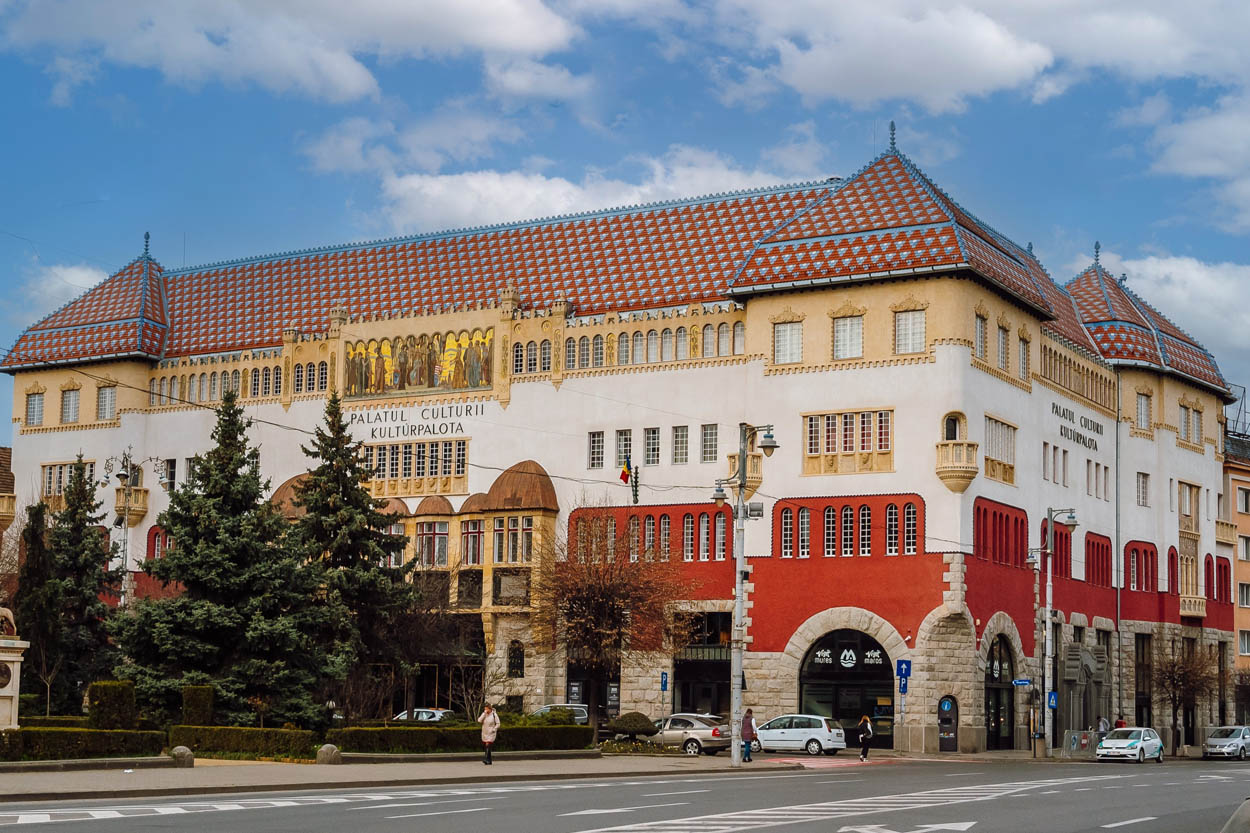
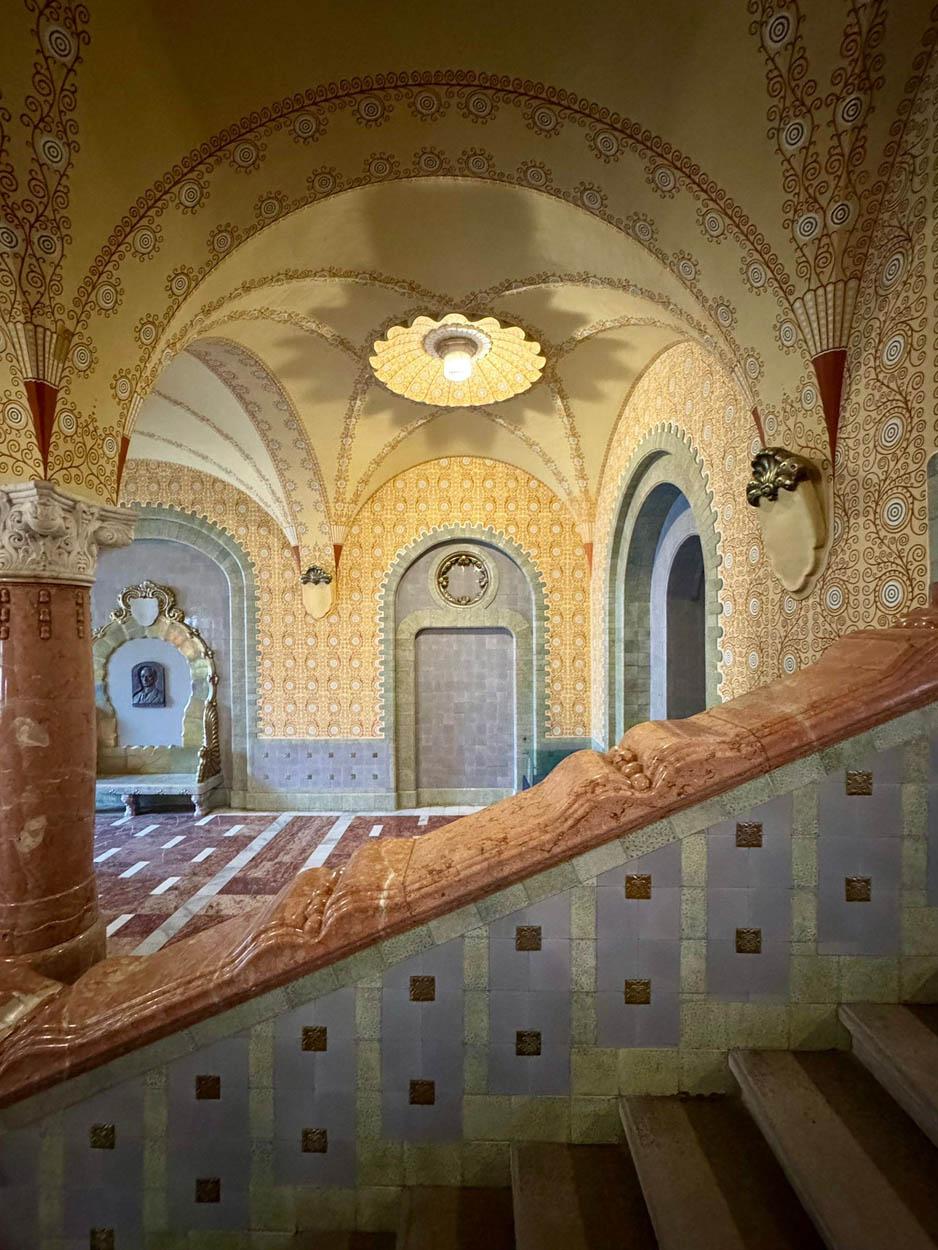
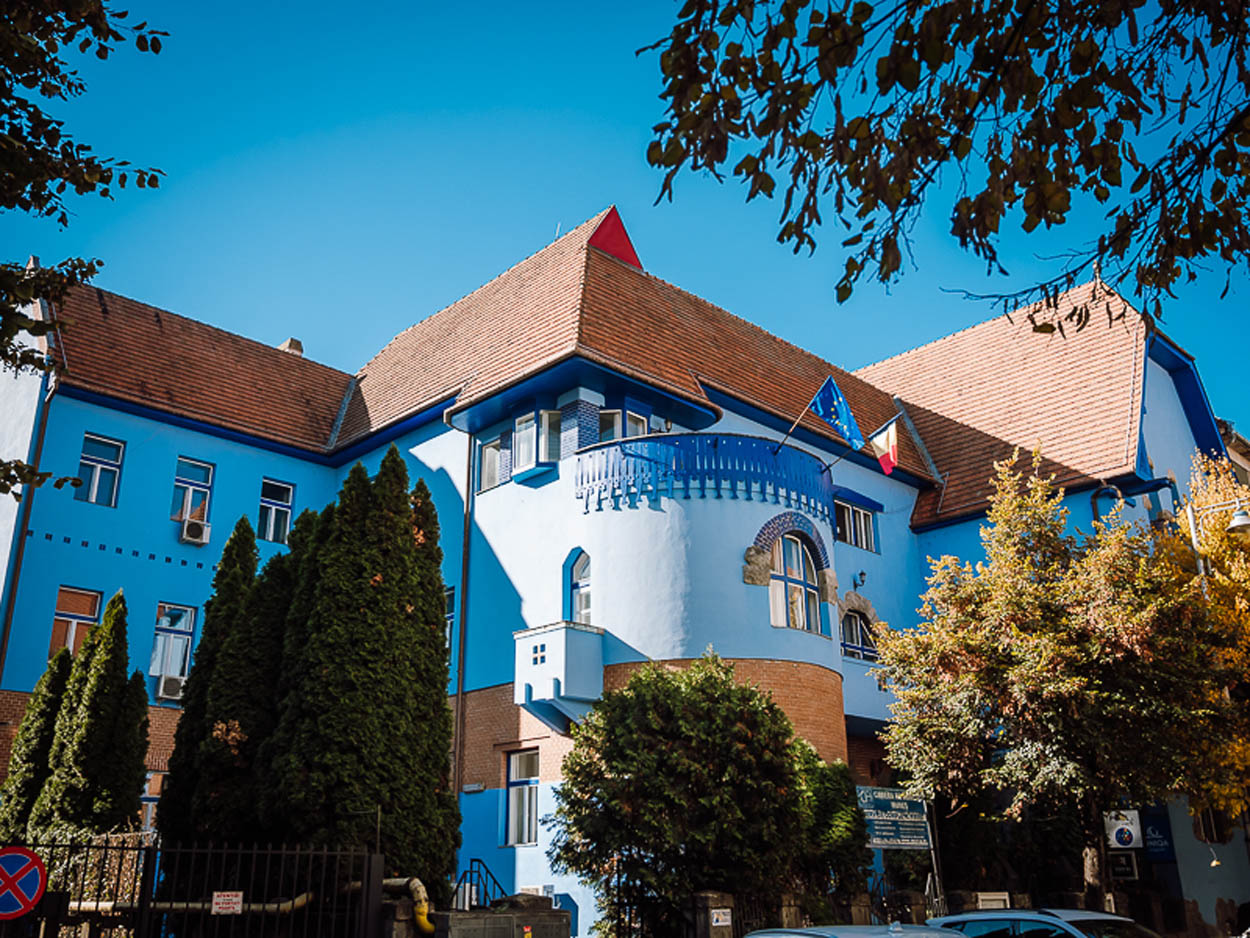
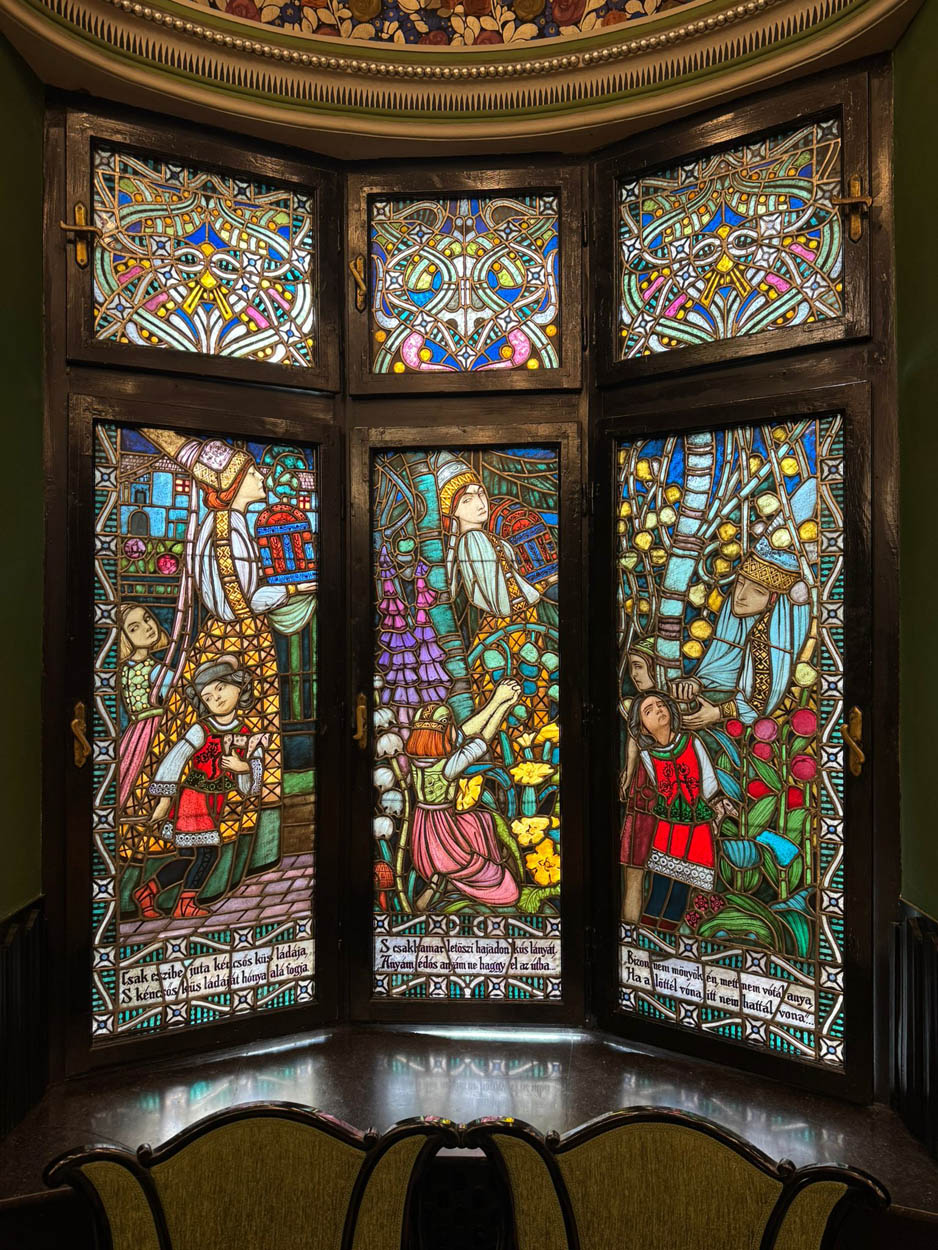
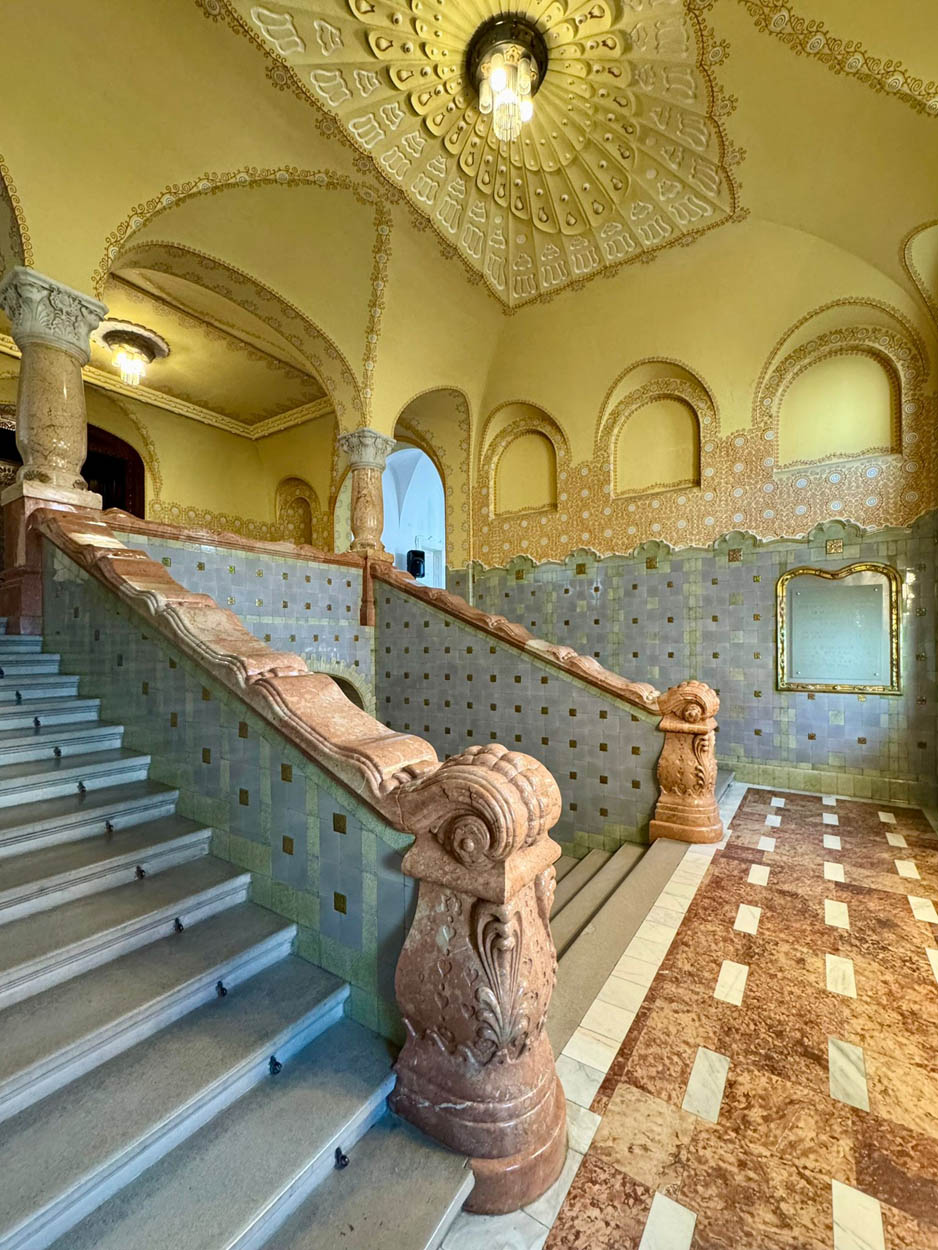
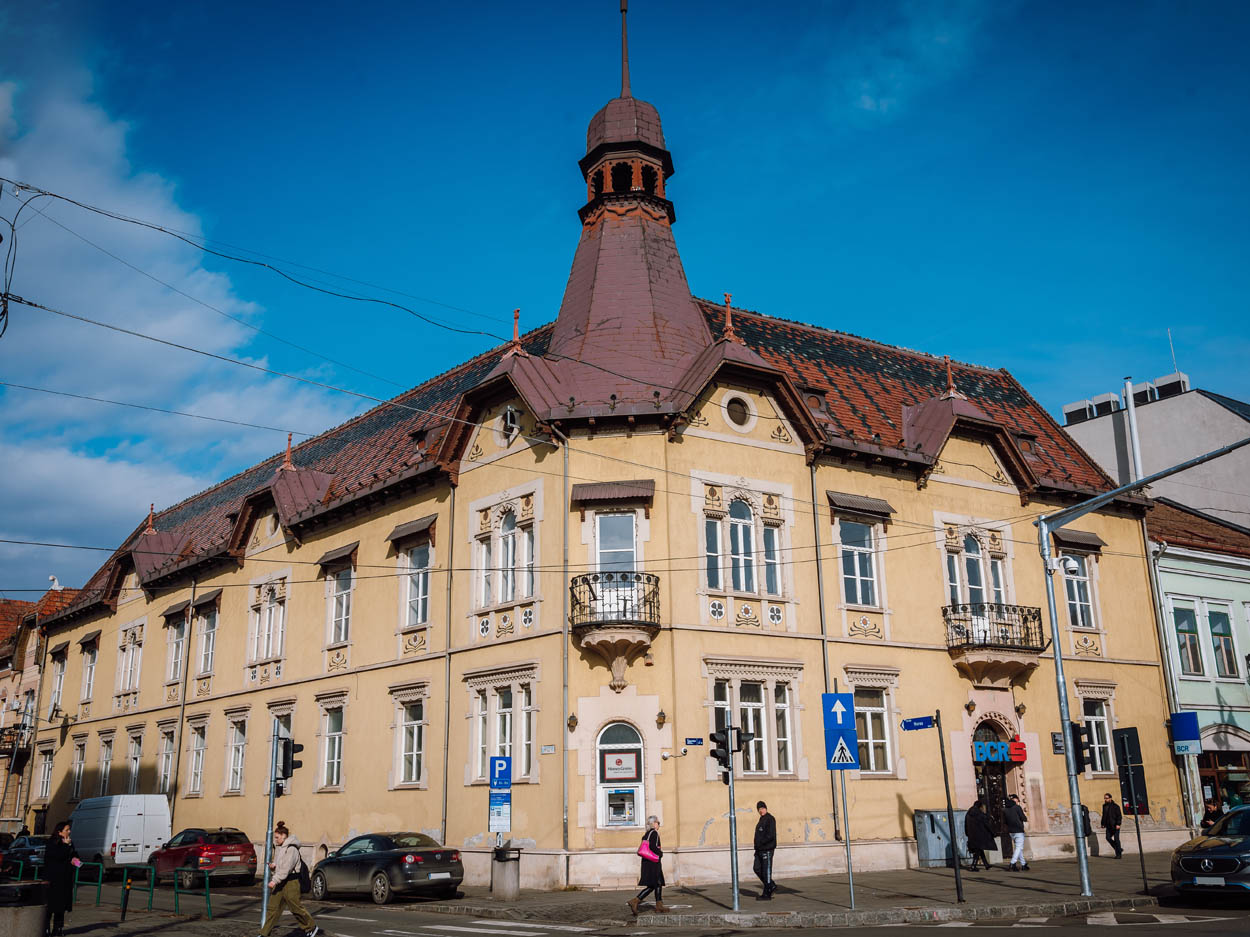
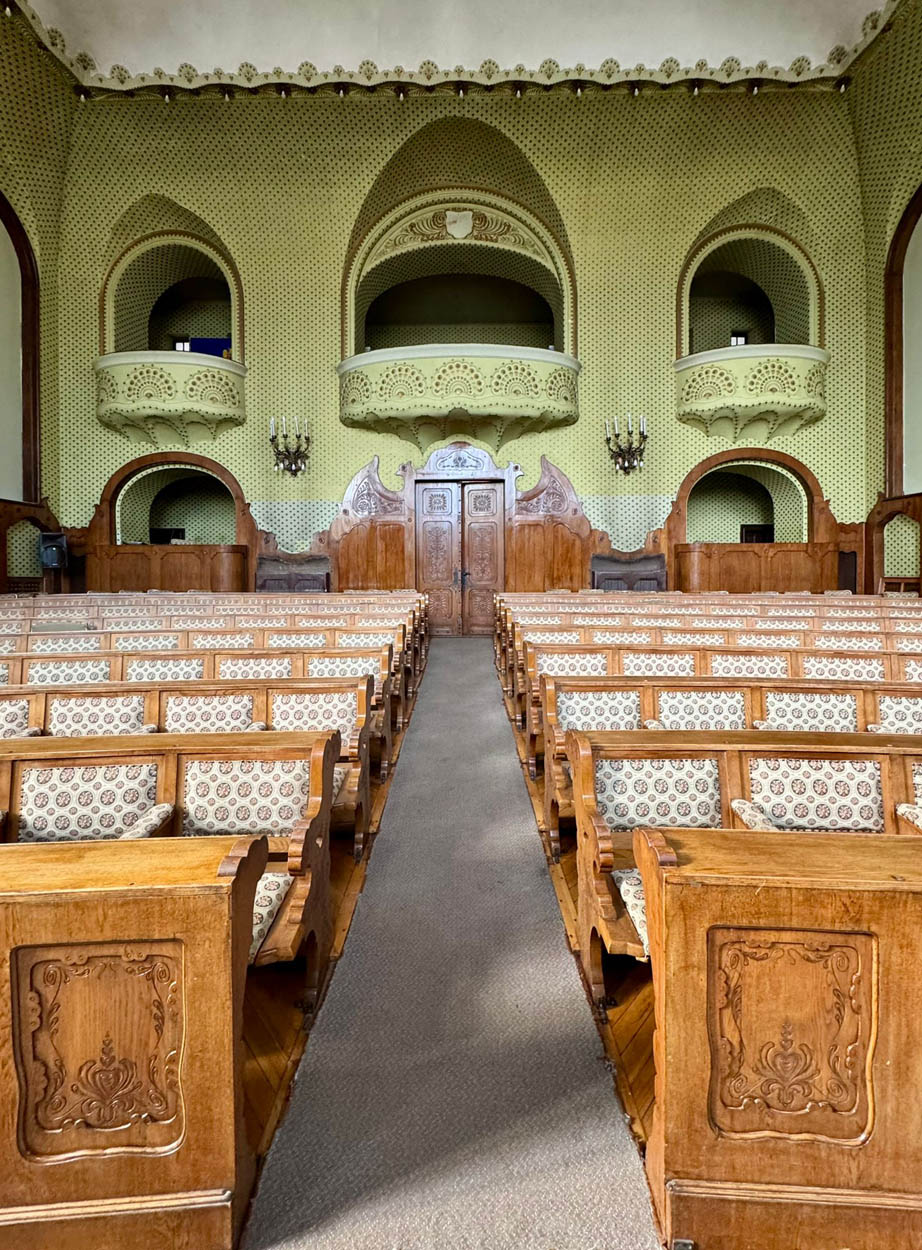
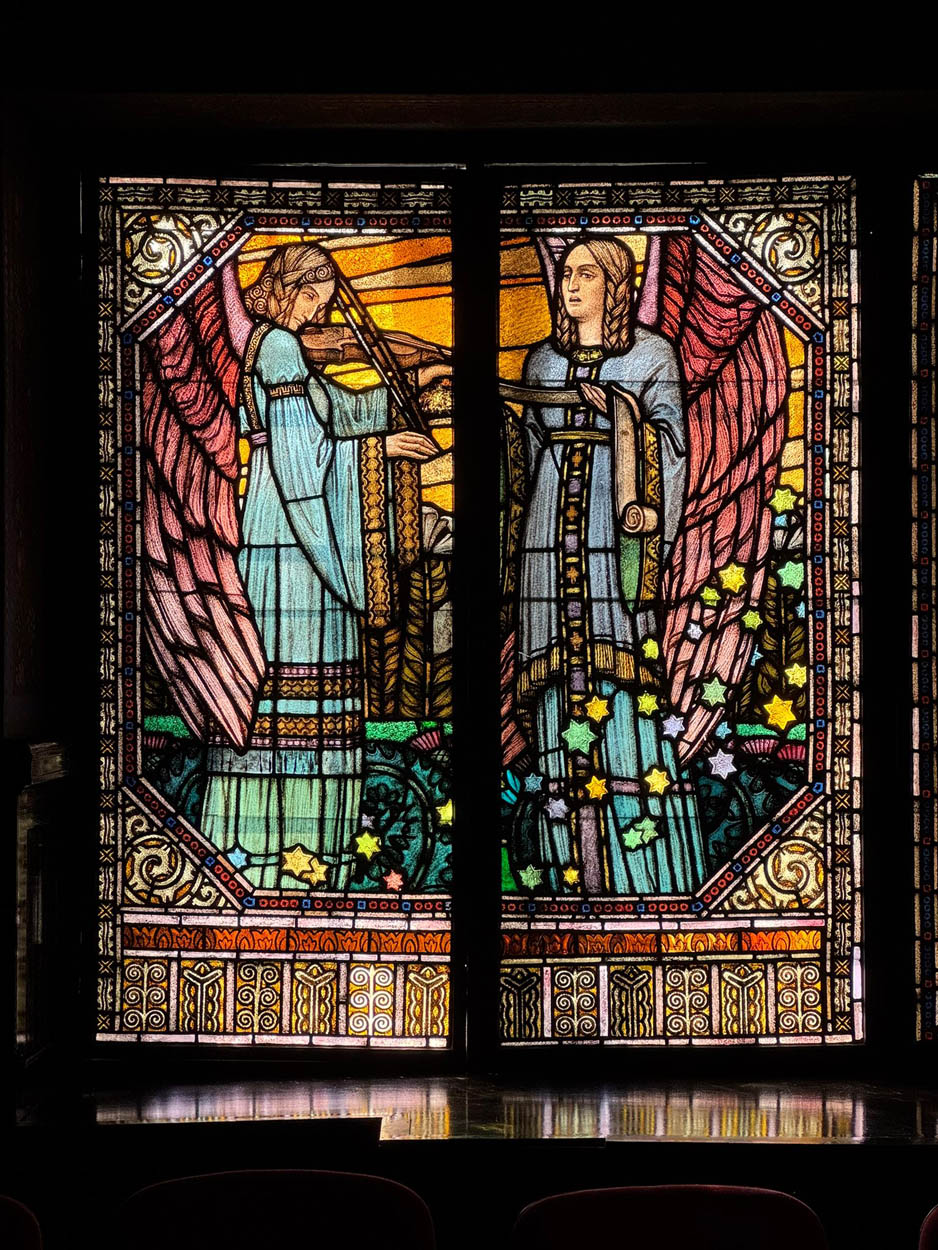
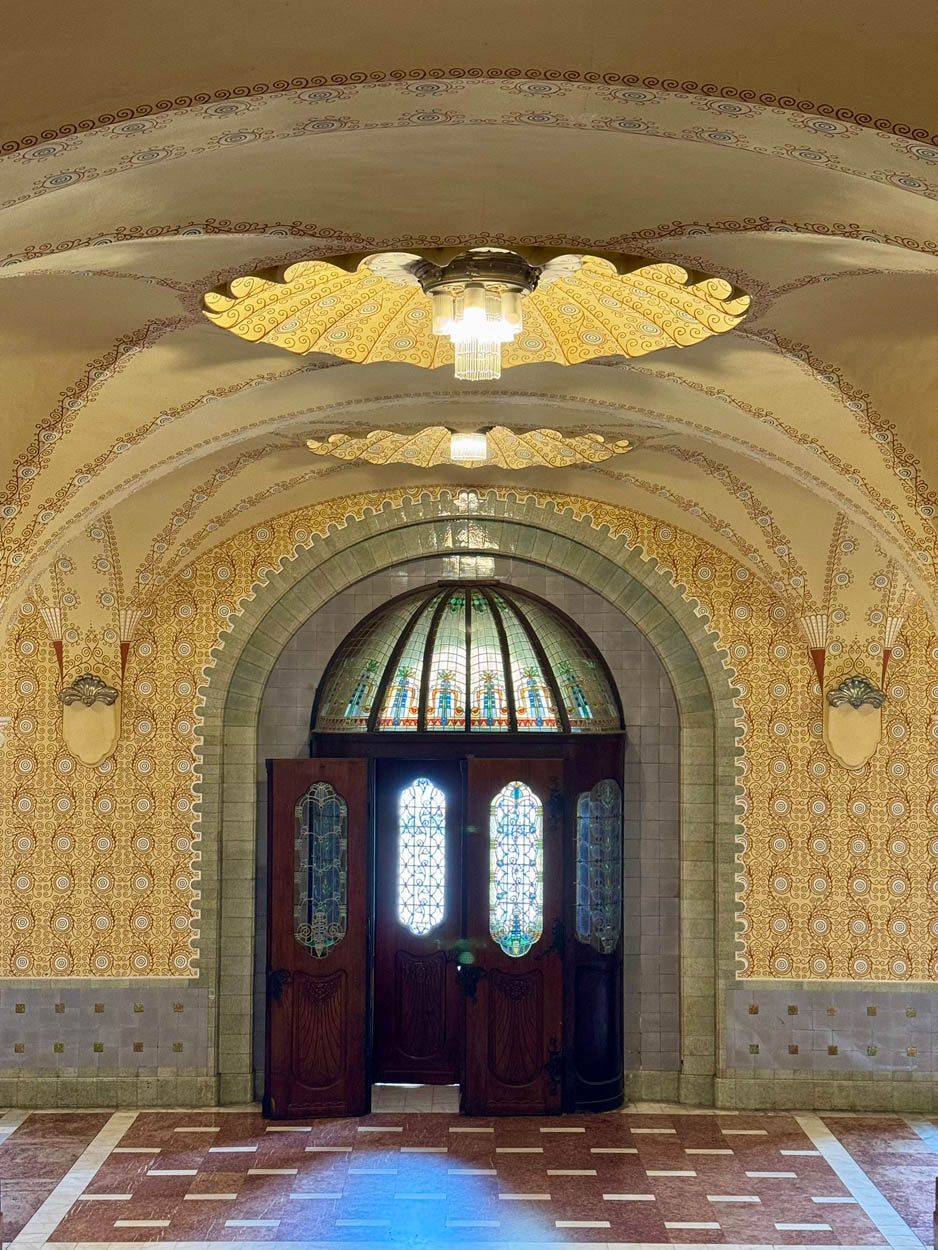
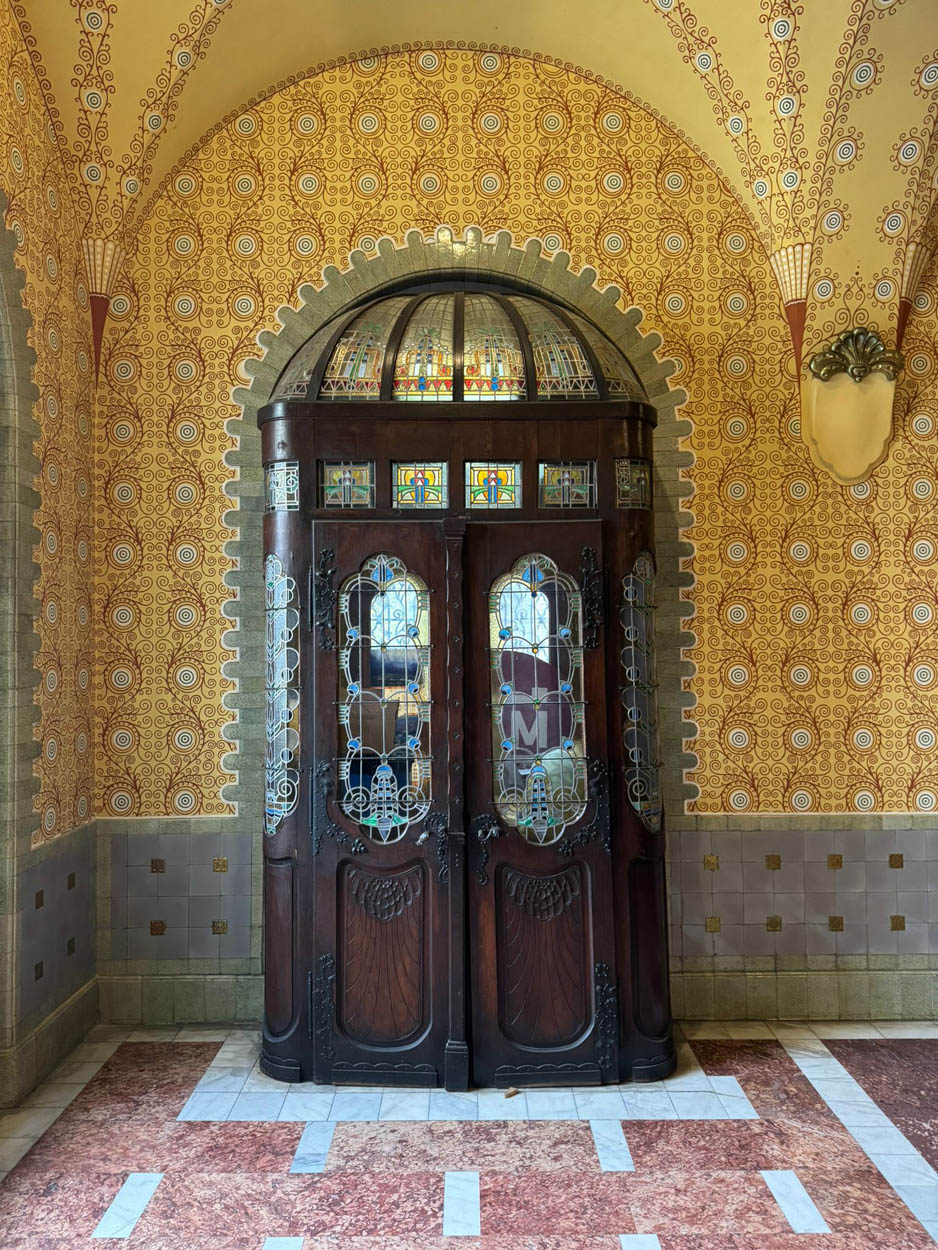
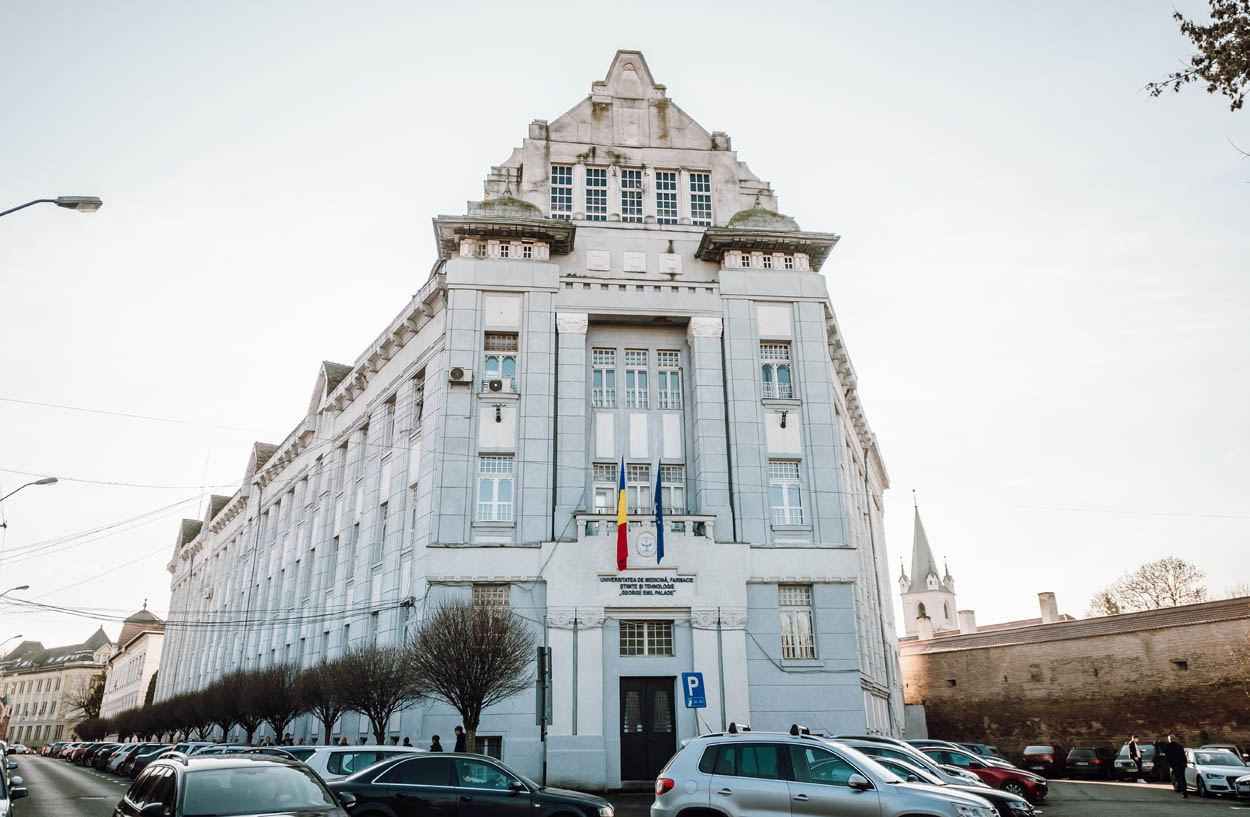
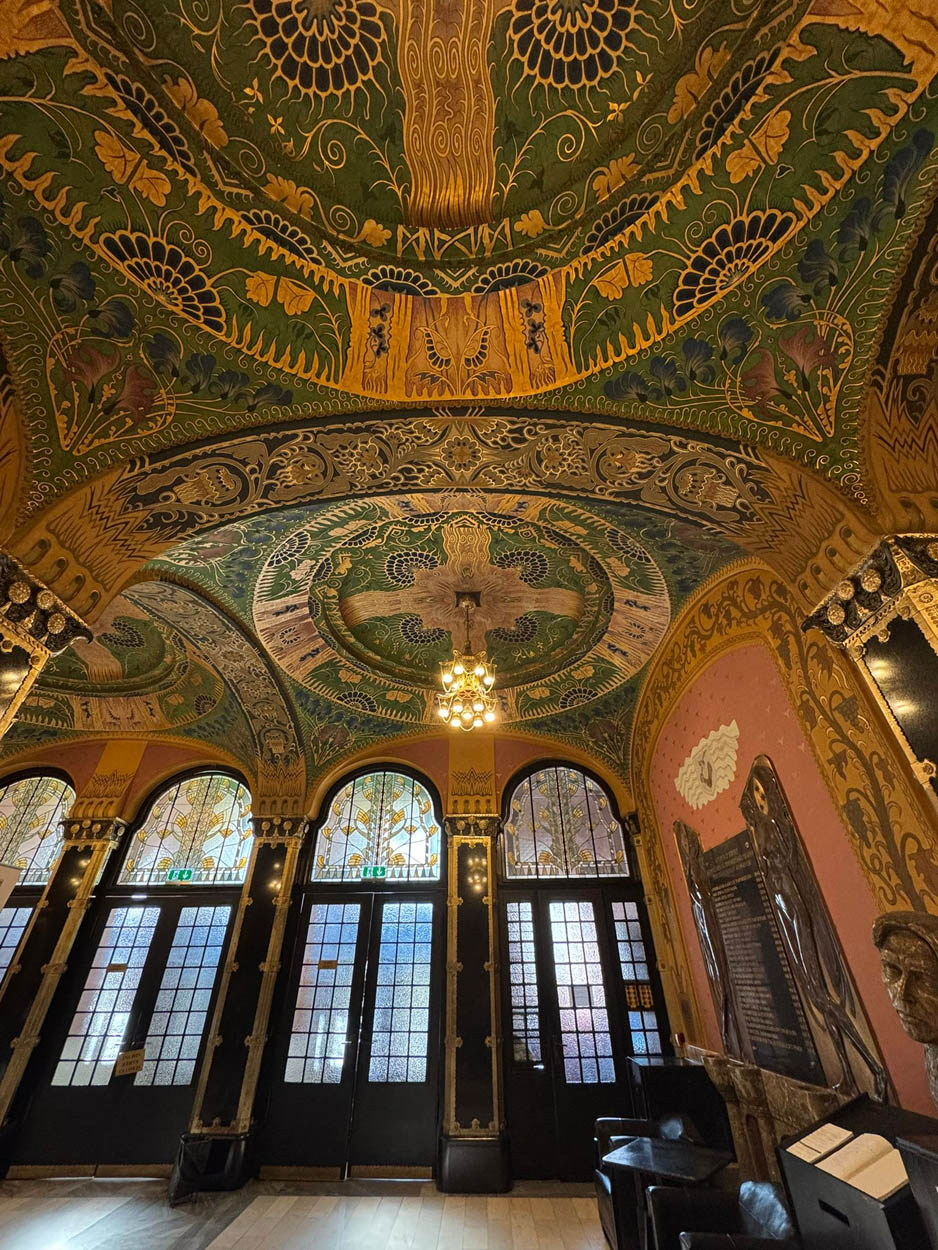
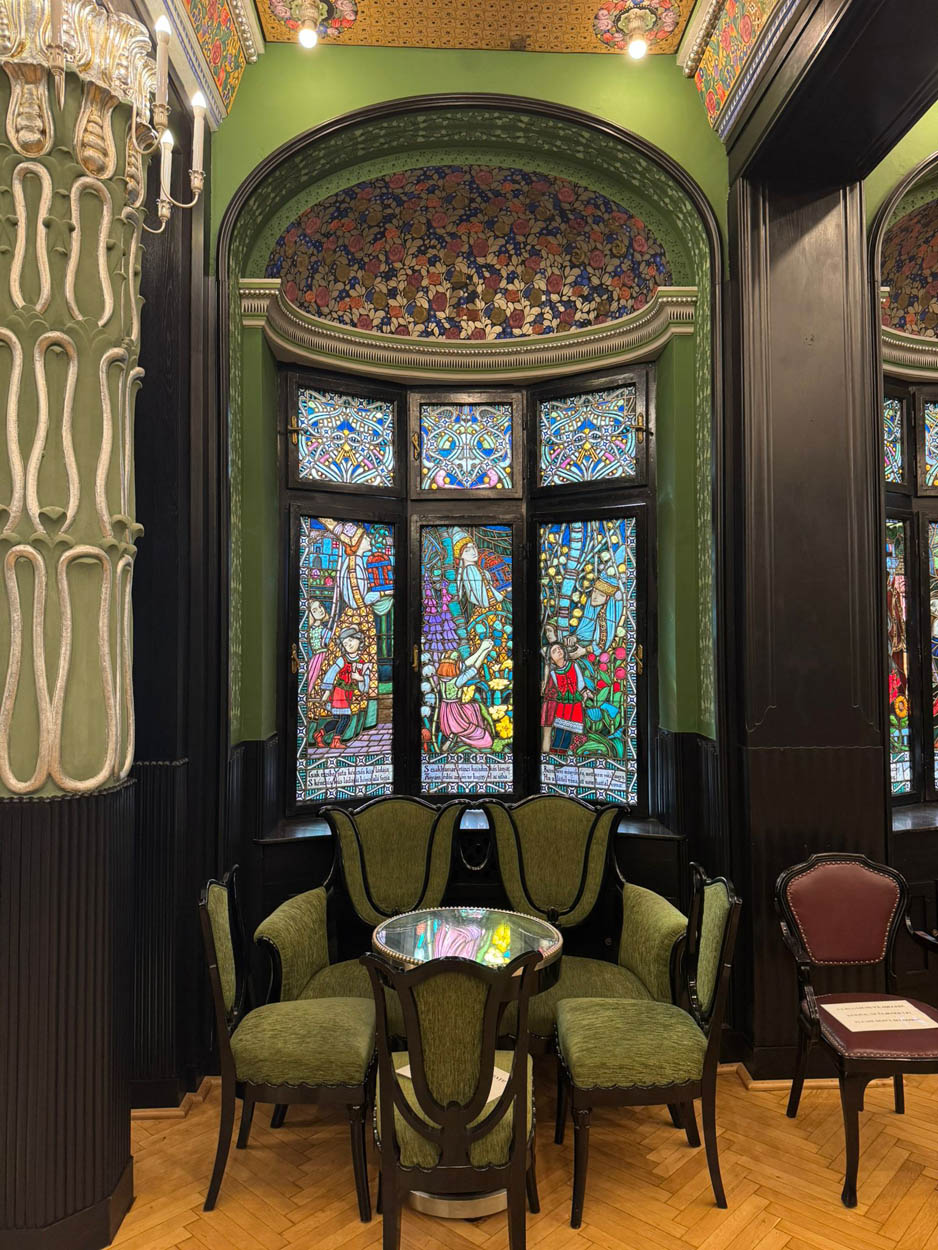
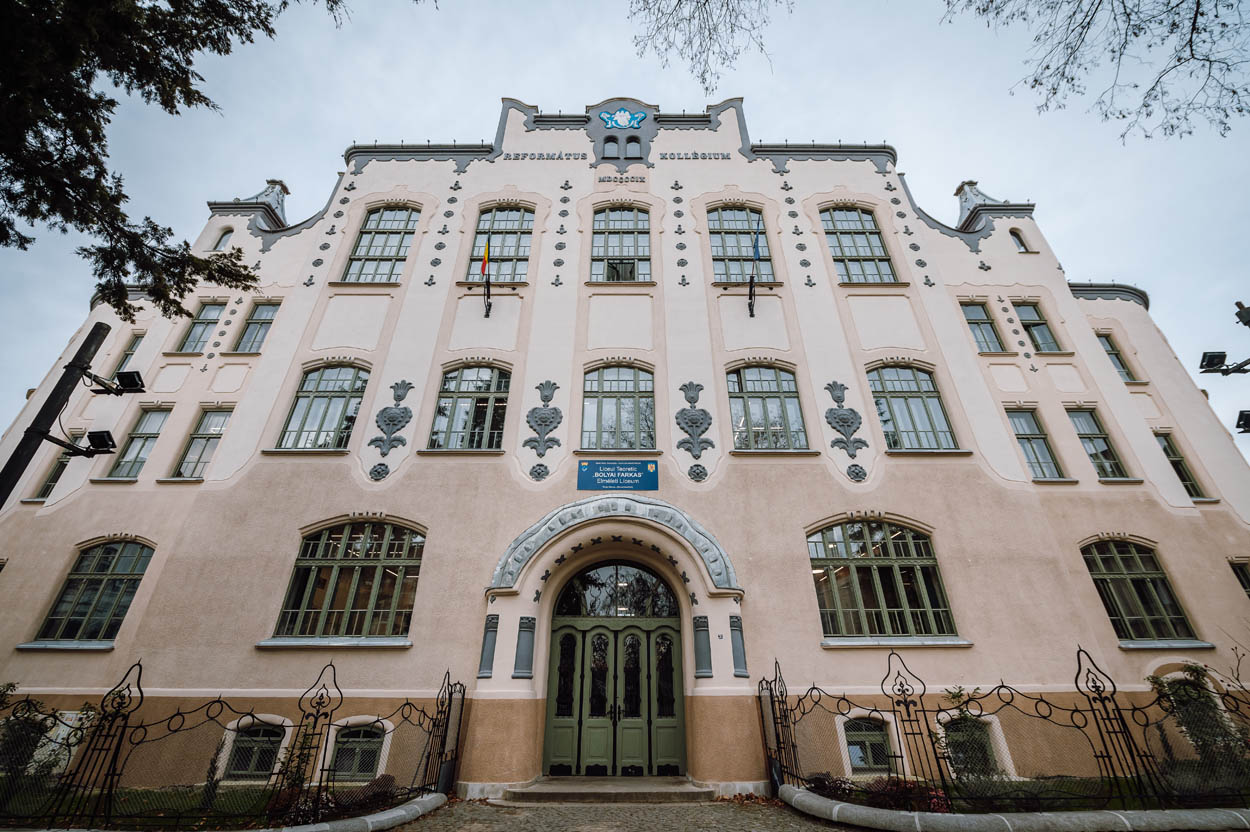
Today, approximately 150 Art Nouveau buildings are known in Târgu Mureș, making it an exceptional open-air repository of the Hungarian Secession. The most significant ensemble is the City Hall (1906–1908) and the Palace of Culture (1911–1913), both designed by the eminent architects Marcell Komor and Dezső Jakab. These monumental civic buildings fuse the folk-inspired ornamentation of the Hungarian national romantic tradition with the universalist aspirations of early modernism. The Palace of Culture stands as a major Gesamtkunstwerk — a Secession masterpiece conceived as a unified synthesis of architecture, mural painting, stained glass, and decorative arts.
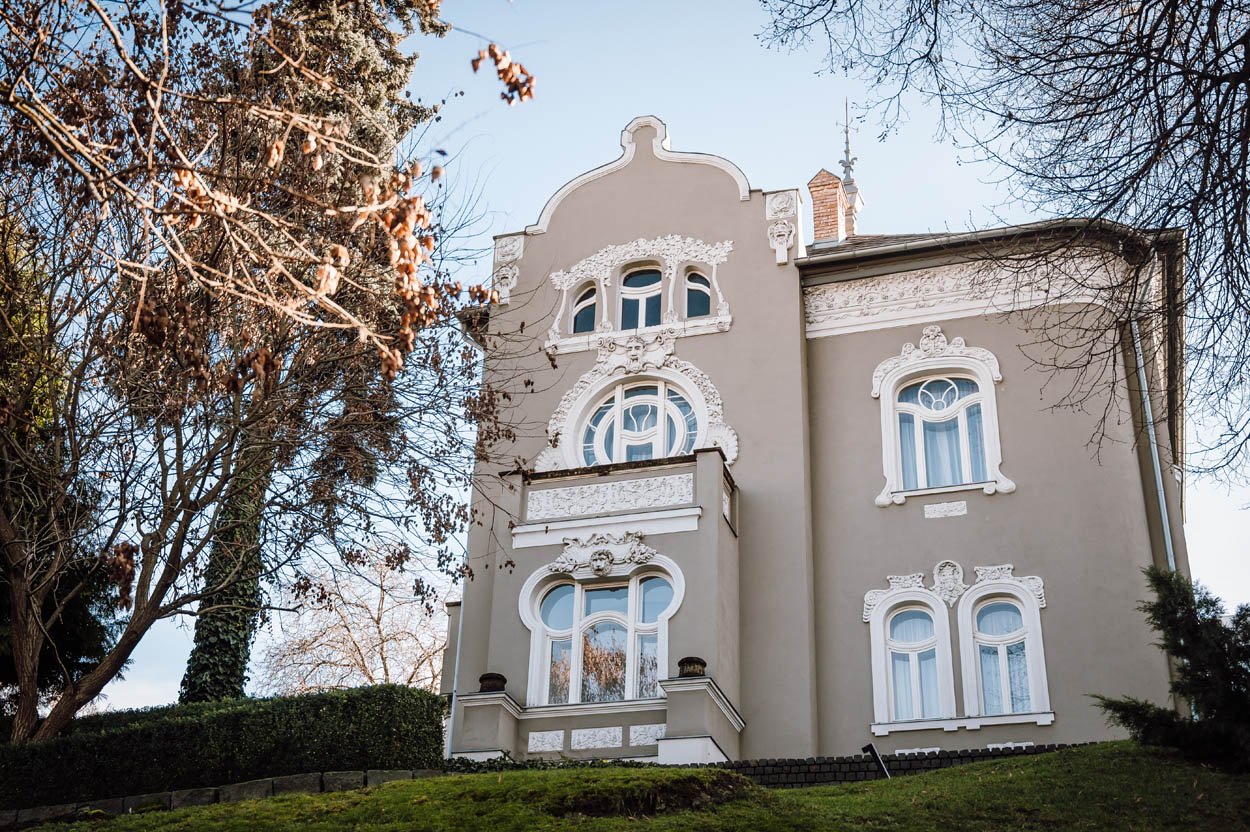
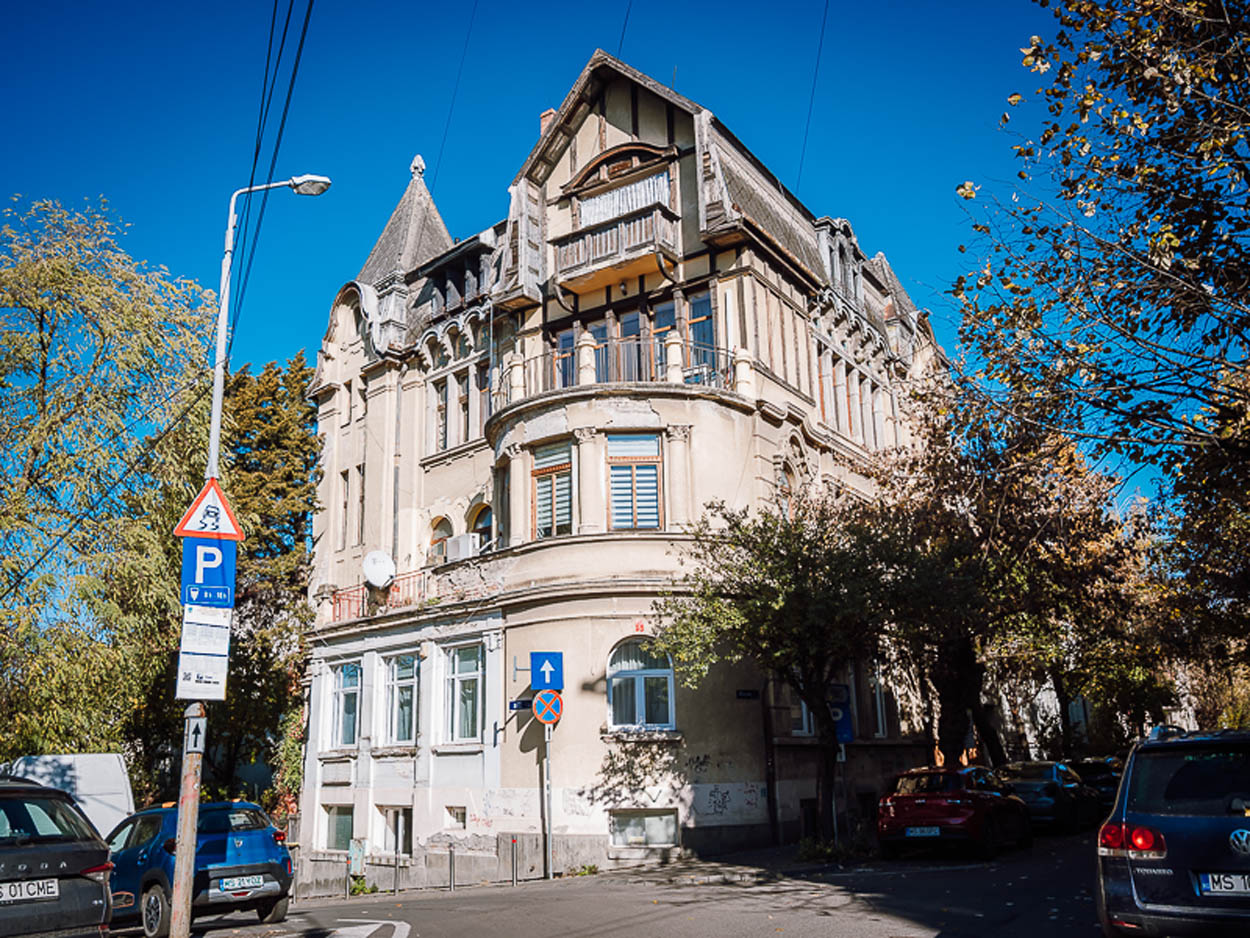
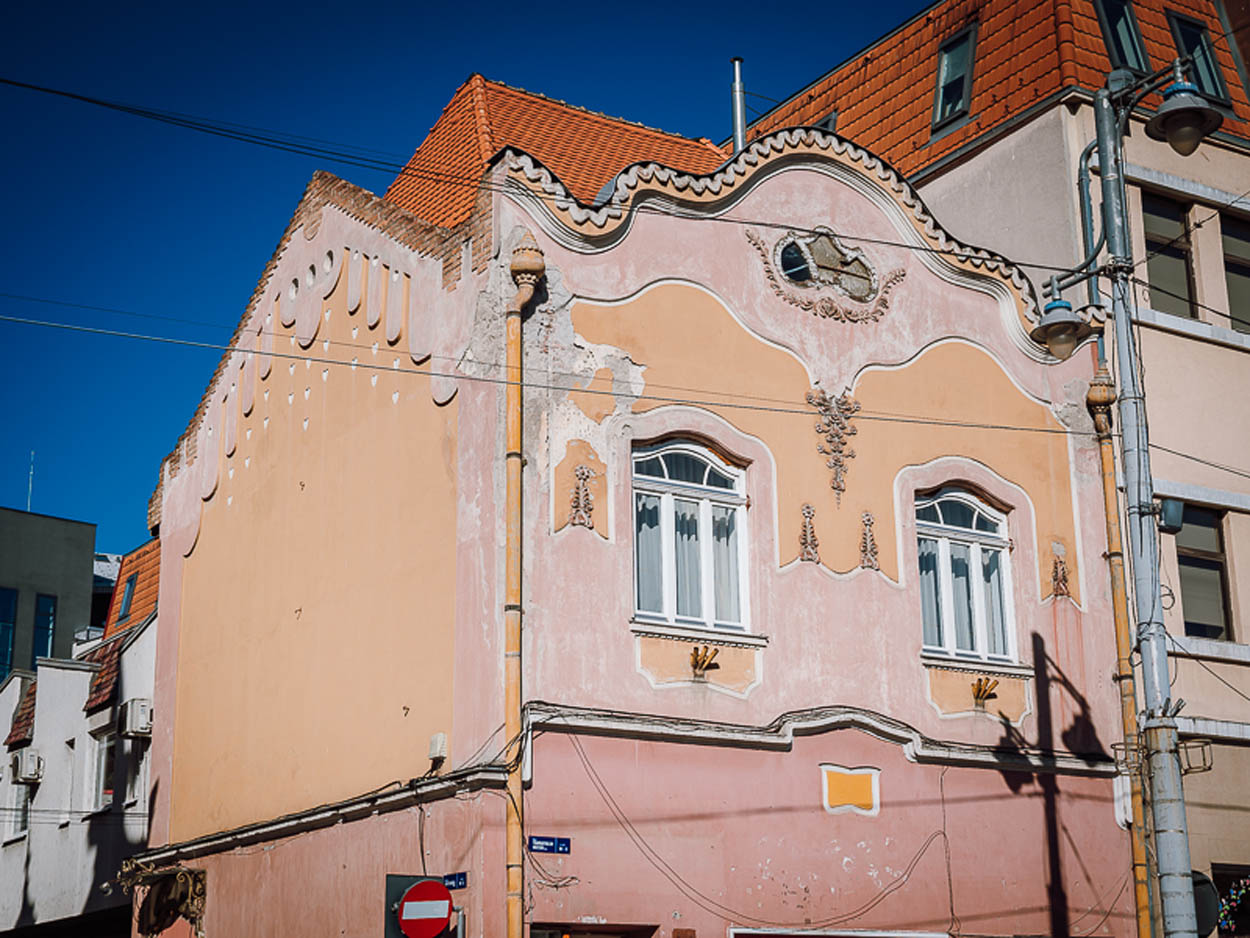
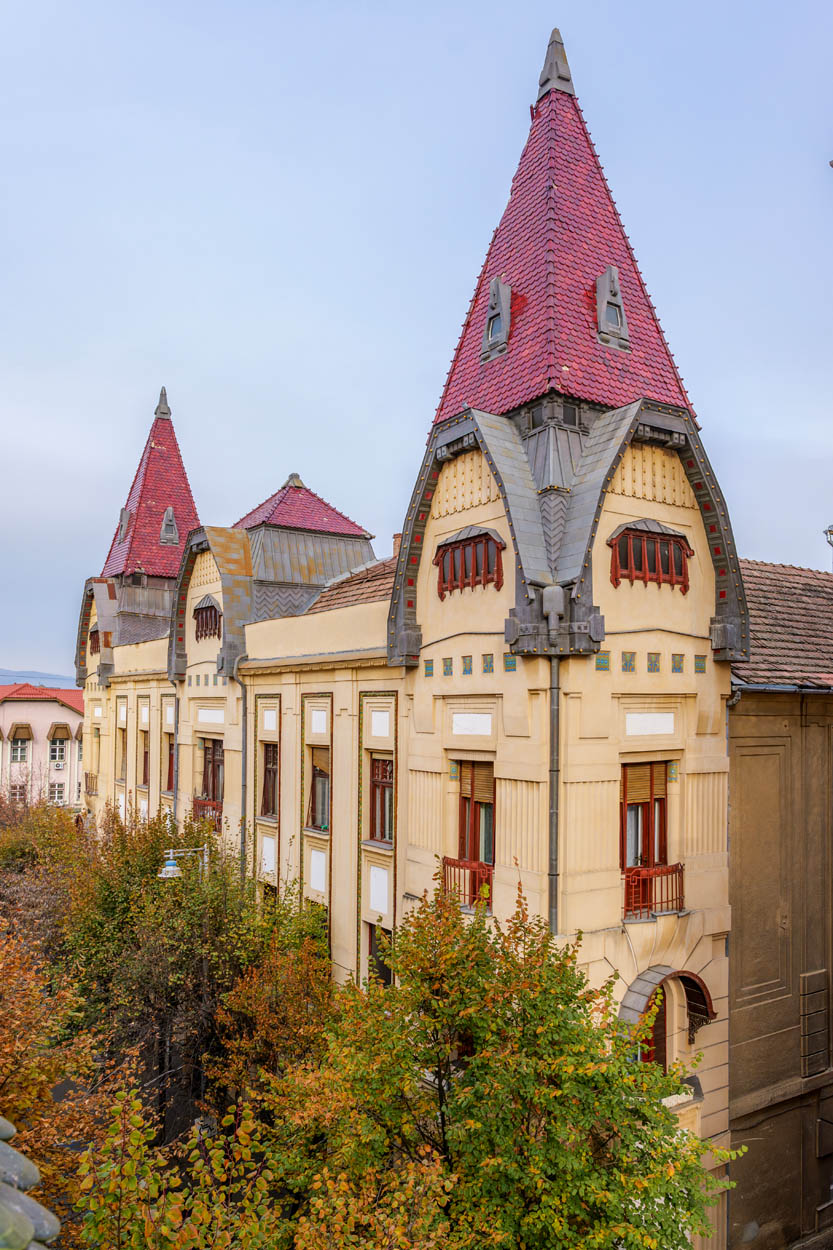
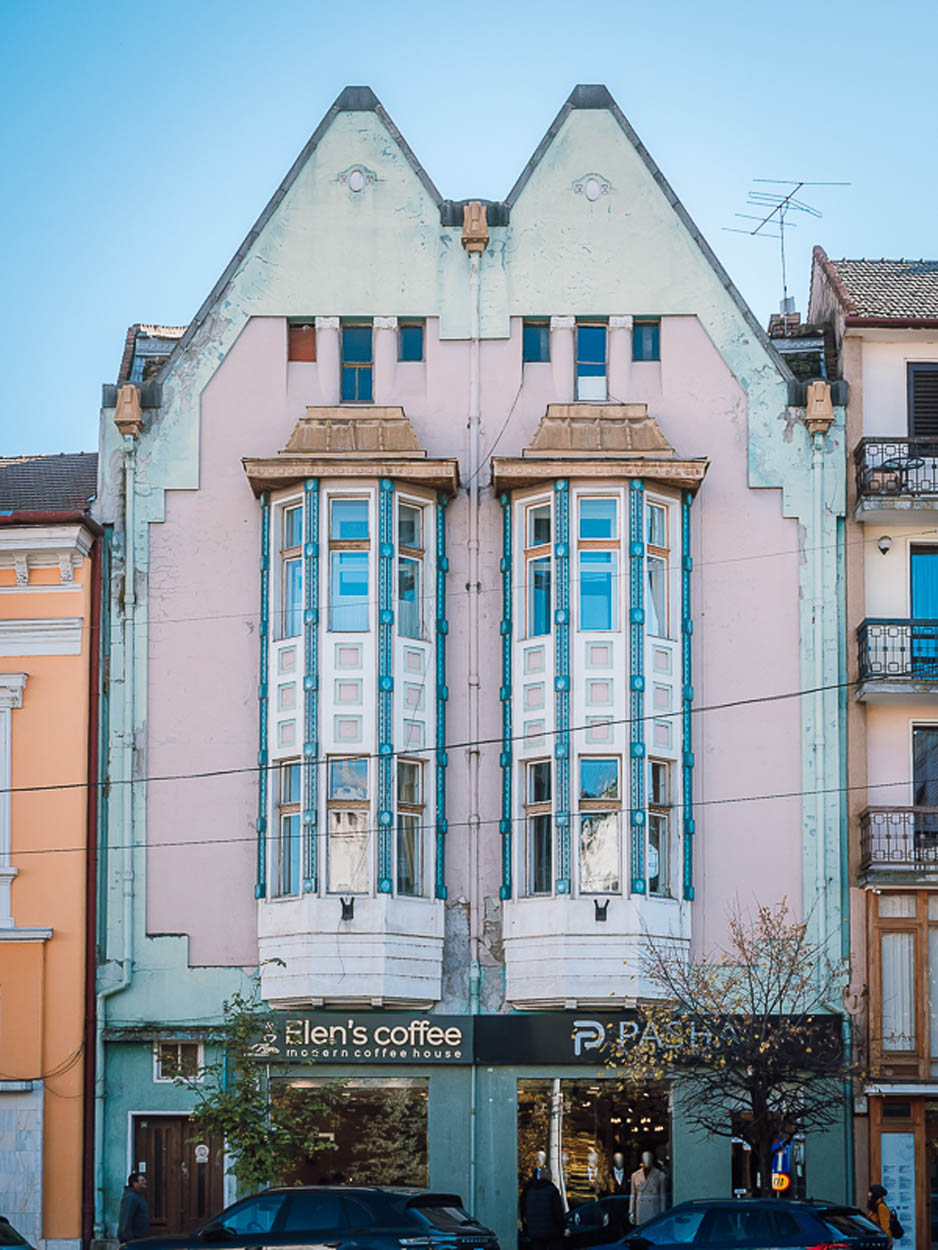
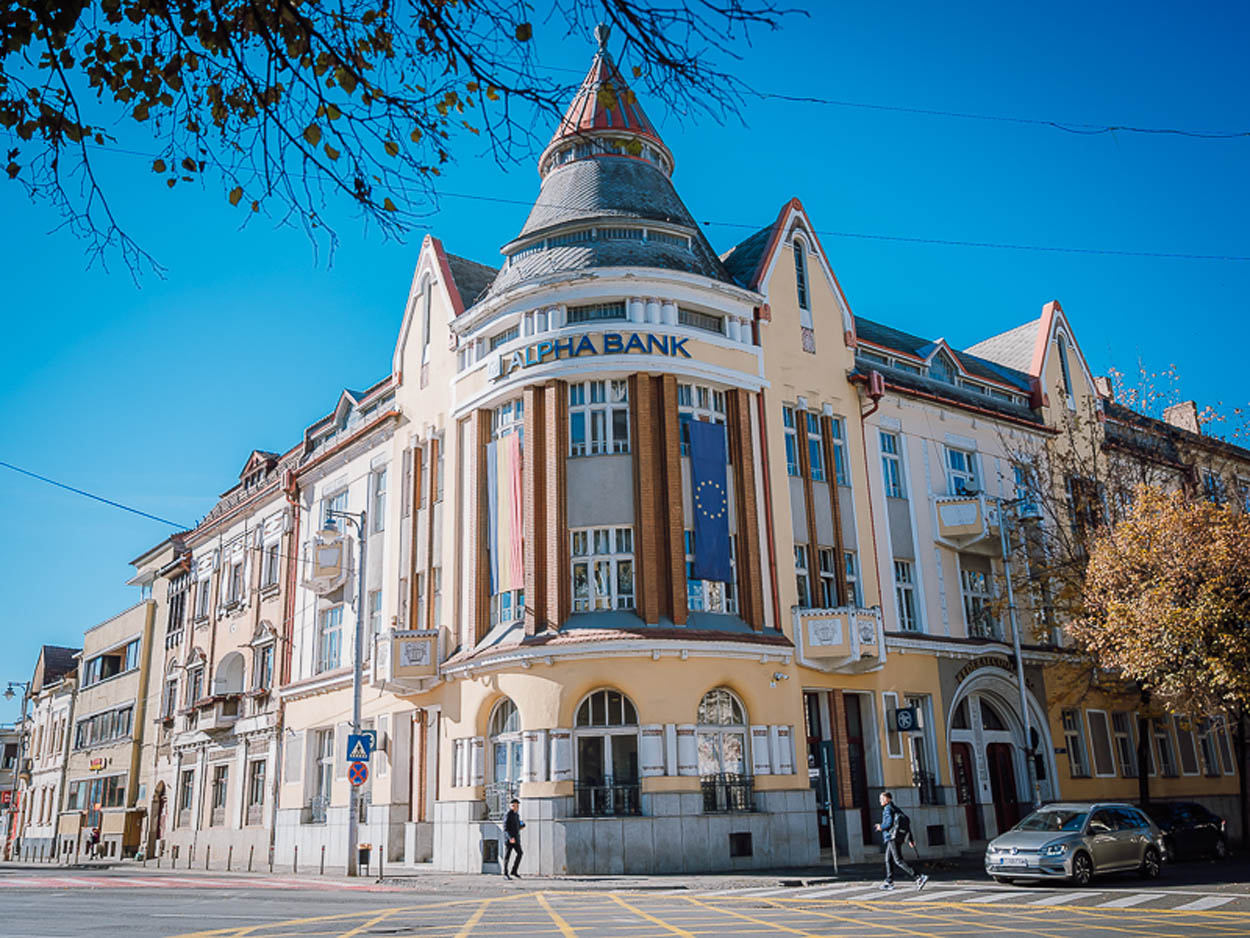
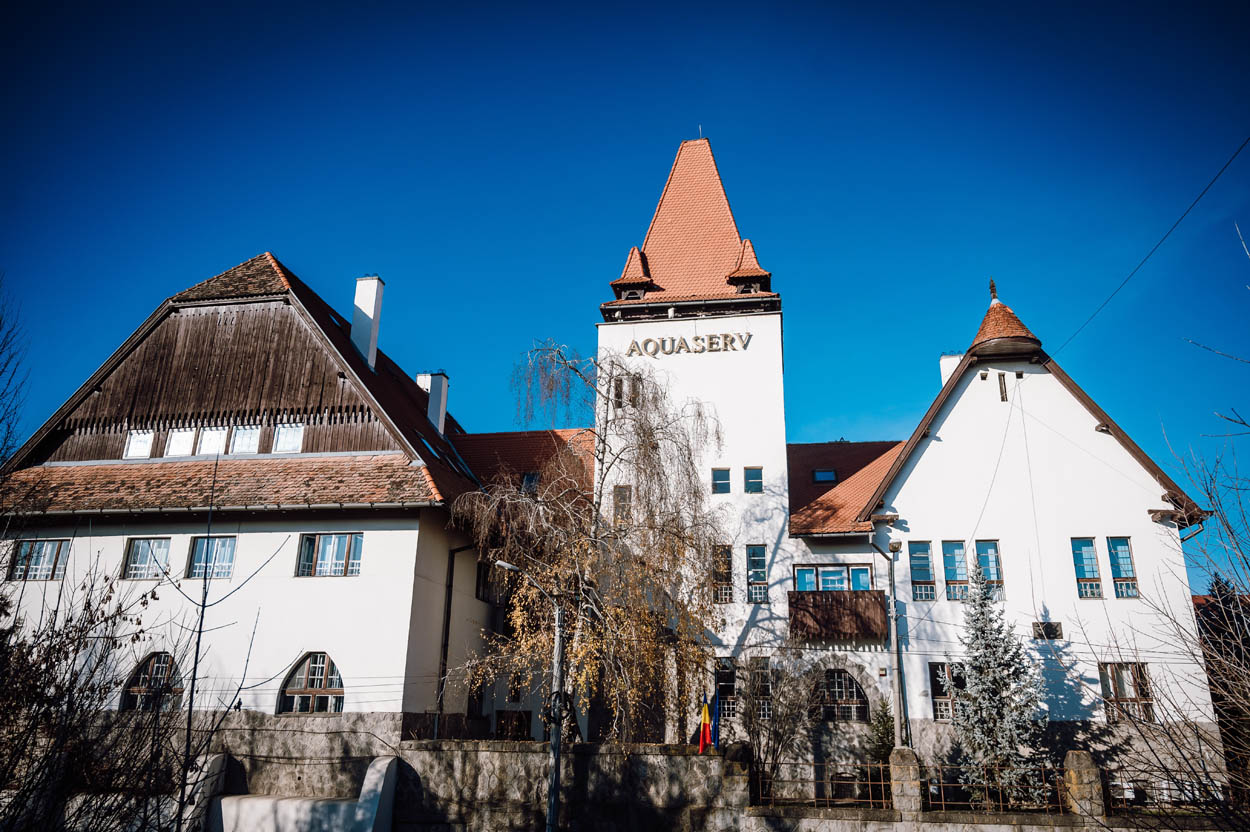
Beyond these landmark public buildings, the residential fabric of Târgu Mureș offers an equally rich testimony to the era. Tenement houses and villas built for the emerging middle classes demonstrate a sophisticated dialogue between structural innovation, skilled craftsmanship, and ornamental invention, in dialogue with contemporary European practice.
Târgu Mureș thus constitutes a key provincial centre of early twentieth-century Central European architecture. The creative collaboration between talented architects and local artisans produced a distinctive urban character — simultaneously modern and deeply rooted in folk traditions — whose legacy continues to define the city’s streets and public life to this day.